In the world of elite British cycling, many athletes contribute quietly yet significantly to the sport’s international success. One such figure is Ellie Dickinson, a talented endurance rider who rose through the ranks of the British Cycling programme and competed at the highest levels of track racing. Known for her strength in team pursuit events and her role within Great Britain’s track cycling squad, she became part of a generation that helped maintain the country’s reputation as a global powerhouse in the sport.
From her early days riding in Cumbria to competing alongside Olympic champions on the international stage, her journey reflects dedication, discipline, and resilience. Although her professional racing career was relatively brief, her achievements remain an important chapter in British cycling during the late 2010s.
Early Life and Background
Growing Up in Cumbria
Ellie Dickinson was born in Carlisle, a historic city in Cumbria in the north-west of England. The region is known for its scenic countryside and strong outdoor sporting culture, making it an ideal place for a young athlete to develop a love for cycling.
Like many successful riders, her interest in cycling began at a grassroots level. Local clubs and youth competitions provided opportunities for young cyclists to learn racing tactics, improve endurance, and gain confidence on the bike. These early experiences helped shape her ambitions and laid the foundation for a professional career.
Early Exposure to Competitive Cycling
During her teenage years, she joined regional cycling teams that supported junior riders aiming to progress into national competition. Training sessions focused on stamina, track awareness, and race strategy. Coaches quickly noticed her potential, particularly her ability to maintain strong pacing over long distances.
The transition from local competitions to national events marked an important step in her development. Competing against stronger riders pushed her to refine her technique and improve her physical conditioning.
Pathway into Elite British Cycling
Joining the British Cycling Development System
The United Kingdom has one of the most structured talent identification systems in cycling. The British Cycling programme scouts promising riders through national championships and youth events before inviting them to join development squads.
Through this pathway, Ellie Dickinson gained access to professional training facilities, expert coaching, and sports science support. These resources helped transform talented young riders into athletes capable of competing internationally.
Training at national level involved intense schedules that combined track sessions, endurance rides, strength conditioning, and tactical preparation. Riders also learned how to perform under pressure, a critical skill for championship racing.
Transition to Professional Competition
As her performances improved, she began competing at higher-profile events and representing Great Britain in international competitions. At this stage, the focus shifted towards endurance track events such as team pursuit and Madison.
The transition to elite racing required not only physical strength but also precise teamwork. Track cycling events often depend on synchronised pacing and strategic coordination between teammates.
Specialisation in Track Cycling
Understanding the Team Pursuit Event
Track cycling includes several disciplines, but the team pursuit is one of the most demanding. In this event, four riders work together to cover a set distance as quickly as possible, rotating positions to share the workload.
Success depends on flawless timing, efficient drafting, and the ability to maintain consistent speed throughout the race. Riders must communicate effectively while maintaining perfect rhythm.
This discipline became one of the areas where Ellie Dickinson demonstrated her strengths.
Training for Endurance Events
Preparing for team pursuit events requires exceptional endurance and precision. Riders typically follow training programmes that include:
- High-intensity interval sessions
- Long endurance rides
- Track drills to improve coordination
- Strength training for sustained power
These elements help cyclists maintain speed over several kilometres while working as part of a cohesive unit.
International Career Highlights
Early Success at International Competitions
One of the most significant milestones in the career of Ellie Dickinson came when she competed in the UCI Track Cycling World Cup. Events like these attract the best cyclists from around the world, making them a major test of an athlete’s ability.
Her participation in international competitions allowed her to gain valuable experience racing against elite opponents. It also strengthened her reputation as a reliable member of Britain’s endurance squad.
European Championship Achievements
European track cycling championships are among the most competitive events in the sport. Riders from across the continent compete for medals in multiple disciplines.
During these championships, Ellie Dickinson contributed to British success in team events, demonstrating the strength and depth of the national programme. British squads consistently performed well during this period, reinforcing the country’s dominance in track cycling.
Competing Alongside Elite Teammates
Being part of the national team meant training and racing with some of the most successful riders in modern cycling. Olympic champions and world medallists often formed the core of the British squad.
Working alongside experienced athletes helped younger riders learn advanced tactics and develop a professional mindset. Team cohesion and shared experience played a major role in Britain’s consistent success at international competitions.
Road Cycling Appearances
Although track cycling remained her main focus, she also competed in road races during her career. Road cycling demands different skills, including climbing ability, pack positioning, and race tactics over longer distances.
Competing in national road championships allowed riders to broaden their experience and improve overall cycling performance. It also demonstrated her versatility as an athlete capable of adapting to different racing formats.
Her strong performances in under-23 road competitions highlighted her potential beyond the velodrome.
The Demands of Professional Cycling
Physical Challenges
Professional cycling is among the most physically demanding sports. Riders must maintain peak fitness throughout the season while managing recovery between competitions.
Daily training often involves several hours on the bike, complemented by gym sessions and nutrition planning. Maintaining such a routine requires discipline and careful attention to physical health.
Mental Strength
Equally important is the mental resilience required to compete at elite level. Athletes must cope with pressure, travel schedules, and the constant pursuit of improvement.
For Ellie Dickinson, the experience of competing internationally provided valuable lessons about perseverance and teamwork.
Life Beyond Competitive Racing
Transition from Professional Sport
Like many athletes, the decision to step away from elite competition eventually arrives. Transitioning out of professional sport can be challenging because athletes must redefine their goals and careers.
After concluding her competitive career, Ellie Dickinson shifted her focus towards new opportunities outside professional racing.
New Directions and Personal Growth
Former athletes often explore roles in coaching, sports development, media, or business. Their experience in high-performance environments provides valuable insight that can benefit the wider sporting community.
While some choose to remain closely connected to cycling, others pursue entirely new professional paths.
Personal Life and Public Attention
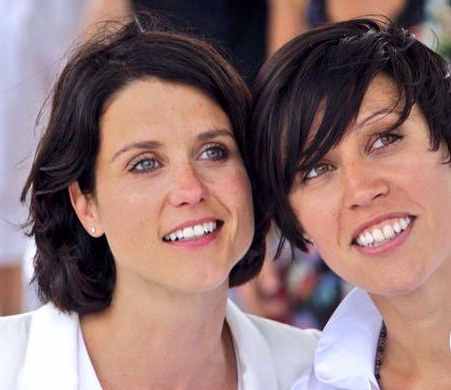
In addition to her sporting achievements, Ellie Dickinson gained public attention through her personal life. She is married to British actress and musician Heather Peace, who is well known for her work in television and theatre.
The couple share a family life that has occasionally attracted media interest. Their openness about personal challenges, including health issues, has helped raise awareness and inspired many supporters.
Balancing public attention with family responsibilities demonstrates another dimension of life beyond elite sport.
The Role of Teamwork in Cycling Success
One of the defining aspects of track cycling is teamwork. Unlike many individual sports, success often depends on the collective performance of the entire squad.
During her time with the national team, Ellie Dickinson contributed to a culture built on trust, communication, and mutual support. Riders train together for countless hours to perfect their pacing and coordination.
This collaborative environment is one reason British track cycling has achieved such consistent international success.
Legacy within British Track Cycling
Although her time in elite competition was relatively short compared with some athletes, Ellie Dickinson remains part of an important era for British cycling. The late 2010s saw continued success for the national team in major championships.
Her participation in international competitions helped maintain Britain’s presence at the top level of the sport. Young riders entering the development system continue to benefit from the pathways and structures that supported athletes like her.
The legacy of that generation lies not only in medals but also in the standards of professionalism and teamwork established within the programme.
FAQs
Who is Ellie Dickinson?
Ellie Dickinson is a British former professional cyclist who represented Great Britain in international track cycling competitions, particularly in endurance events such as team pursuit.
What cycling discipline did Ellie Dickinson specialise in?
She specialised mainly in track cycling endurance events, especially the team pursuit, which requires coordinated teamwork and sustained speed.
Where is Ellie Dickinson from?
Ellie Dickinson was born in Carlisle, Cumbria, England, and began her cycling career through local clubs before progressing to national level.
Did Ellie Dickinson compete in road cycling?
Yes, although track cycling was her main focus, she also participated in road races and performed well in under-23 national competitions.
Is Ellie Dickinson still racing professionally?
No, she stepped away from professional cycling and has since focused on life beyond elite competition.
Conclusion
The story of Ellie Dickinson highlights the dedication required to reach the highest levels of professional cycling. From her early beginnings in Cumbria to competing for Great Britain on the international stage, her journey reflects determination, teamwork, and a passion for sport.