Julia Carling: The Untold Story of a 90s Television Icon and Her Life Beyond the Spotlight

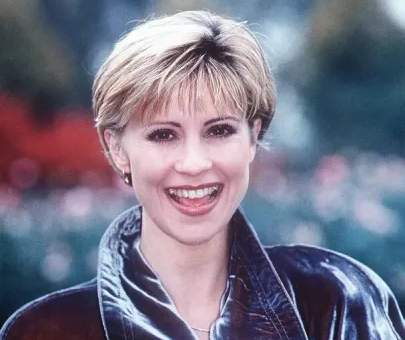
The name Julia Carling carries a quiet familiarity for those who followed British television in the 1990s. She was part of a generation of presenters who brought personality, warmth, and a sense of glamour to a rapidly evolving media landscape. At a time when music channels were booming, breakfast television was redefining entertainment, and celebrity culture was becoming increasingly visible, she found herself at the centre of it all.
Yet, unlike many of her contemporaries, Julia Carling did not remain in the constant glare of publicity. Her journey is not one of relentless fame, but rather of meaningful presence, graceful transition, and a life that moved beyond the studio lights. From her early beginnings to her rise in television, from high-profile relationships to a quieter, more reflective life, her story is both compelling and nuanced.
Early Life and Background
Julia Carling, born Julia Smith on 28 February 1965 in England, grew up in a period of cultural transformation. The late 1960s and 1970s were decades marked by social change, artistic exploration, and the gradual expansion of television as a dominant form of entertainment.
Although not much has been publicly documented about her early family life, it is clear that she developed an early interest in communication, culture, and media. Like many who would later find success in television, she possessed a natural confidence and ease that translated well on screen.
Her education and formative years likely played a significant role in shaping her curiosity and openness to different fields. This would later be reflected not only in her broadcasting career but also in her interest in subjects such as Egyptology, an unusual and intellectually rich pursuit for someone in the entertainment world.
Entering the Media Industry
Julia Carling’s entry into the media industry came at a time when television was expanding rapidly in both content and style. The late 1980s and early 1990s saw the rise of cable channels, music television, and more informal presenting styles.
She began her career in broadcasting by working as a presenter and VJ, particularly on music-focused platforms. Channels such as VH1 offered a blend of music, interviews, and personality-driven hosting, giving presenters like her the opportunity to connect directly with audiences.
Her presenting style was distinctive. She was articulate yet approachable, polished yet natural. These qualities helped her stand out in a competitive environment and opened doors to more prominent roles.
Rise to Prominence in the 1990s
The 1990s proved to be the defining decade for Julia Carling. During this period, she became a familiar face on several well-known British television programmes.
One of the key shows associated with her career is The Big Breakfast. This programme was known for its lively and unconventional approach to morning television. It combined humour, interviews, and spontaneous segments, making it very different from traditional breakfast broadcasts.
Her involvement in such a show demonstrated her versatility. She was not confined to a single format but could adapt to different styles of presenting, whether structured or informal.
She also appeared on Top of the Pops, one of the most iconic music programmes in British history. Being part of this show placed her within the heart of UK pop culture, as it featured the biggest artists and chart-topping songs of the time.
In addition, she contributed to This Morning, a long-running daytime show that covers lifestyle, entertainment, and human-interest stories. This role further broadened her appeal, introducing her to a wider audience beyond music fans.
These appearances collectively established Julia Carling as a respected and recognisable television presenter.
Style and On-Screen Presence
What made Julia Carling stand out was not just the shows she worked on, but how she presented herself on screen.
She had a calm and composed manner that contrasted with the often fast-paced and energetic nature of television at the time. This balance made her relatable to viewers. She did not rely on exaggerated expressions or forced enthusiasm; instead, she communicated with authenticity.
Her fashion and appearance also reflected the trends of the 1990s—elegant yet modern. She became part of a broader visual identity associated with that era of British television, where presenters were both media figures and style influences.
Transition into Journalism and Writing
Beyond television, Julia Carling explored journalism and writing. This transition is significant because it highlights her intellectual curiosity and willingness to evolve professionally.
She contributed to various publications, often focusing on lifestyle topics such as beauty, health, and wellbeing. Her writing demonstrated a thoughtful and informed approach, moving beyond surface-level commentary.
In 2004, she co-authored a book titled Beauty Scoop. This work combined practical advice with insider knowledge from the beauty industry, offering readers a deeper understanding of products, trends, and routines.
Her move into writing suggests that she was not solely defined by her television career. Instead, she sought to build a broader identity that included both media and intellectual pursuits.
Personal Life and Public Attention
Julia Carling’s personal life attracted considerable media attention, particularly during the 1990s. Her relationships with high-profile figures placed her firmly within the public eye.
She was in a long-term relationship with Jeff Beck, one of the most influential guitarists in rock music. Their relationship lasted several years and connected her to the world of music beyond television.
In 1994, she married Will Carling, the former captain of the England rugby team. Their marriage quickly became a subject of intense media scrutiny, reflecting the growing fascination with celebrity relationships at the time.
However, the marriage ended in divorce in 1996, a development that was widely reported in the press. The public nature of their relationship and its conclusion exemplifies the challenges faced by individuals living in the spotlight.
Later, she married Rob Stringer in 2006. This relationship appears to have been more private and stable, marking a shift away from the highly publicised aspects of her earlier personal life.
Life Beyond Television
After her peak years in television, Julia Carling gradually stepped away from the industry. This decision reflects a broader pattern seen among some media figures who choose to prioritise personal fulfilment over continued public exposure.
One of the most intriguing aspects of her later life is her interest in Egyptology. She pursued formal study in this field, earning a diploma from Birkbeck, University of London. This academic achievement demonstrates a commitment to learning and intellectual growth.
Her vegetarian lifestyle also indicates a thoughtful approach to health and ethics, aligning with broader trends in wellbeing and sustainability.
By moving away from the constant demands of television, she created space for a more balanced and reflective life.
Media Landscape and Her Era
To fully appreciate Julia Carling’s career, it is important to understand the media environment of the 1990s.
This was a time when:
- Satellite television was expanding rapidly
- Music channels were becoming highly influential
- Celebrity culture was growing but not yet dominated by social media
- Presenters played a central role in shaping programme identity
Unlike today’s media personalities, who often rely on digital platforms for visibility, presenters of her era were primarily known through television appearances. This made their on-screen presence even more significant.
Julia Carling’s ability to thrive in this environment speaks to her adaptability and professionalism.
Why She Stepped Away from the Spotlight
There are several possible reasons why Julia Carling chose to step back from mainstream television:
- Changing industry dynamics: The rise of reality television and digital media altered the nature of presenting roles.
- Personal priorities: After years in the public eye, a quieter life may have been more appealing.
- Desire for intellectual growth: Her interest in subjects like Egyptology suggests a shift towards academic and personal development.
Rather than fading away, she made a conscious transition into a different phase of life.
Public Image and Legacy
Julia Carling’s legacy is defined by a combination of professionalism, versatility, and discretion.
She is remembered for:
- Her contributions to iconic television programmes
- Her ability to connect with audiences
- Her presence within 1990s British pop culture
- Her graceful transition away from fame
Unlike many celebrities, she did not rely on controversy or constant publicity to maintain relevance. Instead, she built a reputation based on her work and character.
Influence on Future Presenters
Although she may not be frequently discussed today, Julia Carling represents an important generation of presenters who influenced those who came after.
Her approach to presenting—natural, composed, and engaging—remains relevant. Modern presenters often strive for the same balance between professionalism and relatability.
Her career also illustrates the value of diversification. By moving into writing and pursuing academic interests, she demonstrated that a career in media does not have to be limited to one path.
Cultural Significance
Julia Carling’s story is also a reflection of a particular cultural moment in the UK.
The 1990s were characterised by:
- A vibrant music scene
- The rise of lifestyle television
- Increased media coverage of personal lives
- A shift towards more informal broadcasting styles
She was part of this transformation, contributing to the evolution of television as both an entertainment medium and a cultural force.
Lessons from Her Journey
There are several lessons that can be drawn from Julia Carling’s life and career:
- Success does not have to be permanent to be meaningful
- Reinvention is a valuable skill
- Privacy can be a conscious and empowering choice
- Intellectual curiosity can lead to new opportunities
Her journey shows that it is possible to achieve recognition while maintaining personal integrity.
Conclusion
Julia Carling remains a fascinating figure in British media history. Her career captures the spirit of 1990s television, a time of innovation, energy, and cultural change. From her work on popular programmes to her presence within celebrity circles, she played a significant role in shaping the media landscape of her era.
What makes her story particularly compelling is not just her success, but her ability to step away from it. In choosing a quieter, more thoughtful life, she demonstrated a different kind of achievement—one that values balance, growth, and personal fulfilment.