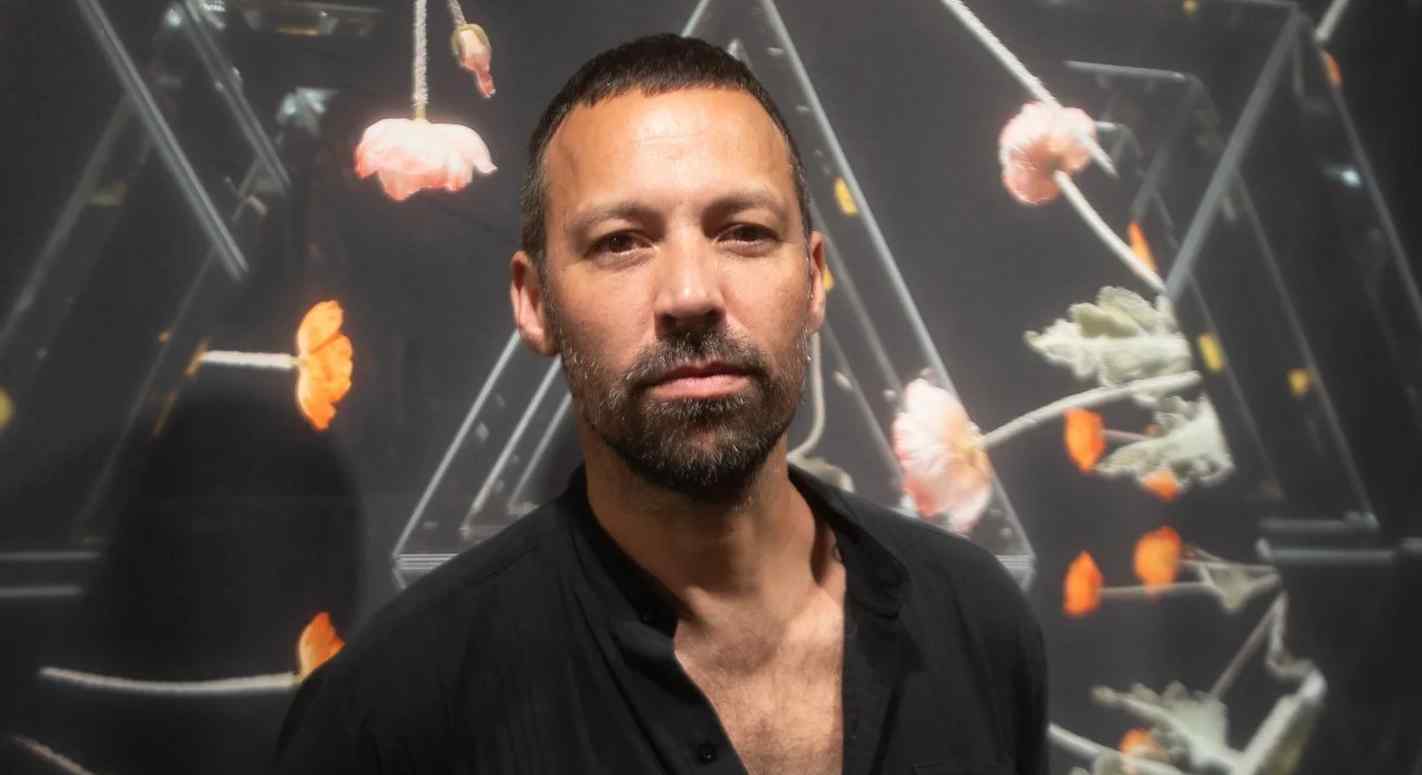
In the contemporary art world, few creators manage to blur the boundaries between imagination and reality as convincingly as Benjy Russell. His work does not rely on heavy digital manipulation or artificial enhancement; instead, it draws its power from real-world techniques that produce otherworldly results. This rare approach has earned him recognition as a distinctive voice in modern visual art.
Benjy Russell is more than a photographer or sculptor—he is a storyteller who constructs visual narratives rooted in identity, emotion, and the natural world. His art speaks to audiences on multiple levels, combining personal experience with universal themes such as grief, resilience, and hope. Through carefully crafted illusions and thoughtful composition, he invites viewers to question what is real and what is imagined.
Early Life and Background
Benjy Russell was born in 1977 in Oklahoma, United States, and grew up in a rural environment that would later become a central influence in his work. His upbringing was closely tied to nature, with wide landscapes, open skies, and a deep connection to the land shaping his early perception of the world.
He is of Choctaw heritage, which plays a meaningful role in his artistic identity. His Indigenous background informs not only the themes he explores but also the way he interprets time, space, and community. These cultural elements are subtly woven into his visual language, creating work that feels both personal and expansive.
Unlike many contemporary artists, Benjy Russell did not follow a traditional academic path in the arts. He is largely self-taught, having developed his skills through experimentation, observation, and hands-on practice. Before fully dedicating himself to art, he worked in construction and carpentry—skills that later became essential in building the physical structures used in his photographic compositions.
The Artistic Philosophy of Benjy Russell
At the core of Benjy Russell’s work lies a belief in creating art that is both tangible and transformative. He seeks to construct images that feel impossible yet are entirely real, achieved through physical setups rather than digital editing.
Reality Without Digital Manipulation
One of the most defining aspects of his work is his commitment to in-camera techniques. Instead of relying on software, he uses mirrors, lighting, sculptures, and carefully arranged environments to produce surreal effects. This method requires patience, precision, and a deep understanding of spatial relationships.
The result is a body of work that feels authentic and immersive. Viewers often find themselves questioning how the images were created, which adds a layer of intrigue and engagement.
Emotional and Personal Storytelling
The work of Benjy Russell is deeply autobiographical. His personal experiences—particularly those involving loss, love, and survival—serve as the foundation for many of his pieces. Rather than presenting these themes in a literal way, he translates them into symbolic and dreamlike imagery.
This approach allows audiences to connect with his work on an emotional level, even if they do not share the same experiences. The universality of his themes makes his art both intimate and accessible.
Indigenous Futurism
Another significant element of his philosophy is the concept of Indigenous futurism. Through this lens, Benjy Russell imagines future worlds that incorporate Indigenous perspectives and values. His work challenges dominant narratives and offers alternative visions of progress, rooted in respect for the environment and community.
Artistic Techniques and Style
The style of Benjy Russell is instantly recognisable, characterised by a blend of surrealism, minimalism, and natural elements. His techniques are as important as the final images themselves.
Use of Physical Illusions
Rather than editing images digitally, he constructs scenes that create illusions within the camera frame. These may involve:
- Strategic placement of mirrors to distort or duplicate reality
- Suspended objects that appear to float
- Sculptural installations integrated into natural landscapes
- Carefully controlled lighting to create depth and contrast
This process often requires multiple attempts and adjustments, making each final image the result of meticulous planning and execution.
Integration of Nature
Nature plays a central role in his compositions. Flowers, plants, soil, and open spaces frequently appear in his work, not merely as background elements but as active participants in the visual narrative.
The natural world in his art is not static; it interacts with the constructed elements, creating a dynamic interplay between the organic and the artificial.
Minimal Yet Impactful Composition
His images often feature simple compositions with a limited number of elements. This minimalism allows each component to stand out and contribute meaningfully to the overall message.
The balance between simplicity and complexity is a hallmark of Benjy Russell’s style, making his work both visually striking and conceptually rich.
Major Works and Exhibitions
Over the years, Benjy Russell has produced a number of notable works and exhibitions that have garnered attention in the art community.
There’s a Poem in My Garden
This exhibition showcased his ability to merge personal narrative with natural imagery. The works explored themes of growth, memory, and transformation, using gardens as both literal and symbolic spaces.
Dark Big Bang
In this series, he delved into cosmic and existential themes, using light and shadow to create images that evoke the origins of the universe. The work reflects his interest in science fiction and philosophical inquiry.
A Cowboy Riding a Beam of Light
This piece exemplifies his unique approach to surrealism. By combining familiar cultural imagery with impossible scenarios, he creates a sense of wonder and curiosity.
Battlefield of Flowers
Here, the contrast between beauty and conflict is explored through vivid floral arrangements and symbolic elements. The work invites viewers to consider the dual nature of life and the coexistence of opposing forces.
His exhibitions have been displayed in various cities, including Nashville, New York, Los Angeles, and international locations such as Berlin and Australia.
Personal Life and Influences
Benjy Russell currently lives in rural Tennessee, where he is part of a creative and intentional community. His surroundings continue to influence his work, providing both inspiration and material for his projects.
His background in construction remains an important aspect of his practice. The ability to build and manipulate physical structures allows him to realise complex ideas without relying on digital tools.
His personal experiences, including loss and resilience, are deeply embedded in his art. Rather than separating life and work, he integrates them, creating pieces that are both reflective and forward-looking.
Impact on Contemporary Art
The contribution of Benjy Russell to contemporary art lies in his ability to challenge conventional methods and expectations.
Redefining Surreal Photography
In an era dominated by digital editing, his commitment to physical techniques offers a refreshing alternative. He demonstrates that it is possible to create compelling and imaginative images without relying on software.
Bridging Disciplines
His work sits at the intersection of photography, sculpture, and performance. This multidisciplinary approach expands the possibilities of visual art and encourages other artists to explore new methods.
Inspiring Authenticity
By prioritising authenticity and craftsmanship, he sets an example for emerging artists. His work emphasises the value of process and the importance of developing a unique voice.
The Emotional Resonance of His Work
One of the reasons Benjy Russell continues to resonate with audiences is the emotional depth of his work. Each piece carries a sense of vulnerability and honesty that is often missing in purely conceptual art.
His use of symbolism allows viewers to interpret the images in their own way, creating a personal connection. Whether it is a floating object, a mirrored landscape, or a carefully arranged garden, each element contributes to a larger narrative about human experience.
Challenges and Artistic Commitment
Creating art using physical techniques presents its own set of challenges. It requires time, resources, and a willingness to experiment and fail.
Benjy Russell embraces these challenges as part of the creative process. The imperfections and unpredictability of physical setups often lead to unexpected results, which can enhance the final work.
His dedication to this method reflects a broader commitment to authenticity and innovation, qualities that define his artistic identity.
Future Directions
As his career continues to evolve, there is a growing interest in how Benjy Russell will expand his practice. Potential directions include larger installations, collaborative projects, and further exploration of Indigenous futurism.
His work suggests a continuous search for new ways to express complex ideas, ensuring that his art remains relevant and engaging.
FAQs
Who is Benjy Russell?
Benjy Russell is a contemporary American artist known for creating surreal photographic images using real-world techniques rather than digital editing.
What makes his work unique?
His commitment to in-camera effects and physical construction sets him apart from many modern artists who rely heavily on digital manipulation.
What themes does he explore?
His work often explores identity, nature, grief, and future possibilities, particularly through the lens of Indigenous perspectives.
Where has his work been exhibited?
His exhibitions have been shown in major cities such as Nashville, New York, Los Angeles, and internationally in places like Berlin and Australia.
Does he use Photoshop in his art?
No, he primarily creates his images using physical setups and captures them directly through the camera.
Conclusion
Benjy Russell stands as a remarkable figure in contemporary art, not only for his technical skill but also for his ability to tell deeply human stories through visual means. His work challenges viewers to reconsider the boundaries of reality while offering glimpses into imagined futures shaped by empathy and connection.
Through a combination of craftsmanship, cultural influence, and emotional depth, he has created a body of work that is both innovative and meaningful. As the art world continues to evolve, his approach serves as a reminder that creativity does not depend on technology alone, but on vision, dedication, and the courage to see the world differently.