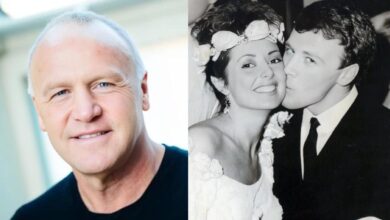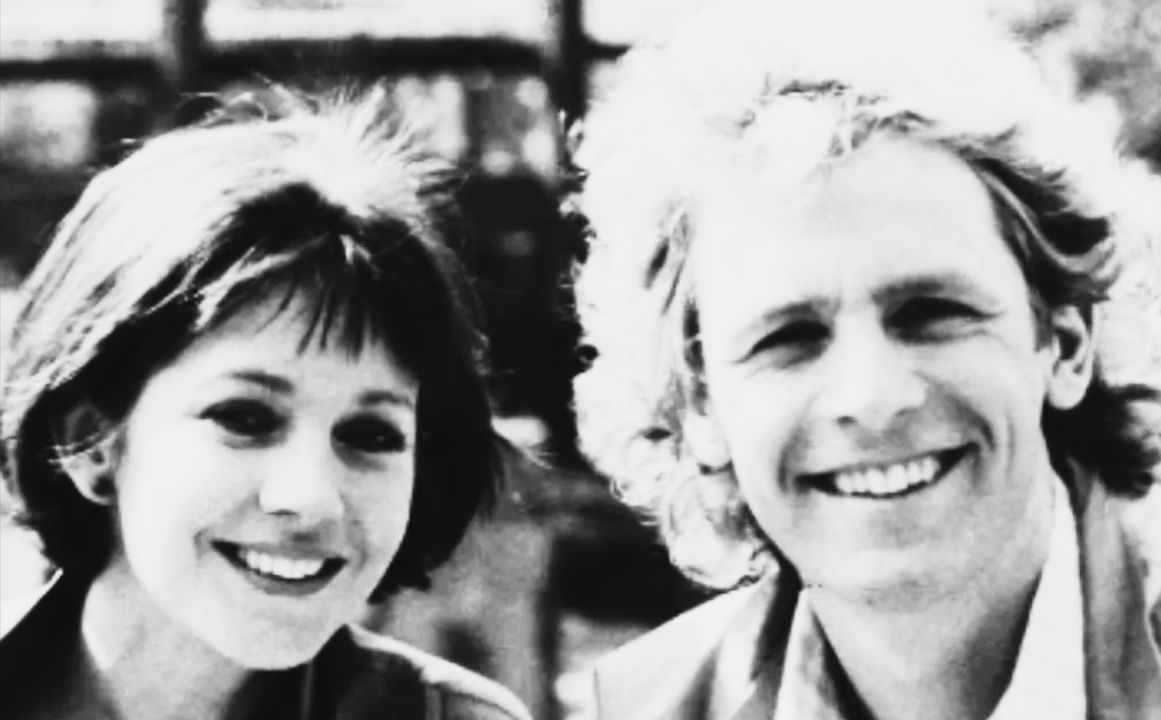
Many individuals appear briefly in public history because of their connection to well-known personalities, yet their own stories remain largely untold. Susan Beuselinck is one such figure whose life occasionally surfaces in discussions about British entertainment history. Though she never pursued fame herself, her name is remembered because of her association with the early personal life of actor and singer Paul Nicholas.
Despite the limited public record, the story of Susan Beuselinck offers an interesting glimpse into a quieter side of life connected to the entertainment industry of the 1960s. Her life reflects the experience of someone who lived largely outside the spotlight during a time when Britain was undergoing rapid cultural and social change.
Early Life and Background
The early life of Susan Beuselinck remains largely undocumented in public records, which is not unusual for individuals who did not pursue careers in the public eye. Unlike celebrities whose biographies are widely recorded, people who lived more privately often leave behind only scattered references in historical sources.
What can be understood from the limited available information is that she lived during a particularly transformative period in British history. The post-war decades of the 1950s and 1960s saw sweeping cultural changes across the United Kingdom. Popular music, theatre, and television were expanding rapidly, creating new opportunities in the entertainment industry.
While many biographies mention her only in connection with Paul Nicholas, it is reasonable to assume that her upbringing took place within the cultural atmosphere of mid-twentieth-century Britain. During that era, social expectations around family life, marriage, and careers were quite different from today, particularly for women.
People connected to entertainers often experienced a life balancing private family responsibilities with the growing public attention surrounding their partners.
The Cultural Landscape of Britain in the 1960s
To better understand the life of Susan Beuselinck, it helps to look at the wider context of the 1960s in Britain. This decade is widely remembered as a time of dramatic social and cultural transformation.
London became a global centre for music, fashion, and artistic experimentation. Bands such as The Beatles and The Rolling Stones were reshaping popular culture, while television and theatre were attracting larger audiences than ever before.
For those connected to performers, life could involve a mixture of excitement and uncertainty. The entertainment industry offered opportunities but also demanded long hours, travel, and public attention.
Living alongside someone building a career in this environment could bring both challenges and unique experiences.
Marriage to Paul Nicholas
One of the main reasons the name Susan Beuselinck appears in historical references is her marriage to English actor and singer Paul Nicholas. The couple married during the mid-1960s, when Nicholas was beginning to build his career in music and acting.
At that stage, his career had not yet reached the level of recognition that would later come through television roles, stage performances, and chart-topping songs. Like many young couples of that era, they began their life together while navigating professional ambitions and personal responsibilities.
Marriage during this period was typically seen as a lifelong commitment, but the pressures associated with rising fame and demanding work schedules could create difficulties. Relationships connected to the entertainment world were often placed under unusual strains.
Even so, the union between Nicholas and Susan Beuselinck represented an important chapter in the early life of the actor before his later success.
Family Life and Children
Family life became a central part of the story connected with Susan Beuselinck. During her marriage, she became the mother of two children, Natasha and Oscar.
Raising children while connected to the entertainment industry can present unique challenges. Actors and musicians often spend long periods travelling or performing, which can affect the rhythm of family life. For many partners of performers, maintaining stability at home becomes an important role.
Although little detailed information exists about daily life within the household, it is clear that motherhood formed a significant part of her life. The experience of raising children while living alongside a developing entertainment career would have required patience, flexibility, and resilience.
Like many families of the time, the balance between work and home life would have been an ongoing consideration.
The End of the Marriage
Not all relationships last forever, particularly when careers and personal ambitions begin to change. The marriage involving Susan Beuselinck eventually ended after only a few years.
Divorce during the late 1960s and early 1970s was becoming more common in Britain, though it still carried a certain social stigma compared with modern attitudes. The pressures of professional commitments, changing lifestyles, and personal differences often contributed to the breakdown of relationships connected to the entertainment world.
Following the separation, the lives of both individuals continued on different paths. Paul Nicholas went on to build a successful career in theatre, television, and music, while she returned to a more private life away from public attention.
The decision to remain outside the spotlight meant that little information about her later years entered the public record.
Life Outside the Spotlight
Many people associated with celebrities eventually choose to live quietly, avoiding the publicity that comes with fame. This appears to have been the case for Susan Beuselinck, whose later life remains largely private.
Living outside the media spotlight can provide a sense of normalcy that public figures often struggle to maintain. Without constant attention from the press, individuals can focus on family, personal interests, and everyday life.
For historians and biographers, however, this privacy means that details about such individuals are often limited. The lack of public documentation should not be mistaken for a lack of importance; it simply reflects a different way of living.
In many cases, those who remain private prefer not to have their lives examined by the media or the public.
The Importance of Private Figures in Public Stories
The story of Susan Beuselinck highlights an interesting aspect of historical storytelling. While public figures dominate headlines and biographies, many important people in their lives remain largely invisible to the wider world.
Behind every well-known entertainer, there are often family members, partners, and friends who play significant roles in shaping their personal journeys. These individuals contribute emotional support, stability, and encouragement during formative years.
Although their names may appear only briefly in biographies, their influence can still be meaningful.
Understanding these quieter stories helps paint a more complete picture of the social and personal environment surrounding public figures.
Changing Perspectives on Fame and Privacy
Modern society views fame differently from earlier decades. Today, social media platforms allow many people to share personal details publicly, sometimes blurring the line between private and public life.
During the 1960s and 1970s, however, maintaining privacy was often easier. The media landscape was smaller, and many people connected to celebrities could continue living normal lives without constant public attention.
This difference explains why information about Susan Beuselinck remains limited. Without modern digital records or social media documentation, many personal stories from earlier generations remain only partially recorded.
Nevertheless, these glimpses into the past still offer valuable insights into the lives of those connected to cultural history.
Remembering a Quiet Chapter of Entertainment History
Although she never sought fame, the life of Susan Beuselinck forms a small but noteworthy chapter within British entertainment history. Her story is intertwined with the early life of a performer who later achieved recognition in theatre, television, and music.
For researchers and readers interested in the personal histories behind public figures, such stories provide a reminder that celebrity biographies are rarely just about one individual. They involve families, relationships, and personal experiences that shape the course of a career.
Even when information is limited, acknowledging these individuals helps create a fuller understanding of historical narratives.
Frequently Asked Questions
Who was Susan Beuselinck?
Susan Beuselinck is remembered primarily as the first wife of English actor and singer Paul Nicholas. She lived a largely private life and did not pursue a public career in entertainment.
Did Susan Beuselinck have children?
Yes, she had two children during her marriage: Natasha Nicholas and Oscar Nicholas.
Why is Susan Beuselinck mentioned in entertainment history?
Her name appears in biographies and articles about Paul Nicholas because she was part of his early personal life before his rise to greater fame in television, theatre, and music.
What happened after her marriage ended?
After the end of the marriage, she lived a more private life away from media attention, and very little information about her later years is publicly available.
Why is there limited information about her life?
Unlike celebrities, many individuals connected to public figures choose to live privately. As a result, historical records about them are often scarce.
Conclusion
The story of Susan Beuselinck demonstrates how many people connected to famous personalities remain largely unknown despite playing important roles in their personal histories. Although she never lived in the public spotlight, her life forms a quiet part of the broader narrative surrounding British entertainment during the mid-twentieth century.