If you’ve ever typed “best arroz con leche boliviano near me” into your phone while standing in a parking lot, hungry and hopeful, you already know the struggle. You’re not just looking for any rice pudding. You’re looking for that one — the warm, cinnamon-laced, milky bowl of comfort that tastes like a Bolivian grandmother made it from memory. I’ve spent a good chunk of my life chasing that exact bowl across kitchens, markets, and tiny family-run spots, and I want to save you some of the guesswork. This guide walks you through what makes this dessert worth hunting down, how to actually find a great version near you, and what to do when the search comes up empty.
What Exactly Is Arroz con Leche Boliviano?
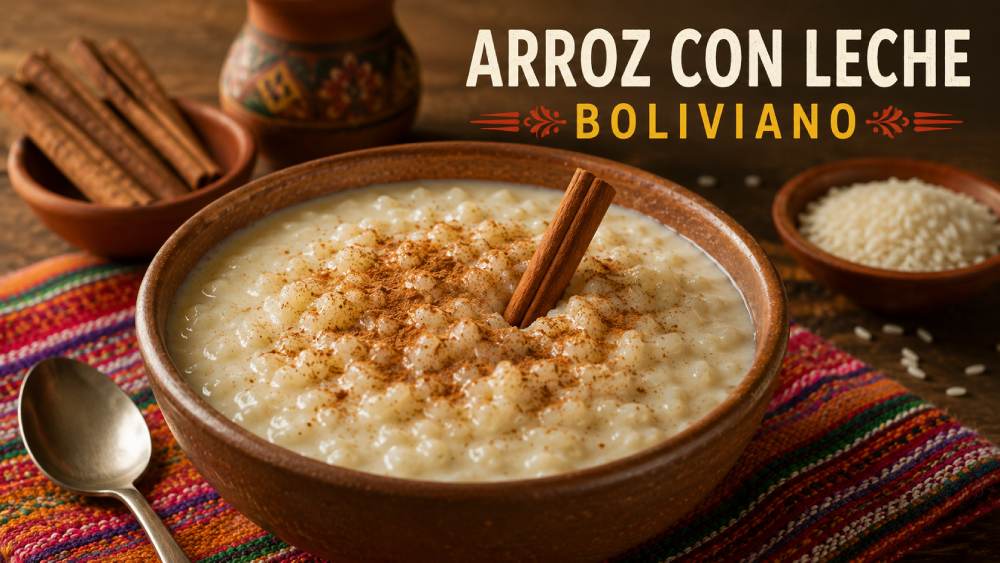
At its heart, arroz con leche is rice slowly simmered in milk until it turns thick, soft, and almost spoon-clingy, then sweetened and perfumed with cinnamon. The Bolivian version takes that simple foundation and gives it a personality all its own. It tends to be richer and creamier than many of its cousins, often leaning on canela (cinnamon sticks rather than ground powder) and sometimes a splash of evaporated or condensed milk to deepen the body. The result is a dessert that feels both humble and indulgent at the same time. It’s the kind of thing that shows up at family gatherings, gets sold from steaming pots at street corners, and somehow tastes a little better when someone else made it for you.
The Story Behind This Beloved Bolivian Dessert
Like a lot of great food, this Bolivian dessert is the product of centuries of mixing and migration. Rice and the technique of cooking it in sweetened milk traveled with Spanish colonizers, who themselves had inherited the idea from the Moors of North Africa and the broader Mediterranean. Once it landed in Bolivia, local cooks made it their own, adapting it to the ingredients and tastes of the Andes. Over generations it became woven into everyday life — a treat for festivals, a reward after a long day, a recipe passed down without anyone writing it down. When you eat a really good bowl, you’re tasting a little slice of that long, tangled history, which is part of what makes seeking out an authentic version so satisfying.
What Sets It Apart from Other Latin Rice Pudding
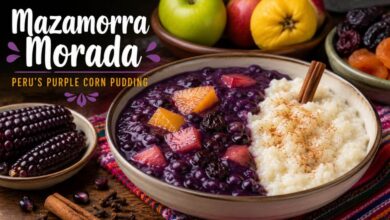
Every country in Latin America seems to have its own take on rice pudding, and the differences are real even if they look similar in the bowl. Mexican versions often go heavy on raisins and a thinner, drinkable consistency. Peruvian arroz con leche frequently gets paired with purple corn pudding for that famous two-tone “clásico” dessert. The Bolivian style, by comparison, usually aims for a thicker, creamier texture with a pronounced cinnamon warmth and a balanced sweetness that doesn’t tip into cloying. When you compare Latin rice pudding side by side, the Bolivian one tends to feel the most like a cozy hug — substantial, comforting, and not trying to be fancy. That distinct character is exactly why “best arroz con leche boliviano” is a different search than just “rice pudding,” and why it pays to know what you’re actually looking for.
Searching “Arroz Con Leche Near Me”: How to Actually Find the Good Stuff
Here’s the honest truth about typing “arroz con leche near me” into a map app: the results can be hit or miss, especially if you don’t live in a city with a large Bolivian or broader Latin American community. The dessert is often hiding rather than headlining. It might not appear on a restaurant’s main menu, or it might be listed under a generic “desserts” tab that search engines don’t index well. So instead of relying only on the obvious search, broaden your net. Look for Bolivian restaurants, South American bakeries, Latin American grocery stores with hot-food counters, and weekend cultural markets. Those are the places where a genuinely great bowl tends to live, even when the algorithm doesn’t point you straight to it.
Smart Ways to Track Down the Best Arroz Con Leche Boliviano
When the standard search falls short, get a little creative with your approach. Try searching for “Bolivian restaurant” or “Bolivian bakery” plus your city, then check their photos and reviews for any mention of dessert. Community Facebook groups and local Latin American cultural associations are goldmines, because someone in there always knows the auntie who makes the best version in town. Don’t underestimate food trucks and pop-ups either, since many of the best Bolivian desserts come out of small, mobile operations rather than brick-and-mortar restaurants. And if you find a Bolivian spot that doesn’t list it, just ask — plenty of kitchens make traditional rice pudding on request or keep a pot going that never made it onto the printed menu.
What to Look For in a Truly Great Bowl
Once you’ve found a candidate, you’ll want to judge it like someone who knows. The texture should be creamy and cohesive but not gluey or dried out — the rice grains should still have a tender bite, not dissolve into mush. The aroma should hit you with real cinnamon, warm and fragrant rather than flat or artificial. Sweetness should be present but balanced, letting the dairy and spice come through instead of drowning everything in sugar. A great version often has a slight skin or richness on top that tells you it was cooked slowly and with care. If it tastes like it came from a box mix, you’ll know immediately, and you’ll know to keep looking for the real deal.
Where You’re Most Likely to Find It
In cities with established Bolivian communities — think parts of Virginia, the Washington D.C. metro area, and pockets of cities like Buenos Aires, São Paulo, and Madrid abroad — you’ll have a genuine shot at finding it on menus. Bolivian restaurants are the obvious first stop, but South American panaderías (bakeries) frequently sell it by the cup, ready to grab and go. Cultural festivals and church-organized food fairs are another reliable source, often featuring home cooks who make it the traditional way. And in some areas, Latin American grocery stores keep a small prepared-foods section where this Bolivian dessert quietly waits in the refrigerator case. The key is knowing that the best versions are often community-rooted rather than commercially advertised.
Can’t Find It Nearby? Here’s the Good News
If your “near me” search keeps coming up empty, don’t lose heart, because this is one of the most forgiving desserts you can make at home. The ingredient list is short, the equipment is just a pot and a spoon, and the technique is mostly about patience. Making your own also means you get to dial in the texture and sweetness exactly the way you like it, which is honestly a luxury that even the best restaurant version can’t offer. Once you’ve made a good batch yourself, you’ll understand the dessert on a deeper level, and you’ll be an even tougher critic the next time you’re sampling someone else’s. Think of homemade as both a backup plan and an education.
The Ingredients That Actually Matter
You only need a handful of things, but quality and proportion make all the difference. Start with a medium or short-grain white rice, since it releases more starch and gives you that signature creaminess that long-grain rice can’t quite match. Whole milk is non-negotiable for richness, and many Bolivian cooks add evaporated milk, condensed milk, or both for extra body and a caramel-like depth. Cinnamon sticks beat ground cinnamon for a cleaner, more aromatic infusion, and a strip of lemon or orange peel adds a subtle brightness that keeps the whole thing from feeling heavy. Sugar to taste, a pinch of salt to sharpen the flavors, and sometimes a touch of vanilla round it out. That’s genuinely it — simple ingredients treated with respect.
A Simple Approach to Making It at Home
The method is straightforward if you don’t rush it. Rinse your rice, then simmer it gently in water with a cinnamon stick and a piece of citrus peel until the grains start to soften. Once most of that water is absorbed, you begin adding milk in stages, stirring often and letting it cook low and slow so the starch has time to work its magic. As the mixture thickens, you stir in your sweetened milks and sugar, tasting as you go, until it reaches that luscious, spoon-coating consistency. The whole thing usually takes somewhere between thirty and forty-five minutes of mostly relaxed attention. You can serve it warm right away or chill it, dusting the top with a little ground cinnamon either way. It will thicken more as it cools, so pull it off the heat while it still looks slightly loose.
Common Mistakes People Make (and How to Dodge Them)
The biggest mistake is impatience — cranking the heat too high to speed things up, which scorches the milk on the bottom and leaves you with a burnt, grainy mess. Slow and low always wins. Another common error is using the wrong rice; long-grain or parboiled rice simply won’t give you the creamy texture you’re after. People also tend to over-sweeten, forgetting that condensed milk already brings a lot of sugar to the party, so taste before you keep pouring. Skipping the stir is another pitfall, since rice and milk both love to stick and clump if you walk away for too long. Finally, don’t over-reduce it on the stove, because what looks perfect in the pot can turn into a stiff paste once it cools in the fridge.
Pairing and Serving Ideas to Level It Up
While a classic bowl with a dusting of cinnamon is hard to beat, there’s room to play. A small drizzle of dulce de leche on top adds a decadent caramel layer that pairs beautifully with the spiced rice. Some people love a handful of toasted nuts or a few raisins for texture and contrast, though purists may raise an eyebrow. It’s lovely alongside a strong coffee or a cup of mate de coca if you’re going for an Andean vibe. Serving it warm on a cold evening feels like the most comforting thing in the world, while a chilled version on a hot afternoon is refreshing in its own quiet way. However you serve this traditional rice pudding, a final sprinkle of cinnamon right before eating makes the aroma pop and signals that something good is about to happen.
Why Bolivian Desserts Deserve More of Your Attention
Arroz con leche is a brilliant gateway, but it’s really just the beginning of a much wider world. Bolivian desserts as a whole are wonderfully diverse and criminally underrated outside the country. There’s sopaipillas drizzled with syrup, the flaky pastry sweetness of empanadas filled with fruit, helado de canela (a cinnamon ice that’s basically the frozen cousin of our beloved rice pudding), and rich, fudgy treats made from local ingredients you won’t find anywhere else. If you’ve gone to the trouble of hunting down a great bowl of arroz con leche boliviano, consider it your invitation to explore further. Once you start paying attention to this corner of Latin American cooking, you realize how much flavor and tradition has been flying under the radar all along.
How to Tell If a Spot Is Worth Returning To
After you’ve tried a place, a few signals tell you whether it earns a permanent spot in your rotation. Consistency is huge — a great bowl one week and a mediocre one the next usually means the recipe lives with a specific cook rather than the kitchen as a whole. Freshness matters too, since this is a dessert that genuinely tastes best within a day or two of being made. Pay attention to whether the cinnamon flavor feels real and layered or like an afterthought, and notice if the texture holds up or breaks down by the time you get to the bottom of the cup. The best places treat this humble dessert with the same care they’d give a showpiece, and you can taste that respect in every spoonful. When you find one like that, hold onto it and tell your friends.
FAQs
Where can I find the best arroz con leche boliviano near me?
Your best bets are Bolivian restaurants, South American bakeries, Latin grocery stores with hot-food counters, and weekend cultural markets. Since it’s often unlisted, call ahead or simply ask — many kitchens make it on request even when it isn’t on the menu.
What makes Bolivian arroz con leche different from other versions?
The Bolivian style is typically thicker and creamier, with a strong cinnamon-stick warmth and often a splash of evaporated or condensed milk for extra body. It’s less raisin-heavy and more balanced in sweetness than many other Latin rice pudding styles.
Is arroz con leche boliviano hard to make at home?
Not at all. It needs just a few ingredients — short-grain rice, whole milk, cinnamon sticks, sugar, and citrus peel — plus a pot and some patience. Cooking it low and slow while stirring is the only real “skill” involved, and it’s very forgiving.
Should arroz con leche be served warm or cold?
Both work beautifully. Warm is the ultimate comfort on a cold evening, while chilled is refreshing in summer. It thickens as it cools, so pull it off the heat while it still looks slightly loose, then dust with cinnamon right before serving.
Can I order arroz con leche boliviano for delivery?
In cities with Bolivian communities, yes — check delivery apps under “Bolivian” or “South American” restaurants rather than searching the dessert directly. For everywhere else, homemade is usually faster and tastier than waiting on a hard-to-find delivery.
Conclusion
Searching for the “best arroz con leche boliviano near me” is really a search for comfort, tradition, and a little piece of Bolivian home cooking — and it’s a search worth taking seriously. Whether you strike gold at a neighborhood Bolivian restaurant, stumble onto a weekend market vendor with a steaming pot, or end up making your own batch at the stove, the reward is the same: a warm, creamy, cinnamon-kissed bowl that has been bringing people joy for generations. Don’t be discouraged if the obvious searches don’t deliver right away, because the best versions of this Latin rice pudding are often tucked away in community spots that the algorithms haven’t caught up with yet. Keep asking around, stay curious, and when you finally find that perfect bowl, savor it slowly. And if all else fails, you now know enough to make a version at home that just might become the one everyone else is searching for.