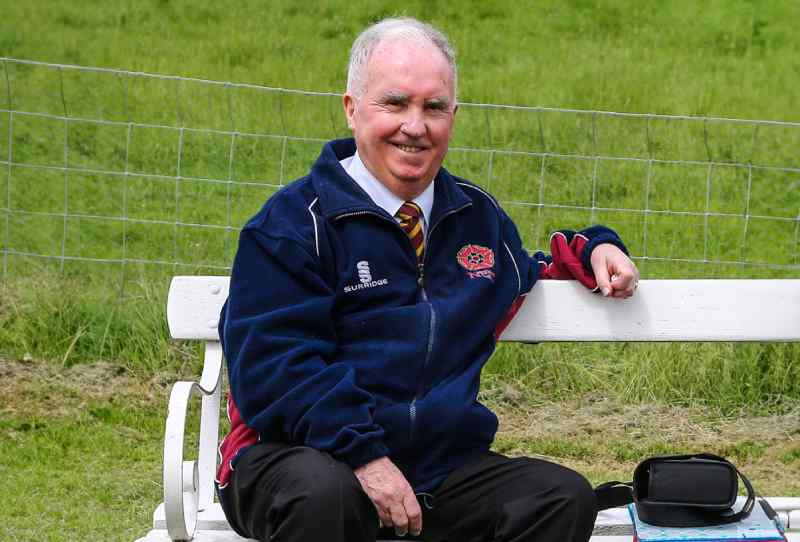
Tony Kingston is a name that quietly echoes through certain corners of British aviation history. While he may not be widely recognised alongside legendary Royal Air Force figures or commercial aviation pioneers, the story of Tony Kingston carries a unique charm—one rooted in youthful ambition, early achievement, and the realities of a highly demanding profession. His journey reflects both the excitement of early aviation dreams and the discipline required to pursue a career in flying.
Early Life and Fascination with Flight
Tony Kingston’s interest in aviation began at a remarkably young age. Growing up in the United Kingdom during a period when aviation still carried a sense of wonder and prestige, he developed a fascination with aircraft that went beyond casual curiosity. This was an era when flight symbolised progress, courage, and technical mastery.
Unlike many young enthusiasts who simply admired planes from afar, Tony Kingston actively pursued his passion. While still a teenager, he began learning to fly—an achievement that required not only dedication but also access to resources and proper instruction. Aviation training at such a young age was rare, and his early start already set him apart from his peers.
One of the most notable milestones in Tony Kingston’s early life was obtaining his pilot’s licence shortly after turning 17. At the time, this accomplishment placed him among the youngest licensed pilots in the country. This achievement was not just symbolic; it demonstrated a high level of discipline, coordination, and technical understanding.
First Experiences in the Cockpit
Tony Kingston’s early flying experience involved light aircraft, including the iconic de Havilland Tiger Moth. This aircraft was widely used in Britain for training purposes and played a significant role in shaping generations of pilots.
Flying a Tiger Moth required skill and confidence. It was not a forgiving aircraft by modern standards, lacking many of the automated systems found in contemporary planes. Pilots had to rely heavily on manual control, spatial awareness, and an understanding of weather conditions.
For Tony Kingston, flying over the English countryside—particularly regions such as Surrey and the North Downs—was both a learning experience and a personal passion. These early flights were crucial in developing his instincts as a pilot. They also reinforced his desire to pursue aviation professionally.
Entry into RAF Cranwell
Tony Kingston’s ambition led him to the Royal Air Force College Cranwell, one of the most prestigious training institutions in the United Kingdom. Entry into Cranwell was highly competitive, requiring not only academic ability but also physical fitness and strong character.
Joining Cranwell in the late 1950s placed Tony Kingston in an environment that demanded excellence. The training programme was rigorous, combining theoretical education with practical flying experience. Cadets were expected to perform at consistently high standards, as the RAF sought to maintain a reputation for producing elite pilots.
At Cranwell, Tony Kingston became part of a structured system designed to identify and develop the best candidates for military aviation. The experience was transformative, exposing him to advanced training techniques and a disciplined lifestyle.
The Challenges of Pilot Training
While Tony Kingston showed strong natural coordination and enthusiasm, pilot training at Cranwell was far from straightforward. One of the most demanding aspects of the programme was instrument flying.
Instrument flying requires a pilot to rely entirely on cockpit instruments rather than visual cues. This skill is essential for operating in poor weather conditions or at night. It demands precision, focus, and the ability to interpret complex data under pressure.
For many trainees, including Tony Kingston, this phase of training proved particularly challenging. Despite his earlier success as a young pilot, the transition to advanced military standards highlighted the gap between recreational flying and professional aviation.
The RAF maintained strict performance requirements, and trainees who could not meet these standards were often removed from the pilot track. This process, commonly referred to as being “chopped,” was not uncommon and reflected the high expectations placed on cadets.
A Turning Point in His Career
Tony Kingston’s journey took a significant turn when he was removed from pilot training due to difficulties with instrument flying. While this outcome may seem discouraging, it is important to understand it within the context of RAF training.
The decision was not a reflection of his passion or basic flying ability. Instead, it highlighted the demanding nature of military aviation, where even small gaps in performance could have serious consequences.
Being “chopped” from training was undoubtedly a difficult moment. For someone who had achieved so much at such a young age, it represented a shift in direction. However, it also marked the beginning of a new chapter in his life.
Life Beyond Aviation
After leaving the RAF pilot training programme, Tony Kingston did not continue in aviation as a professional career. Instead, he transitioned into civilian life and became involved in his family’s business.
This move demonstrated resilience and adaptability. Many individuals who face setbacks in highly specialised careers struggle to redefine their path. Tony Kingston, however, successfully redirected his efforts into a different field.
Over time, he contributed to the growth and transformation of the family business, eventually helping to develop it into a property-focused enterprise. This shift from aviation to business highlights his ability to apply discipline and determination in a completely different domain.
The Broader Context of His Story
Tony Kingston’s experience is not unique in the history of aviation. Many aspiring pilots begin their journey with great promise but encounter challenges as they progress through advanced training.
The RAF’s rigorous standards are designed to ensure safety and operational effectiveness. As a result, only a small percentage of trainees complete the programme and go on to become fully qualified military pilots.
In this context, Tony Kingston’s story represents the reality faced by many cadets. It also serves as a reminder that early success does not always guarantee a straightforward career path.
The Human Side of Ambition
What makes Tony Kingston’s story compelling is its human element. It is easy to focus on achievements and titles, but his journey reveals something deeper—the willingness to pursue a dream, face challenges, and adapt when circumstances change.
His early achievements demonstrate what can be accomplished with passion and dedication. At the same time, his later career shows that success can take many forms.
This balance between ambition and adaptability is a valuable lesson for anyone pursuing a demanding career.
Lessons from Tony Kingston’s Journey
There are several key lessons that can be drawn from Tony Kingston’s life:
Early Passion Matters
Developing an interest at a young age can provide a strong foundation for future success. Tony Kingston’s early exposure to aviation allowed him to achieve milestones that many people only dream of.
Training Is a Different Challenge
Natural talent and enthusiasm are important, but professional training introduces new complexities. The transition from basic flying to advanced military standards is significant.
Setbacks Are Not the End
Being removed from pilot training could have been a defining failure. Instead, Tony Kingston used it as an opportunity to explore other paths.
Success Takes Many Forms
While he did not become a career pilot, Tony Kingston achieved success in business. This demonstrates that career paths are not always linear.
The Importance of Resilience
Resilience is perhaps the most important theme in Tony Kingston’s story. The ability to adapt after facing a setback is a defining characteristic of successful individuals.
In aviation, resilience is essential. Pilots must constantly adapt to changing conditions, unexpected challenges, and high-pressure situations. Even though Tony Kingston did not continue in aviation, the mindset developed during his training likely influenced his later success.
Aviation in the 1950s: A Brief Perspective
Understanding the era in which Tony Kingston trained adds depth to his story. The 1950s were a transitional period in aviation, marked by rapid technological advancements.
Jet aircraft were becoming more common, and training programmes were evolving to meet new demands. This made pilot training more complex and competitive.
For cadets like Tony Kingston, this meant adapting to a rapidly changing environment. The skills required were not only technical but also mental and emotional.
Personal Legacy
Although Tony Kingston is not widely known in mainstream aviation history, his story contributes to the broader narrative of aspiring pilots. His journey reflects the experiences of many individuals who pursue challenging careers and navigate unexpected outcomes.
His legacy lies in the example he set—pursuing a passion with determination and adapting when necessary.
FAQs
Who is Tony Kingston in aviation history?
Tony Kingston is known as a young British pilot who trained at RAF Cranwell but did not complete the programme due to challenges in advanced training.
Did Tony Kingston become a professional pilot?
No, he did not continue as a professional pilot after leaving RAF training. He later pursued a career in business.
What aircraft did Tony Kingston fly?
In his early flying years, he flew training aircraft such as the de Havilland Tiger Moth.
Conclusion
Tony Kingston’s story is not one of fame or long-standing recognition, but it is deeply meaningful. It captures the essence of ambition, the challenges of high-level training, and the importance of resilience in the face of change.
From becoming one of the youngest licensed pilots in Britain to navigating the demanding environment of RAF Cranwell, Tony Kingston demonstrated determination and courage. Although his path shifted away from aviation, his journey remains a powerful example of adaptability and personal growth.