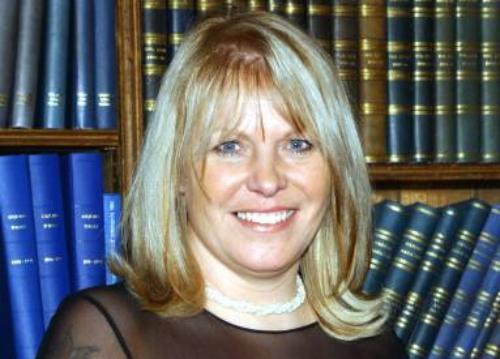
Kate Kray is one of the most recognisable names in British true crime writing, known not only for her literary work but also for her unique place in the history of Britain’s underworld. To many, her name is inseparable from the legacy of Ronnie Kray and the notorious Kray twins, yet Kate Kray has established a public identity far beyond her marriage to one of London’s most infamous gangsters.
Over the years, Kate Kray has become a prominent author, commentator, and public figure whose books have opened a rare window into the shadowy world of organised crime. Her life is marked by unusual contrasts: glamour and danger, notoriety and professionalism, personal tragedy and public success. Her story is one of reinvention, resilience, and a remarkable ability to transform personal experience into bestselling written work.
Early Life of Kate Kray
Before becoming associated with one of Britain’s most infamous criminal dynasties, Kate Kray lived a relatively private life. Unlike many public figures tied to notorious names, her background was not initially steeped in fame or media attention.
Her early years remain less documented than her later public life, largely because she entered the spotlight through her relationship with Ronnie Kray rather than through celebrity or politics. What distinguishes Kate Kray from many others connected to notorious figures is that she did not fade into obscurity after her marriage ended. Instead, she used her experience to build a career of her own.
Her early life shaped the grounded, straightforward voice that later became a hallmark of her writing. Readers often note that her style feels direct, authentic, and unpretentious—qualities likely rooted in her own lived experiences rather than formal literary training.
Marriage to Ronnie Kray
Kate Kray became widely known after marrying Ronnie Kray in 1989. By then, Ronnie Kray was already a legendary and feared figure in British criminal history.
Ronnie, alongside his twin brother Reggie Kray, had dominated London’s East End gangland scene during the 1950s and 1960s. Their empire included protection rackets, violent crime, and close ties with celebrities, politicians, and social elites.
When Kate married Ronnie, he was serving a life sentence in prison. Their marriage immediately drew public fascination because it combined romance, scandal, and criminal notoriety in equal measure.
For Kate Kray, marrying Ronnie meant stepping into one of Britain’s most scrutinised criminal legacies. It also placed her in a difficult position—balancing personal loyalty with the intense public attention surrounding her husband’s past.
Their marriage lasted until 1994. Though it eventually ended, it permanently changed the course of her life.
Life Inside the Shadow of the Kray Legend
Being connected to the Kray name brought Kate Kray into a world few outsiders ever fully understand. The Krays were not ordinary criminals; they had become mythic figures in British culture.
Their names carried both fear and fascination. They were gangsters, yet they were also social celebrities whose lives inspired books, documentaries, films, and endless media debate.
Kate Kray’s relationship with Ronnie gave her unusual insight into this hidden world. Unlike journalists or historians studying from outside, she experienced the emotional and personal reality behind the public myths.
This insider perspective later became the foundation of her writing career. She could speak about gangland Britain with authenticity because she had lived close to its most notorious figures.
Becoming an Author
After Ronnie Kray’s death in 1995, Kate Kray began a new chapter of her life as a writer. Rather than remaining known solely as Ronnie’s widow, she created an independent public identity through publishing.
Her transition into authorship was both natural and strategic. She had access to stories, people, and perspectives unavailable to most writers in the crime genre.
Kate Kray’s books quickly gained popularity because they offered:
- Real insider knowledge
- Personal interviews with notorious figures
- First-hand accounts of gangland culture
- Authentic portraits of criminal personalities
Her writing appealed strongly to readers fascinated by Britain’s criminal underworld, especially those interested in true crime rooted in real personalities rather than fictionalised drama.
Kate Kray’s Most Famous Books
Kate Kray has written numerous bestselling titles, many of which have become staples in British true crime publishing.
The Twins: Men of Violence
This book examines the lives of Ronnie and Reggie Kray in detail, offering readers a closer look at their psychology, crimes, and personal relationships.
Hard Bastards
A collection of profiles on Britain’s toughest criminals, this title became especially popular for its blunt and vivid portrayal of gangland figures.
Killers Behind Bars
This work explores some of Britain’s most dangerous murderers, combining biography with commentary drawn from Kate Kray’s interviews and research.
Ultimate Hard Men
In this title, Kate Kray profiles notorious gangsters and violent offenders, offering readers insight into criminal personalities rarely examined with such proximity.
Her books often combine biography, anecdote, and investigative detail, making them accessible to both casual readers and serious crime enthusiasts.
Writing Style and Public Appeal
One reason Kate Kray has remained relevant in publishing is her distinctive writing voice.
Her prose is:
- Direct
- Clear
- Unembellished
- Rich in anecdotal detail
Unlike academic criminologists, Kate Kray writes for ordinary readers. Her books feel conversational rather than clinical, which broadens their appeal.
Readers trust her voice because it comes from experience rather than detached observation. She writes as someone who has known criminals personally, not simply studied them from afar.
That authenticity gives her books a compelling edge in an overcrowded true crime market.
Media Appearances and Public Profile
Kate Kray has frequently appeared in television documentaries, interviews, and public discussions related to the Kray twins and organised crime in Britain.
She is often invited to comment on:
- Kray family history
- British gangland culture
- Criminal biographies
- The legacy of East End organised crime
Her media appearances reinforce her reputation as a trusted commentator on Britain’s underworld history.
Because of her direct personal ties, audiences often regard her as one of the few commentators whose insights come from genuine lived experience.
Kate Kray and the Fascination with Gangland Britain
British society has long been fascinated by gangsters, especially figures like the Krays, whose lives blur the line between criminal brutality and public glamour.
Kate Kray occupies a unique place in this fascination because she bridges two worlds:
- The private emotional reality behind infamous names
- The public storytelling that keeps those legends alive
Her work feeds enduring public curiosity while also humanising figures often reduced to myth.
This balance is one reason her books continue to attract new generations of readers.
Criticism and Controversy
Like many writers associated with notorious criminals, Kate Kray has not escaped criticism.
Some critics argue that gangland publishing risks glamorising violence. Others question whether repeated retelling of criminal lives can turn dangerous figures into anti-heroes.
Kate Kray’s defenders, however, argue that her books preserve important historical accounts and document social realities that might otherwise disappear.
Her writing generally avoids romanticising violence outright; instead, it presents gangland life as harsh, dangerous, and deeply flawed.
Personal Strength and Reinvention
Perhaps the most remarkable aspect of Kate Kray’s story is her reinvention.
Many people connected to notorious public figures remain permanently defined by those associations. Kate Kray, however, built a second life as:
- A respected crime author
- A media commentator
- A recognised public personality in her own right
Her career demonstrates resilience and adaptability. Rather than being consumed by the Kray legacy, she transformed proximity to notoriety into professional independence.
Influence on British True Crime Literature
Kate Kray has played an important role in shaping modern British true crime publishing.
Her influence can be seen in:
- The popularity of gangland biography books
- Increased public interest in criminal memoirs
- The blending of personal narrative with crime reportage
She helped popularise a form of true crime writing that is intimate, personality-driven, and rooted in lived experience.
In this sense, Kate Kray is not simply writing about crime—she has helped define how British crime stories are told.
Why Kate Kray Still Matters Today
Even decades after her marriage to Ronnie Kray, Kate Kray remains relevant because her work continues to connect readers with a part of British history that still fascinates the public imagination.
The Kray legend has not disappeared. Films, books, and documentaries continue revisiting their story, and Kate Kray remains one of its most credible living interpreters.
Her perspective matters because it preserves nuance in stories often distorted by sensationalism.
FAQs
Who is Kate Kray best known for being married to?
Kate Kray is best known for being the former wife of Ronnie Kray, one half of the infamous Kray twins.
What type of books does Kate Kray write?
She mainly writes true crime and gangland biography books focused on British criminals and organised crime figures.
Why is Kate Kray important in British crime history?
She offers rare first-hand insight into the Kray legacy and has become a respected voice in British true crime literature.
Conclusion
Kate Kray is far more than a historical footnote in the story of Britain’s most notorious gangsters. While her marriage to Ronnie Kray first brought her public attention, her enduring significance lies in the career she built afterwards.
As an author, commentator, and chronicler of Britain’s criminal underworld, Kate Kray has carved out a unique place in British cultural history. Her books preserve voices, stories, and perspectives that might otherwise have been lost, making her one of the most distinctive figures in modern true crime writing.