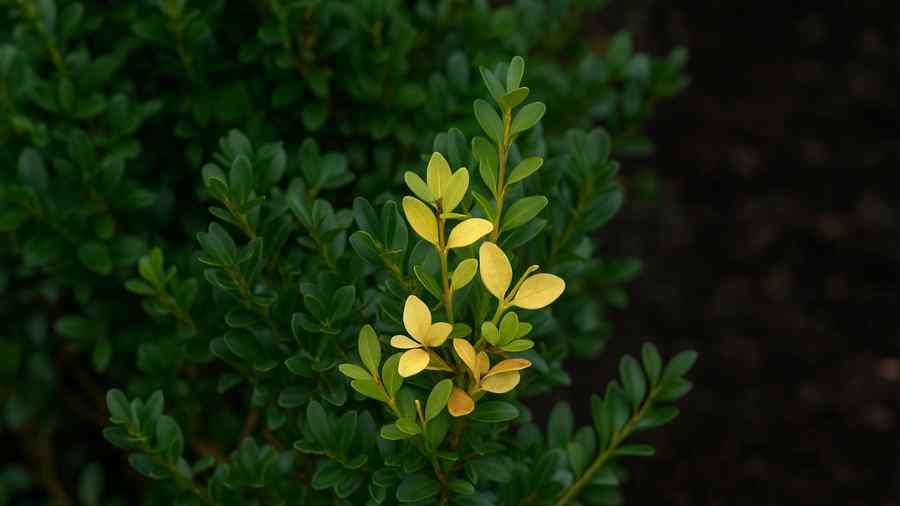
Ilex crenata, more commonly known as Japanese Holly, has become an increasingly popular plant across UK gardens. Its neat, evergreen foliage and compact growth make it a favourite alternative to the traditional Box (Buxus sempervirens), especially as box blight and caterpillar infestations have caused widespread issues in recent years. However, gardeners across Britain are discovering that Ilex crenata is not entirely trouble-free. Despite its reputation for being hardy, adaptable and attractive, it can suffer from various problems related to soil conditions, watering, drainage, disease, and climate.
Understanding the most common Ilex crenata problems in the UK is essential to ensure your hedging or topiary remains healthy, vibrant, and long-lasting. In this article, we’ll explore the real causes behind the difficulties gardeners face, the visible signs to watch for, and the best solutions to prevent or cure these issues.
Understanding Ilex Crenata
Before identifying the problems, it’s important to know the plant itself. Ilex crenata is native to Japan, Korea, and parts of China, where it thrives in well-drained, slightly acidic soil and a mild, temperate climate. Its small, glossy leaves make it visually similar to boxwood, which is why many gardeners in the UK have embraced it as a replacement hedge or topiary plant. However, this very similarity sometimes leads to the misconception that it can thrive under identical conditions as boxwood.
In reality, Ilex crenata has different soil preferences and sensitivities. It dislikes chalky or alkaline soils, struggles in poorly drained areas, and can quickly suffer from stress when either too dry or too wet. Many of the common Ilex crenata problems in the UK arise from misunderstanding these subtle yet crucial needs.
Common Ilex Crenata Problems in the UK
1. Poor Drainage and Root Rot
Perhaps the most widespread problem with Ilex crenata in British gardens is poor drainage. The UK’s heavy clay soils, especially in the South East and Midlands, tend to retain water, creating a suffocating environment for roots. When water sits around the base of the plant, it prevents oxygen from reaching the roots and promotes fungal growth.
One of the most destructive fungi in this case is Phytophthora, responsible for root rot. Infected plants often display yellowing leaves, weak growth, and gradual dieback. The roots, when inspected, appear blackened and soft. Unfortunately, once root rot has taken hold, the plant rarely recovers.
To prevent this issue, it’s vital to ensure proper drainage before planting. Mixing grit, sand, or organic matter into the soil helps improve aeration. If your garden is prone to waterlogging, consider raised beds or planting on slight mounds to allow excess water to run off easily.
2. Drought Stress and Underwatering
Although Ilex crenata dislikes excess moisture, it is equally sensitive to drought. In warm summers or dry spells, especially during establishment, lack of consistent watering leads to stress. The leaves may turn pale, curl at the edges, and eventually drop.
This problem often occurs in container-grown plants or newly planted hedges that have not yet developed deep roots. Unlike mature shrubs, young Ilex crenata rely heavily on regular watering until they establish themselves in the soil. During this critical stage, the soil should remain slightly moist but never soggy.
Gardeners can avoid drought stress by watering deeply and less frequently, encouraging roots to grow downwards. Applying mulch around the base also helps retain soil moisture and keeps the root zone cool during hot weather.
3. Unsuitable Soil pH
Ilex crenata prefers slightly acidic soil. However, many gardens across the UK, particularly in chalky or limestone areas, have alkaline soil that can lead to nutrient lockout. In alkaline conditions, essential minerals such as iron and magnesium become unavailable to the plant, causing chlorosis — a yellowing of the leaves while the veins remain green.
Testing the soil pH before planting is crucial. If it’s too alkaline, mixing ericaceous compost into the planting hole or using soil acidifiers such as sulphur chips can help restore balance. For potted specimens, switching to ericaceous compost is a simple and effective solution.
4. Fungal and Bacterial Diseases
While Ilex crenata is generally resistant to many pests, it can still fall victim to several diseases under the right conditions. Besides root rot, other common fungal infections include leaf spot and holly leaf blight.
Leaf spot is often caused by damp, stagnant air and poor air circulation around dense hedges. It appears as small dark patches or discolouration on the leaves, eventually leading to premature leaf drop. Holly leaf blight, on the other hand, can cause larger brown patches and dieback of young shoots.
To manage these problems, good hygiene and pruning are essential. Remove affected leaves promptly and dispose of them rather than composting. Prune hedges to improve airflow, and water the soil rather than the foliage to prevent excessive dampness.
5. Yellowing and Discolouration
Many UK gardeners report their Ilex crenata turning yellow, especially during winter or early spring. This yellowing can have several causes — from overwatering and nutrient deficiencies to cold stress or root disease.
If the yellowing appears across the entire plant, check for drainage problems first. If it’s more gradual or patchy, it might relate to a lack of nutrients, especially iron or nitrogen. Applying a balanced slow-release fertiliser in spring usually corrects minor deficiencies. However, if the yellowing persists even after feeding, it may indicate deeper issues such as pH imbalance or early-stage root rot.
Environmental and Climate-Related Factors
Cold Damage and Frost Stress
Although considered hardy, Ilex crenata can suffer from frost damage during severe winters, particularly in exposed sites. Frost can cause the leaves to brown or blacken, while cold winds may dehydrate the foliage. Covering young plants with horticultural fleece during the coldest months can provide extra protection.
Heat and Sun Exposure
While heat is less of a problem in most parts of the UK, south-facing sites can cause stress during unusually hot spells. Plants in pots are particularly vulnerable as their roots heat up quickly. Using a light-coloured container, shading during peak afternoon hours, and consistent watering help prevent heat stress.
Container-Related Issues
Ilex crenata is often grown in pots, especially as topiary balls or shaped specimens. While this is an attractive choice, it introduces its own set of challenges. Containers dry out faster, restricting the plant’s access to nutrients and moisture. Moreover, compacted roots in small pots lead to poor aeration and stagnation.
Repotting every two to three years into a slightly larger container with fresh ericaceous compost helps maintain health. Always ensure there are sufficient drainage holes at the bottom, and raise the pot slightly off the ground to prevent waterlogging during rain.
Preventive Measures and Best Practices
1. Site Preparation
Choosing the right location is the foundation of success. Avoid low-lying areas prone to standing water, and if possible, plant in slightly elevated ground. Break up compacted soil, incorporate organic matter, and check drainage before planting.
2. Watering Schedule
Consistency is key. Newly planted Ilex crenata should be watered regularly until established, typically for the first one to two years. During dry periods, water deeply once or twice a week rather than light daily sprinkles. In winter, reduce watering to prevent saturation.
3. Feeding and Mulching
Feed the plants annually with a balanced fertiliser designed for acid-loving shrubs. Applying mulch in spring helps conserve moisture, suppress weeds, and regulate soil temperature. Organic mulches such as bark or composted leaves work best.
4. Pruning and Shaping
Regular pruning not only keeps hedges and topiary neat but also encourages airflow and new growth. The best time to trim is late spring or early summer after the risk of frost has passed. Avoid heavy pruning during extremely cold or hot weather.
5. Regular Inspection
Frequent observation is the most reliable way to detect problems early. Look for yellowing, dieback, blackened roots, or unusual spotting on leaves. Catching symptoms early allows you to take corrective action before the plant declines irreversibly.
Alternatives to Ilex Crenata
If your garden conditions make Ilex crenata challenging to grow, several alternatives can provide a similar look. Species such as Euonymus japonicus, Lonicera nitida, or evergreen varieties of privet can serve as substitutes. These plants tolerate a wider range of soil conditions and are less sensitive to drainage issues.
However, if you prefer to stick with Ilex crenata, consider planting it in raised beds or pots using acidic, well-drained compost. This allows for better control over soil conditions and reduces the risk of disease.
Final Tips for Healthy Ilex Crenata
Avoid planting during extreme weather, whether too wet or too dry.
Ensure the root ball is level with the soil surface when planting.
Space plants correctly to promote air movement.
Replace any severely affected plants immediately to prevent disease spread.
Apply a light winter feed if the leaves start yellowing after cold periods.
Conclusion
Ilex crenata remains a superb choice for formal gardens, low hedges, and topiary in the UK, provided its basic requirements are respected. Most Ilex crenata problems in the UK arise from poor drainage, incorrect soil pH, inconsistent watering, or neglecting early signs of disease. By understanding these challenges and following proper planting and maintenance practices, gardeners can enjoy lush, healthy, and long-lasting Japanese Holly displays throughout the year.