Cressida Dick: Leadership, Legacy, and the Complex Career of Britain’s Most High-Profile Police Chief

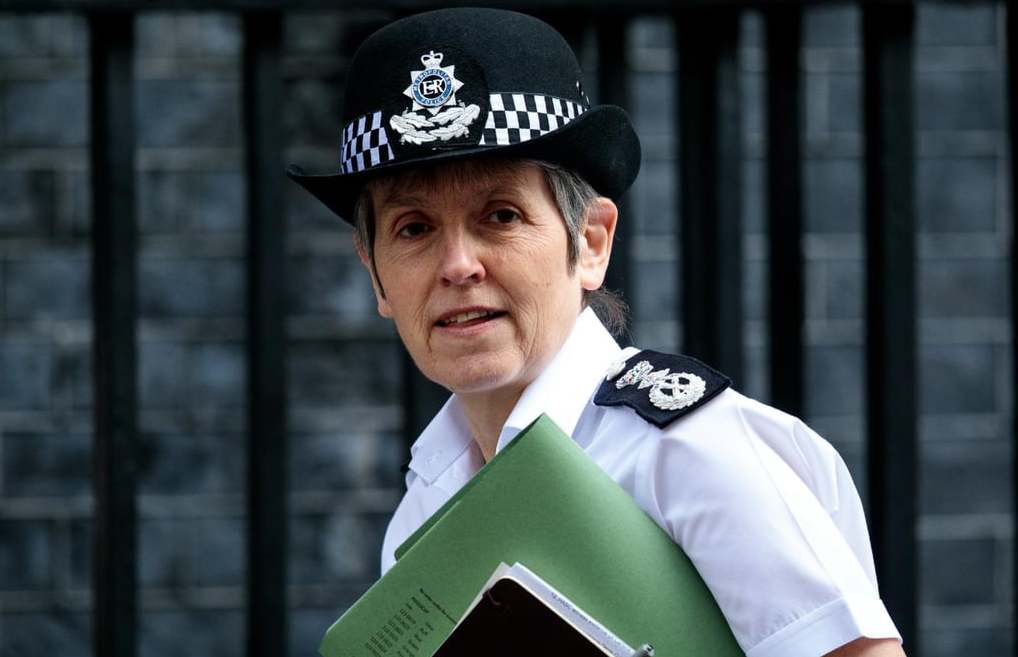
Cressida Dick is one of the most recognizable figures in modern British policing, known for both her historic achievements and the intense scrutiny that defined her leadership. Often referred to formally as Cressida Rose Dick, she rose through the ranks of the UK’s policing system to become the Commissioner of the Metropolitan Police Service, the largest and arguably most influential police force in the United Kingdom. Her journey is not just a story of professional advancement, but also a case study in leadership under pressure.
What makes Cressida Rose Dick particularly significant is her position at the intersection of tradition and change. The Metropolitan Police, with its deep-rooted history and complex responsibilities, has long been resistant to rapid transformation. Yet, under her leadership, the organization faced modern challenges such as terrorism, digital crime, and public trust crises. Her tenure reflected the tension between maintaining institutional stability and responding to evolving societal expectations.
Early Life and Academic Foundations
Cressida Rose Dick was born into an intellectually rich environment that helped shape her analytical and disciplined approach to leadership. Her father, Marcus William Dick, was a distinguished academic, while her mother, Cecilia Buxton, also had a strong academic background. Growing up in such a household meant that intellectual curiosity and structured thinking were part of her daily life from an early age.
This environment likely contributed to her calm, methodical style of decision-making. Unlike many leaders who rely heavily on instinct, Dick has often been described as someone who approaches challenges with a combination of evidence-based reasoning and careful deliberation. Her upbringing provided a foundation that blended critical thinking with a strong sense of public duty.
Her educational journey further reinforced these traits. She attended Oxford University before pursuing advanced studies in criminology at Cambridge. This dual exposure to two of the world’s leading academic institutions gave her a unique perspective on crime, justice, and governance. Rather than viewing policing solely as an enforcement role, she developed an understanding of its broader social implications, which would later influence her leadership philosophy.
Entry into Policing and Early Career Development
Cressida Dick joined the Metropolitan Police in 1983, at a time when the force was undergoing gradual change but remained largely traditional in its structure and culture. As a young officer, she entered a profession that was still male-dominated, where leadership opportunities for women were limited. Her early years were marked by persistence, adaptability, and a willingness to take on challenging roles.
In her initial assignments, she worked across various departments, gaining hands-on experience in community policing, investigations, and operational planning. These roles allowed her to understand the practical realities of policing, from frontline interactions with the public to the complexities of criminal investigations. This breadth of experience became one of her defining strengths as she progressed in her career.
Over time, Dick developed a reputation for being both competent and composed under pressure. She was not known for dramatic gestures or aggressive leadership styles, but rather for steady, consistent performance. This approach helped her earn the respect of colleagues and superiors alike, paving the way for her advancement into more senior roles.
Rise Through the Ranks and Strategic Leadership Roles
As her career progressed, Cressida Rose Dick began to take on increasingly significant responsibilities within the Metropolitan Police. One of the key turning points came when she moved into senior leadership positions, where she was responsible for overseeing large teams and complex operations. These roles required not only operational expertise but also strategic vision.
Her work in counterterrorism was particularly notable. During a period when the UK faced evolving security threats, Dick played a central role in shaping the police response to terrorism. This included coordinating intelligence efforts, managing high-risk operations, and ensuring public safety in a rapidly changing threat landscape. Her ability to balance urgency with careful planning became a hallmark of her leadership.
She also played a significant role in the security planning for major national events, including the London 2012 Olympics. This global event required an unprecedented level of coordination between different agencies, and Dick’s involvement demonstrated her capability to operate at the highest levels of national security planning. These experiences positioned her as a strong candidate for the top leadership role within the Metropolitan Police.
Appointment as Commissioner of the Metropolitan Police
In 2017, Cressida Dick made history when she was appointed Commissioner of the Metropolitan Police. This appointment was significant not only because she became the first woman to hold the position, but also because it marked a shift in how leadership roles within the force were perceived. Her appointment signaled a move toward greater inclusivity and recognition of merit-based advancement.
As Commissioner, Dick was responsible for overseeing a vast organization with thousands of officers and staff. The role required her to manage everything from everyday policing to national security issues, making it one of the most demanding leadership positions in the UK. Her tenure began during a period of heightened security concerns, adding immediate pressure to her new role.
Her leadership style as Commissioner was characterized by a focus on stability and continuity. She sought to maintain the core values of the Metropolitan Police while addressing emerging challenges. However, this balancing act proved to be complex, as the expectations placed on the force—and on her personally—continued to evolve.
Challenges, Controversies, and Public Scrutiny
No discussion of Cressida Rose Dick’s career would be complete without addressing the controversies that surrounded her tenure. One of the most notable incidents linked to her earlier career was the tragic shooting of Jean Charles de Menezes in 2005. Although she was cleared of personal wrongdoing, the incident remained a point of public debate and criticism.
As Commissioner, she faced additional challenges that tested her leadership and resilience. Issues such as public trust, internal misconduct within the police force, and the handling of high-profile cases brought intense scrutiny. The Metropolitan Police, under her leadership, was often at the center of national conversations about policing standards and accountability.
These controversies highlighted the difficulty of leading a major public institution in a time of heightened transparency and public expectation. While some critics argued that she was too cautious in her approach, others defended her as a leader navigating an extraordinarily complex environment. Regardless of perspective, it is clear that her tenure was marked by significant challenges that shaped her legacy.
Leadership Style and Decision-Making Approach
Cressida Dick’s leadership style has often been described as measured, analytical, and pragmatic. Unlike leaders who rely on charisma or bold public statements, she tended to focus on internal processes and long-term strategy. This approach was both a strength and, at times, a limitation, depending on the context.
Her decision-making process was rooted in evidence and consultation. She frequently relied on data, expert input, and structured analysis to guide her actions. This methodical approach helped ensure consistency and accountability, but it also meant that her responses were sometimes perceived as slow or overly cautious in fast-moving situations.
Despite these criticisms, her leadership style reflected a deep commitment to institutional integrity. She prioritized maintaining the credibility of the Metropolitan Police, even when facing significant external pressure. This focus on stability and professionalism remained a defining feature of her career.
Personal Life and Public Identity
Beyond her professional achievements, Cressida Rose Dick’s personal life also played a role in shaping her public identity. She is openly gay, making her one of the most prominent LGBTQ+ figures in British public service. Her openness about her identity was widely seen as a positive step toward greater inclusivity within traditionally conservative institutions.
Her personal story resonated with many people, particularly those who saw her as a role model for breaking barriers in leadership positions. At the same time, she maintained a relatively private personal life, choosing to keep the focus primarily on her professional responsibilities.
Her family background, including figures like James Reid Dick, further highlights the strong intellectual and cultural influences that shaped her upbringing. These influences contributed to her disciplined and thoughtful approach to both life and leadership.
Resignation and the End of Her Tenure
In 2022, Cressida Dick resigned from her position as Commissioner of the Metropolitan Police. The decision came after a period of sustained criticism and a loss of political support. Her resignation marked the end of a significant chapter in British policing history.
The circumstances surrounding her departure underscored the challenges of leading a high-profile public institution in a time of rapid change. While her resignation was seen by some as necessary for restoring public confidence, others viewed it as the culmination of systemic issues that extended beyond any single leader.
Despite the controversies, her tenure remains an important case study in leadership, accountability, and the evolving role of policing in modern society. Her departure did not erase her contributions, but rather added another layer to her complex legacy.
Legacy and Impact on Modern Policing
The legacy of Cressida Rose Dick is multifaceted and continues to be debated. On one hand, she broke significant barriers and demonstrated that leadership positions within policing are accessible to a broader range of individuals. On the other hand, her tenure highlighted the persistent challenges facing law enforcement institutions.
Her impact can be seen in the ongoing discussions about police reform, accountability, and public trust. She served during a time when these issues were at the forefront of public discourse, and her leadership played a role in shaping how they are addressed today.
Ultimately, her career reflects both the possibilities and limitations of leadership within complex systems. She achieved historic milestones while also facing significant criticism, making her one of the most studied and discussed figures in contemporary British policing.
FAQs
Who is Cressida Dick?
Cressida Dick, formally known as Cressida Rose Dick, is a former Commissioner of the Metropolitan Police in London and the first woman to hold that role.
Why did Cressida Dick resign as Met Commissioner?
She resigned in 2022 after facing criticism over policing standards, internal issues, and a loss of political support from London leadership.
What is Cressida Dick known for in her career?
She is known for leading the UK’s largest police force, her role in counterterrorism, and being a historic figure as the first female and openly gay Met Commissioner.
Conclusion
Cressida Dick’s career is a compelling narrative of ambition, resilience, and the realities of leadership under scrutiny. As Cressida Rose Dick, she rose from a young officer to one of the most powerful figures in British policing, breaking barriers along the way. Her journey was shaped by a strong academic foundation, decades of experience, and a commitment to public service.
At the same time, her tenure illustrates the challenges of leading in an era of heightened expectations and constant public oversight. Her story is not one of simple success or failure, but rather a nuanced example of how leadership operates within complex and often unforgiving environments.