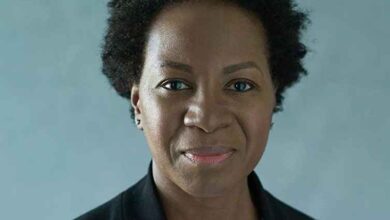
The British arts landscape continues to evolve as new voices emerge with powerful stories, fresh perspectives, and fearless creativity. Among these influential figures stands Emmanuel Akwafo, an actor, writer, and storyteller of British-Ghanaian heritage whose work bridges identity, culture, joy, pain, and resilience. His journey is not only inspiring but also deeply relevant to discussions about representation, inclusivity, and the importance of authentic narratives on stage and screen. Born and raised in south-east London, Akwafo has carved a place for himself in the entertainment industry through an impressive list of theatre productions, television roles, and original writing that reflects the experiences of communities often overlooked.
Early Life and Cultural Roots
Emmanuel Akwafo’s upbringing plays a significant role in shaping his creative identity. Coming from a Ghanaian family and growing up in London, he was exposed to a blend of cultures, languages, and social realities. This dual heritage provided him with a unique viewpoint that later became a foundation for his artistic expression. His experiences within Black communities, along with challenges tied to identity, belonging, masculinity and faith, fuel the emotional honesty found throughout his work. Akwafo has openly discussed the complexities of growing up in an environment where expectations were high and representation of Black queer men was scarce. These personal truths are not hidden but rather channelled into art that resonates with audiences who share similar untold stories.
Academic Foundation and Acting Training
Akwafo’s academic path took him to De Montfort University, where he earned a BA Honours degree in Performing Arts, Drama and Acting. University became a gateway into professional theatre, giving him technical skills, exposure to performance styles, and the confidence to pursue acting at a competitive level. His training refined his stage presence, vocal strength, character interpretation, and understanding of both classical and contemporary scripts. Many emerging artists find drama school transformative, and for Akwafo it was a launchpad that allowed his talent to mature into a professional craft. This training later enabled him to perform in major venues, work with renowned directors, and collaborate with other talented theatre practitioners.
Stage Career and Theatre Recognition
Emmanuel Akwafo is widely regarded for his dynamic presence in theatre. His performance history includes notable plays and highly respected stages such as Shakespeare’s Globe, Apollo Theatre, Royal Court and New Diorama. In productions including As You Like It, For Black Boys Who Have Considered Suicide When The Hue Gets Too Heavy, The Bald Soprano and many other plays, Akwafo demonstrated versatility, emotion, humour, and depth. His ability to adapt across genres—from Shakespearean drama to contemporary social narratives—shows that he is not limited to one style. Audiences and critics have recognised him as a performer capable of making characters breathe with humanity.
One of his most highlighted appearances was in For Black Boys Who Have Considered Suicide When The Hue Gets Too Heavy, a production known for its emotional resonance and cultural impact. The play centres around the mental health struggles of Black men, tackling themes like vulnerability, brotherhood, trauma and healing. Akwafo’s portrayal contributed to the play becoming a vital conversation piece within modern theatre. His performance delivered sensitivity without losing strength, reminding audiences that masculinity includes softness, fear, tenderness, and hope.
Television and Screen Work
In addition to his stage successes, Akwafo has expanded his artistry into television. His screen credits include roles in well-known series such as Sex Education, EastEnders, The Crown, M.I. High, Grange Hill and 24: Live Another Day. These appearances demonstrate his ability to shift from theatrical performance to camera-based acting—a transition that demands subtle expression, control and realism. While theatre allows for grand gestures and projection, screen performance requires nuance, stillness and refined emotional delivery. Akwafo handles this with ease, proving his capability across mediums. As television continues to diversify, actors like him offer representation that matters for younger generations seeking to see themselves reflected in mainstream media.
Writing, Storytelling and Creative Voice
Beyond acting, Emmanuel Akwafo is also a writer and creative force who uses storytelling as power. His writing taps into personal history, faith, sexuality, friendship and the complicated journey of self-discovery. He does not shy away from themes many consider sensitive—he leans into them with bravery and compassion. His original play Limp Wrist and the Iron Fist stands as a recent example of storytelling rooted in truth. It explores Black queer identity, family conflict, church upbringing, societal expectations, and the emotional tension between self-acceptance and cultural tradition. Audiences and critics appreciated the raw honesty of the script, describing it as humorous, painful and healing all at once. It is a story about confronting silence, shame and trauma without losing joy or humour along the way.
Akwafo’s work shows that theatre is more than performance—it is a vessel for reflection, understanding and community healing. The play represents not just entertainment but visibility. It allows Black queer men to exist as full humans on stage, not merely as stereotypes. Through his writing, he challenges the industry to be more inclusive and encourages young creatives to tell their stories unapologetically.
Themes, Representation and Social Impact
A powerful aspect of Emmanuel Akwafo’s contribution to British arts is his commitment to representation. He advocates for narratives that reflect real lives, especially those overlooked in mainstream performance. His art voices emotional truths about mental health, identity conflict, religious upbringing and the intersections of culture and queerness. Many audience members see themselves in his characters, while others gain understanding of experiences they may never have encountered personally. This is how storytelling becomes activism—by creating empathy, sparking conversations, and challenging silence.
Akwafo also promotes the idea that sensitivity and vulnerability are strengths, not weaknesses. In many communities, especially among men, emotional expression is discouraged or labelled unmanly. Through his work, he gently dismantles these expectations and creates space for dialogue. He shows that masculinity can be gentle, joyful, hurting and healing. His stories encourage men to speak, to feel, and to confront pain rather than bury it.
Overcoming Challenges: Dyslexia, Identity and Growth
Another remarkable part of Akwafo’s journey is his openness about dyslexia. Instead of treating it as a limitation, he considers it a different way of seeing words, worlds and meaning. His approach to writing reflects creative thinking, rhythm in dialogue, and emotional texture rather than formal stiffness. Many people with dyslexia find alternative paths to communication—through images, sounds, movement and energy. Akwafo represents how neurological difference can enrich art rather than restrict it. This stance inspires emerging writers who worry that difficulty with spelling or reading makes them unfit for creative careers. He stands as proof that talent is not defined by learning challenges but shaped by how one uses them.
A Creative Future Built on Courage
Considering the strength of his current work, Emmanuel Akwafo’s future looks promising and influential. He is poised to become one of the defining figures shaping the next generation of British theatre. His stories matter, not only because they entertain but because they open doors for others to follow. More emerging Black, queer and working-class artists may feel empowered to take centre stage, write their stories and pursue performance professions after seeing someone like him succeed.
As television and theatre continue to seek authentic voices, Akwafo is well positioned to expand his presence on screen, develop new writing projects, and collaborate with directors who value artistic bravery. His creative ambition suggests he will not limit himself to acting alone. He may explore film writing, directing, producing, or even creating programmes that mentor young talent. With each new project, he deepens the conversation about representation and the importance of cultural complexity in art.
Conclusion
Emmanuel Akwafo stands as a remarkable figure in British theatre and television, driven by truth, creativity and emotional power. His Ghanaian-British background, academic training, diverse stage roles, television appearances and groundbreaking writing have built a career defined by authenticity. He is living proof that stories rooted in lived experience carry the greatest impact. By bringing Black queer narratives into mainstream performance, he offers visibility, healing and connection for people who often feel unseen. His work encourages Britain to view identity with empathy, to honour vulnerability and to celebrate individuality. As his career continues to grow, Emmanuel Akwafo remains not only an artist to watch but a voice reshaping what representation looks like in modern British arts.