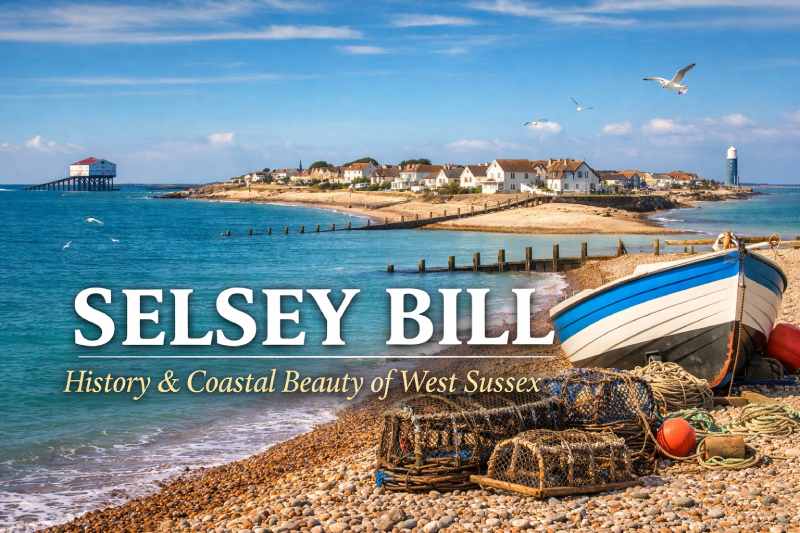
Set against the sweeping waters of the English Channel, Selsey Bill stands as one of the most distinctive coastal landmarks in southern England. Located on the tip of the Manhood Peninsula in West Sussex, this low-lying headland has witnessed centuries of maritime activity, shifting coastlines, and quiet human resilience. Unlike dramatic cliff-lined coasts elsewhere in Britain, Selsey Bill offers a subtler beauty—one shaped by tides, wind, and history rather than height and grandeur.
Geography and Natural Setting
A Unique Coastal Formation
Selsey Bill is not a towering headland but rather a gently sloping spit of land that extends into the sea. Its formation is the result of centuries of coastal processes, including longshore drift and sediment deposition. The shoreline here is primarily composed of shingle and sand, giving it a dynamic and ever-changing character.
The Southernmost Point of Sussex
One of the defining features of Selsey Bill is its position as the southernmost point in the historic county of Sussex. This geographical distinction makes it an important reference point for navigation and weather forecasting along the south coast of England.
Tides and Coastal Change
The coastline around Selsey Bill is particularly vulnerable to tidal influences. At high tide, sections of the land can become submerged, emphasising its fragile nature. Over the centuries, erosion has reshaped the area significantly, with some historical settlements believed to have been lost to the sea.
Historical Significance
Early Settlements and Saxon Roots
The area surrounding Selsey Bill has been inhabited since ancient times. Archaeological findings suggest activity during the Iron Age, while Roman artefacts indicate its strategic importance in early trade and defence networks.
The name “Selsey” itself is thought to derive from Old English, meaning “Seal’s Island,” reflecting both the natural environment and early naming traditions. During the Saxon period, the region gained prominence as a centre of religious activity.
Saint Wilfrid and Early Christianity
One of the most notable historical figures associated with Selsey Bill is Saint Wilfrid. According to historical accounts, Wilfrid was shipwrecked near the coast in the 7th century. His arrival marked the beginning of Christian missionary work in the region, eventually leading to the establishment of a cathedral at Selsey.
Viking Encounters and Defence
The coastline near Selsey Bill also played a role during the Viking Age. Historical records suggest that Viking ships were wrecked or intercepted in these waters during the reign of Alfred the Great. This highlights the strategic importance of the area in defending England’s southern shores.
Maritime Importance
A Challenging Passage for Sailors
For centuries, Selsey Bill has been both a guide and a hazard for mariners. The surrounding waters are known for hidden dangers, including submerged rocks and shifting sandbanks. Features such as the Mixon and the Owers have long posed risks to ships navigating the area.
Navigation and Weather Forecasting
Due to its location, Selsey Bill is frequently referenced in marine weather forecasts issued across the United Kingdom. It serves as a key geographical marker, helping sailors understand conditions along the English Channel.
Shipwrecks and Maritime Lore
The treacherous conditions around Selsey Bill have led to numerous shipwrecks over the centuries. These incidents have contributed to a rich tapestry of maritime folklore, with tales of lost vessels and heroic rescues forming part of the local heritage.
The Smuggling Era
A Haven for Smugglers
During the 18th century, Selsey Bill gained notoriety as a centre for smuggling activities. Its isolated position and complex coastline made it an ideal location for illicit trade. Goods such as tea, brandy, and tobacco were frequently brought ashore under the cover of darkness.
The Hawkhurst Gang
One of the most infamous smuggling groups associated with the area was the Hawkhurst Gang. Their activities extended across the south coast, and their presence near Selsey Bill added a darker chapter to the region’s history. Eventually, law enforcement efforts led to their capture, and several members were publicly executed as a warning to others.
Wildlife and Environmental Importance
Marine Conservation Zone
In recent years, Selsey Bill has gained recognition for its ecological value. The surrounding waters are part of a designated Marine Conservation Zone, established to protect diverse marine habitats and species.
Rich Biodiversity
The coastal environment supports a wide range of wildlife, including seabirds, fish, and marine invertebrates. The seabed features rocky outcrops and sandy areas, providing habitats for species such as crabs, lobsters, and various shellfish.
Birdwatching Opportunities
For bird enthusiasts, Selsey Bill offers excellent opportunities to observe both resident and migratory species. The open sea and coastal flats attract a variety of birds throughout the year, making it a rewarding destination for nature lovers.
Fishing Heritage and Local Economy
A Tradition of Coastal Fishing
Fishing has long been a cornerstone of life around Selsey Bill. Unlike many coastal towns with large harbours, Selsey operates using open beach launching, where boats are pulled directly onto the shore.
Crab and Lobster Industry
The local fishing industry is particularly known for its crab and lobster catches. These are highly valued for their quality and freshness, contributing to the local economy and culinary reputation of the area.
Community and Identity
The fishing heritage of Selsey Bill is deeply embedded in the community’s identity. Generations of families have relied on the sea for their livelihood, maintaining traditions that continue to this day.
Cultural Significance
A Place in British Music
Selsey Bill has found its way into British popular culture, with references in songs by bands such as The Jam and Madness. These mentions highlight its status as a recognisable and evocative location within the national consciousness.
Artistic Inspiration
The quiet beauty of Selsey Bill has also inspired artists, writers, and photographers. Its ever-changing light, expansive horizons, and understated charm make it a compelling subject for creative expression.
Visiting Selsey Bill Today
A Peaceful Coastal Escape
Today, Selsey Bill is a popular destination for those seeking a quieter alternative to more crowded seaside resorts. Visitors are drawn by its natural beauty, fresh sea air, and relaxed atmosphere.
Activities and Attractions
There are plenty of activities to enjoy around Selsey Bill, including:
- Coastal walks along the shoreline
- Fishing and boating experiences
- Wildlife observation and birdwatching
- Photography and scenic exploration
Accessibility and Amenities
While the area retains a sense of simplicity, basic amenities such as cafés and local shops are available nearby. The absence of large-scale commercial development adds to its charm, allowing visitors to experience a more authentic seaside environment.
Challenges and Future Outlook
Coastal Erosion and Climate Change
Like many low-lying coastal areas, Selsey Bill faces ongoing challenges from erosion and rising sea levels. Efforts have been made to manage these risks through coastal defences and environmental monitoring.
Balancing Tourism and Conservation
As interest in Selsey Bill grows, there is a need to balance tourism with environmental preservation. Protecting the natural and cultural heritage of the area remains a priority for local authorities and communities.
FAQs
What makes Selsey Bill different from other coastal headlands?
Unlike dramatic cliffs found elsewhere, Selsey Bill is a low-lying, shingle-based headland shaped by tides and sediment. Its subtle landscape and dynamic shoreline set it apart.
Is Selsey Bill safe for swimming?
Swimming is possible, but conditions can change quickly due to tides and currents. Visitors should exercise caution and check local guidance before entering the water.
Why is Selsey Bill important for sailors?
It serves as a key navigation point and is frequently referenced in marine weather forecasts. However, nearby rocks and sandbanks can make the area hazardous.
Can you see wildlife at Selsey Bill?
Yes, the area supports a wide range of marine and bird life, making it a popular spot for nature enthusiasts and birdwatchers.
When is the best time to visit Selsey Bill?
Spring and summer offer pleasant weather and active wildlife, while autumn provides dramatic coastal views. Each season brings its own unique appeal.
Conclusion
Selsey Bill is a place where history, nature, and human activity come together in quiet harmony. From its ancient origins and maritime challenges to its modern role as a conservation area and visitor destination, it offers a rich and layered experience. Though modest in appearance, its significance runs deep, shaped by centuries of interaction between land and sea.
For those willing to look beyond the obvious, Selsey Bill reveals itself as a remarkable and enduring part of England’s coastal heritage.