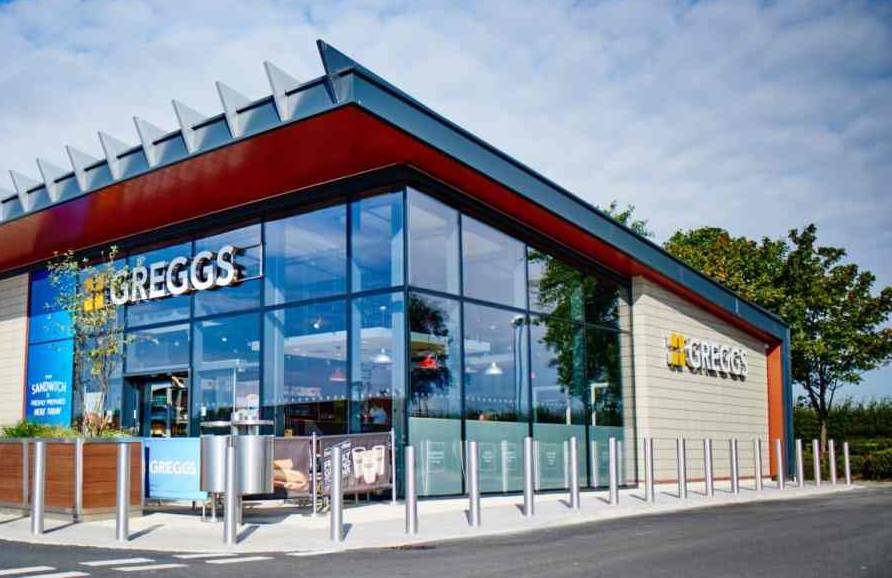
The idea of owning a Greggs Franchise has captured the attention of many aspiring entrepreneurs, especially those drawn to the success of Britain’s iconic bakery brand. With its famous sausage rolls, affordable menu, and strong presence on high streets, Greggs has built a loyal customer base that continues to grow year after year.
However, the reality of owning a Greggs Franchise is often misunderstood. Unlike many global fast-food brands, Greggs operates under a unique model that limits access and prioritises strategic partnerships over individual ownership.
Understanding the Greggs Brand
Greggs plc is one of the United Kingdom’s most recognisable food retailers. Founded in 1939, it has grown into a nationwide chain with thousands of outlets, serving millions of customers weekly.
Why Greggs Is So Popular
There are several reasons why Greggs stands out in a competitive market:
- Affordable pricing for everyday customers
- Consistent product quality across locations
- Strong brand recognition across the UK
- A focus on convenience and takeaway food
Its ability to adapt—such as introducing vegan options and modern store formats—has kept it relevant in changing market conditions.
What Is a Greggs Franchise?
At first glance, a Greggs Franchise may seem similar to franchises like McDonald’s or KFC. However, the structure is quite different.
A Different Kind of Franchise Model
Greggs does offer franchising, but:
- It is not widely open to the public
- It focuses on strategic partnerships
- Most stores remain company-owned
This means that the typical “buy a franchise and run it yourself” route is not the norm here.
Who Typically Gets a Greggs Franchise?
Greggs partners with:
- Established retail operators
- Petrol station chains
- Large convenience store groups
These partners already have infrastructure, locations, and operational experience.
Greggs Franchise Costs Breakdown
One of the most common questions about a Greggs Franchise is the cost involved. While exact figures vary, the investment is significant.
Initial Investment
Opening a Greggs location typically requires:
- Total investment: £260,000 to £390,000
This includes everything needed to launch and operate the store.
Key Cost Components
Franchise Fee
- Around £25,000 to £30,000
Store Fit-Out
- Approximately £120,000 to £180,000
- Covers interior design, counters, and layout
Equipment
- Between £100,000 and £150,000
- Includes ovens, refrigeration, and preparation tools
Initial Stock
- Around £20,000 to £30,000
Financial Requirements
To qualify, you typically need:
- Net worth: £250,000+
- Liquid capital: £100,000+
These requirements ensure that partners can sustain operations during the early stages.
Ongoing Costs and Fees
Running a Greggs Franchise also involves recurring costs.
Royalty Fees
- Approximately 6% of revenue
Marketing Contribution
- Around 2% of revenue
Operational Expenses
- Staff wages
- Rent and utilities
- Supply chain costs
These ongoing expenses play a major role in determining profitability.
Profit Potential and Returns
While exact profits vary, a Greggs Franchise can be financially rewarding when managed effectively.
Factors Affecting Profitability
- Location (high footfall areas perform best)
- Operational efficiency
- Staff management
- Local competition
Expected Returns
Food franchises often generate:
- 10–20% annual return on investment
However, this is not guaranteed and depends heavily on execution.
How the Greggs Franchise System Works
Understanding the operational structure is crucial before considering a Greggs Franchise.
Centralised Supply Chain
Greggs maintains strict control over:
- Product sourcing
- Production standards
- Distribution logistics
This ensures consistency across all locations.
Limited Operational Freedom
Unlike other franchises:
- Menu changes are controlled centrally
- Branding must follow strict guidelines
- Store layout and operations are standardised
This limits creativity but ensures brand uniformity.
Why Greggs Keeps Tight Control
The restricted nature of the Greggs Franchise model is intentional.
Protecting Brand Quality
By limiting franchise access, Greggs can:
- Maintain consistent product quality
- Avoid brand dilution
- Ensure customer trust
Operational Efficiency
Working with large partners allows:
- Easier management of multiple outlets
- Streamlined logistics
- Better scalability
Can Individuals Apply for a Greggs Franchise?
This is where many people are surprised.
The Reality
For most individuals:
- Direct access is very limited
- Applications are not openly available
- Approval depends on business scale and experience
What You Need to Qualify
To be considered, you would typically require:
- A proven track record in retail or food operations
- Multiple potential locations
- Strong financial backing
Even then, approval is not guaranteed.
Is Greggs Expanding Internationally?
Another key question about the Greggs Franchise is whether it is available outside the UK.
Current Presence
Greggs operates primarily within the United Kingdom.
International Expansion
- Limited and cautious
- Focus remains on domestic growth
- No major rollout in countries like Pakistan
This means international investors face significant barriers.
Alternatives to a Greggs Franchise
If accessing a Greggs Franchise is difficult, there are other viable options.
Start Your Own Bakery Brand
This allows:
- Full creative control
- Lower entry barriers
- Scalability at your own pace
Invest in Open Franchise Systems
Brands with easier entry include:
- Sandwich chains
- Coffee shops
- Fast-food franchises
These often provide clearer application processes.
Partner with Local Businesses
In regions like Pakistan, local bakery chains may offer:
- Lower investment requirements
- Easier approval processes
- Strong regional demand
Advantages of a Greggs Franchise
Despite its limitations, there are clear benefits.
Strong Brand Recognition
Greggs is already trusted by millions.
Proven Business Model
The system is tested and refined over decades.
High Demand Products
Everyday food items ensure steady customer flow.
Disadvantages to Consider
It is equally important to understand the drawbacks.
Limited Accessibility
Most individuals cannot easily obtain a franchise.
High Initial Investment
Costs are substantial compared to local alternatives.
Restricted Control
Operational flexibility is minimal.
Is a Greggs Franchise Worth It?
The answer depends on your situation.
Ideal Candidate
A Greggs Franchise may suit:
- Large retail operators
- Businesses with multiple locations
- Investors seeking stable, branded operations
Not Ideal For
- Small independent entrepreneurs
- First-time business owners
- Investors outside the UK
FAQs
Can anyone buy a Greggs Franchise?
No, the Greggs Franchise is not openly available to the public. It is mainly offered to large, established business partners.
How much does a Greggs Franchise cost?
The total investment typically ranges between £260,000 and £390,000, depending on location and setup.
Is Greggs available as a franchise in Pakistan?
No, the Greggs Franchise is currently limited to the UK, with no official expansion into Pakistan.
How profitable is a Greggs Franchise?
Profit varies, but well-managed locations can achieve returns of around 10–20% annually.
What makes Greggs different from other franchises?
Greggs maintains strong central control and partners with large operators rather than offering open franchise opportunities.
Conclusion
The Greggs Franchise represents a unique opportunity within the food retail sector, but it is not a typical franchise model. While the brand offers strong recognition, proven systems, and consistent demand, access is highly restricted and primarily reserved for established business partners.
For most individuals, especially those outside the UK, pursuing a Greggs Franchise may not be realistic. However, understanding its model can still provide valuable insights into building a successful bakery or food business inspired by its approach.