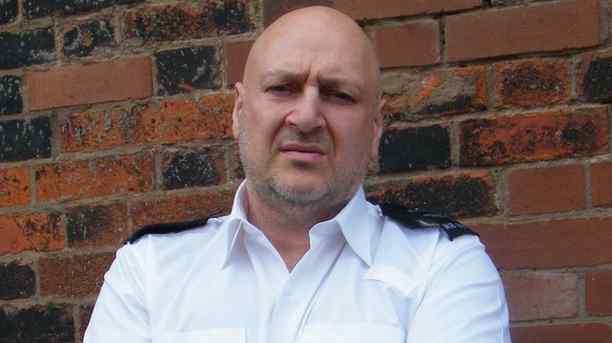
The British prison system has long been the subject of debate, scrutiny, and reform. Yet few voices carry the weight of lived experience quite like Neil Samworth, a former prison officer whose career inside one of the United Kingdom’s most notorious institutions offers a rare and gripping perspective. Through his writing and public commentary, Neil Samworth has brought the realities of prison life—often hidden from public view—into sharp focus.
Early Life and Career Path
A Journey into the Prison Service
Before becoming widely recognised as an author, Neil Samworth embarked on a career in the prison service with a sense of duty and curiosity. Like many who join the profession, he entered the system with the intention of maintaining order and contributing to rehabilitation efforts.
His early years in the role involved adapting to a demanding environment that required both physical resilience and emotional strength. Working in prisons is far from a routine job; it involves constant vigilance, negotiation, and exposure to challenging situations. These early experiences laid the foundation for his later reflections on the system.
Training and Initial Expectations
Training for prison officers in the UK prepares recruits for a range of scenarios, but nothing can fully replicate the intensity of real-life conditions. For Neil Samworth, the transition from training to active duty marked the beginning of a deeply transformative journey. Expectations of discipline and structure were soon confronted by the unpredictable nature of prison life.
Life at HMP Manchester (Strangeways)
A Notorious Institution
HMP Manchester, commonly known as Strangeways, is one of the most well-known prisons in the UK. Its history includes riots, overcrowding, and ongoing concerns about safety and rehabilitation. For Neil Samworth, working within its walls meant navigating a complex and often volatile environment.
Daily Challenges Inside the Prison
Life inside Strangeways is far removed from public perception. Officers face:
- Frequent incidents of violence
- Mental health crises among inmates
- Substance abuse and contraband issues
- Overcrowded conditions
Neil Samworth witnessed these realities firsthand. His accounts reveal a system under strain, where officers must balance authority with empathy while managing significant risks.
Human Stories Behind the Walls
One of the most compelling aspects of Neil Samworth’s narrative is his ability to humanise both staff and prisoners. He highlights that many inmates come from troubled backgrounds, often shaped by poverty, addiction, or trauma. At the same time, officers themselves endure psychological pressures that are rarely acknowledged.
The Turning Point: Injury and Aftermath
A Life-Changing Incident
During his service, Neil Samworth experienced a serious assault by a prisoner. This incident marked a turning point in his life and career. Such attacks are not uncommon in high-security prisons, but the consequences can be profound.
The physical injuries were significant, but the psychological impact proved equally challenging. The experience ultimately led to his departure from the prison service.
Coping with Trauma
After leaving his role, Neil Samworth faced the difficult process of recovery. Post-traumatic stress disorder (PTSD) is a reality for many frontline workers, yet it often goes unspoken. His openness about these struggles has contributed to broader awareness of mental health issues among prison staff.
Transition to Writing
From Officer to Author
Following his departure from the prison service, Neil Samworth turned to writing as a means of processing his experiences. What began as personal reflection evolved into a powerful literary voice.
His writing stands out for its honesty and detail. Rather than sensationalising events, he presents them with clarity and authenticity, allowing readers to understand the complexities of prison life.
Purpose and Motivation
The motivation behind his work extends beyond storytelling. Neil Samworth aims to:
- Shed light on systemic issues within prisons
- Give a voice to prison officers
- Encourage informed discussion about reform
His books serve as both memoir and social commentary, bridging the gap between personal experience and public discourse.
Major Works and Their Impact
Strangeways: My Life as a Prison Officer
This debut work is perhaps the most well-known contribution by Neil Samworth. Based on diary entries and personal recollections, it offers an unfiltered look at daily life inside a British prison.
Key Themes
- Violence and control within prison walls
- The emotional toll on officers
- Institutional challenges and limitations
The book has been praised for its realism and depth, resonating with readers interested in true crime and social issues alike.
Strangeways Unlocked
As a follow-up, this work expands on earlier themes while introducing new insights. It delves deeper into systemic problems and reflects on changes within the prison system over time.
Continued Relevance
Through this book, Neil Samworth reinforces the importance of addressing underlying issues such as overcrowding and inadequate resources. His observations remain relevant in ongoing discussions about prison reform.
Insights into the UK Prison System
Structural Challenges
The experiences shared by Neil Samworth highlight several persistent issues:
- Overcrowding leading to increased tension
- Limited access to rehabilitation programmes
- Understaffing and resource constraints
These factors contribute to an environment where both inmates and staff face significant challenges.
The Role of Prison Officers
Prison officers play a crucial role in maintaining order and supporting rehabilitation. However, their work is often misunderstood or undervalued. Neil Samworth emphasises the complexity of the role, which requires:
- Conflict resolution skills
- Emotional resilience
- Ethical judgement
His insights underscore the need for better support and recognition for those in the profession.
Mental Health Considerations
Mental health is a recurring theme in his work. Both prisoners and staff are affected by the pressures of the environment. Neil Samworth’s openness about PTSD has helped bring attention to the need for improved mental health support systems.
Public Reception and Influence
Reader and Critical Response
The writings of Neil Samworth have received strong responses from readers and critics. Many appreciate the authenticity of his voice and the depth of his observations.
His books are often described as:
- Eye-opening
- Thought-provoking
- Emotionally engaging
They have contributed to a broader understanding of prison life in the UK.
Contribution to Public Debate
Beyond literature, Neil Samworth has influenced discussions about criminal justice. His experiences provide valuable insights for policymakers, researchers, and the general public.
By sharing his story, he has helped to highlight areas in need of reform and encouraged more informed conversations about the future of the prison system.
Broader Reflections on Justice and Rehabilitation
Balancing Punishment and Reform
A key theme in the work of Neil Samworth is the tension between punishment and rehabilitation. While prisons are designed to enforce consequences, they also have a responsibility to prepare individuals for reintegration into society.
His observations suggest that achieving this balance remains a significant challenge.
The Human Element
Perhaps the most important takeaway from his work is the emphasis on humanity. Both prisoners and officers are individuals shaped by their experiences. Recognising this complexity is essential for meaningful reform.
Neil Samworth consistently highlights the importance of empathy, understanding, and accountability within the system.
Frequently Asked Questions
Who is Neil Samworth?
Neil Samworth is a former British prison officer and author known for his firsthand accounts of working at HMP Manchester, also known as Strangeways.
What books has Neil Samworth written?
He has written memoir-style books about his experiences, including Strangeways: My Life as a Prison Officer and Strangeways Unlocked.
Why did Neil Samworth leave the prison service?
He left after being seriously injured in an assault by a prisoner, which also led to long-term psychological effects.
What makes his work unique?
His writing is based on real-life experiences, offering an honest and detailed look at the challenges faced by prison officers in the UK.
What issues does he highlight in the prison system?
He discusses overcrowding, violence, mental health challenges, and the need for better support for both staff and inmates.
Conclusion
Neil Samworth stands as a compelling voice in the conversation about the British prison system. Through his experiences and writing, he has illuminated the realities of life behind bars, offering insights that are both sobering and essential.
His work goes beyond personal narrative, serving as a catalyst for reflection and debate. By bringing attention to the challenges faced by prison officers and inmates alike, he has contributed meaningfully to discussions about justice, reform, and humanity.