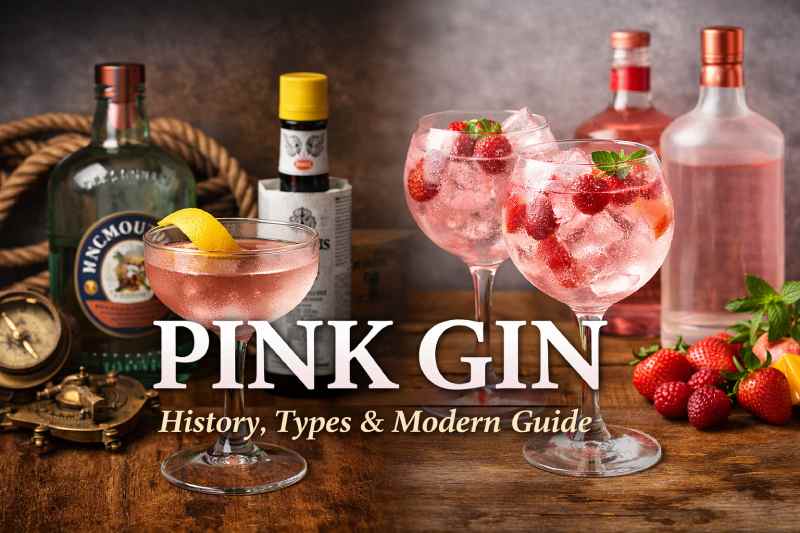
Pink Gin is far more than a visually appealing drink with a rosy hue. It is a cocktail steeped in history, shaped by necessity, and reimagined for modern tastes. From its origins aboard naval ships to its place in contemporary bars and social gatherings, Pink Gin has evolved into a symbol of both tradition and innovation.
The Origins of Pink Gin
A Naval Beginning
The story of Pink Gin begins in the 19th century, where it was first consumed by sailors in the British Royal Navy. Life at sea was challenging, and maintaining good health was a constant concern. Among the remedies used at the time were aromatic bitters, believed to aid digestion and relieve nausea.
These bitters, though effective, were notoriously unpleasant in taste. To make them more palatable, sailors began mixing them with gin. This combination not only improved the flavour but also created a distinct pink tint, giving rise to the name Pink Gin.
A Medicinal Drink Turned Social Staple
Initially consumed for health reasons, Pink Gin gradually transitioned into a social drink. Officers and sailors alike began to appreciate the blend for its warming effect and subtle complexity. Over time, what started as a medicinal mixture became a recognised cocktail enjoyed beyond naval circles.
What Defines the Classic Pink Gin
Simplicity at Its Core
The traditional version of Pink Gin is defined by its simplicity. It typically consists of just two ingredients:
A quality gin, often a London Dry or Plymouth style
A few dashes of aromatic bitters
This minimalist approach allows the character of the gin to shine through, while the bitters add depth and a slight spice.
Serving Style
Classic Pink Gin is usually served in a chilled glass, either neat or with a small amount of water or ice. A twist of lemon peel is sometimes added to enhance the aroma, but the drink remains largely unadorned.
Flavour Profile
Unlike modern variations, the original Pink Gin is:
Dry rather than sweet
Slightly bitter
Aromatic and warming
It is a drink that appeals to those who appreciate subtlety and balance.
The Evolution into Modern Pink Gin
A Shift in Taste Preferences
As drinking culture evolved, so did the expectations of consumers. Many people began to favour lighter, sweeter, and more approachable beverages. This shift led to the transformation of Pink Gin into a flavoured spirit.
Modern Pink Gin is often infused with fruits such as strawberries, raspberries, or rhubarb. These additions not only enhance the colour but also introduce sweetness and a more refreshing taste.
The Rise of Flavoured Spirits
The popularity of flavoured spirits has played a significant role in the resurgence of Pink Gin. Distillers have embraced creativity, producing a wide range of variations that cater to different palates.
Today, Pink Gin is commonly enjoyed with tonic water, ice, and fresh fruit garnishes, making it a staple at social events and casual gatherings.
Key Differences Between Classic and Modern Styles
Ingredients
Classic Pink Gin: Gin and bitters
Modern Pink Gin: Gin infused with fruits or botanicals
Taste
Classic: Dry, bitter, and strong
Modern: Sweet, fruity, and refreshing
Presentation
Classic: Minimal and elegant
Modern: Colourful and decorative
Purpose
Classic: Originally medicinal
Modern: Primarily recreational
These differences highlight how Pink Gin has adapted to changing tastes while maintaining its identity.
How Pink Gin is Made Today
Traditional Preparation
To prepare a classic Pink Gin, a bartender typically follows these steps:
Chill the glass thoroughly
Add a few drops of aromatic bitters
Pour in the gin
Optionally add a lemon twist
This method preserves the integrity of the original recipe.
Modern Preparation
Modern Pink Gin can be served in a variety of ways:
Mixed with tonic water for a refreshing drink
Served over ice with fruit garnishes
Used as a base for cocktails
The versatility of Pink Gin makes it suitable for both simple and elaborate presentations.
Why Pink Gin Remains Popular
Visual Appeal
One of the most striking features of Pink Gin is its colour. The soft pink hue makes it visually appealing and instantly recognisable. In a world where presentation matters, this aesthetic quality contributes significantly to its popularity.
Versatility
Pink Gin can be enjoyed in multiple ways, from a traditional neat serve to a modern cocktail. This adaptability allows it to appeal to a wide audience.
Balance of Tradition and Innovation
Perhaps the most compelling reason for the enduring popularity of Pink Gin is its ability to balance tradition with innovation. It honours its historical roots while embracing contemporary trends.
Cultural Significance
A British Heritage
Pink Gin is closely associated with British culture, particularly its naval history. It represents a time when practicality and ingenuity shaped everyday life.
A Global Favourite
Today, Pink Gin is enjoyed worldwide. Its modern variations have made it accessible to a broader audience, transcending its original context.
When and How to Enjoy Pink Gin
Occasions
Pink Gin is suitable for a variety of occasions, including:
Casual gatherings with friends
Summer parties
Evening relaxation
Pairings
Modern Pink Gin pairs well with:
Light appetisers
Fresh fruits
Salads and seafood
The classic version, on the other hand, is best enjoyed on its own, allowing its flavours to be fully appreciated.
Common Misconceptions About Pink Gin
It Has Always Been Sweet
Many people assume that Pink Gin has always been a sweet, fruity drink. In reality, the original version was quite the opposite.
It Is a Modern Invention
Although modern variations are recent, Pink Gin itself has a long history dating back to the 19th century.
It Is Only for Casual Drinkers
While modern Pink Gin is approachable, the classic version appeals to those with a refined palate.
FAQs
What is the difference between Pink Gin and regular gin?
Pink Gin refers either to a cocktail made with gin and bitters or to a flavoured gin infused with fruits, whereas regular gin is a neutral spirit with botanical flavours.
Is Pink Gin always sweet?
No, the original Pink Gin is dry and slightly bitter. Sweetness is a feature of modern versions.
Can Pink Gin be used in cocktails?
Yes, modern Pink Gin is often used as a base for cocktails due to its fruity flavour and vibrant colour.
What garnish works best with Pink Gin?
Fresh fruits such as strawberries or a twist of lemon peel are commonly used, depending on the style.
Is Pink Gin suitable for beginners?
Modern Pink Gin is ideal for beginners because of its light and refreshing taste, while the classic version may suit more experienced drinkers.
Conclusion
Pink Gin is a remarkable example of how a simple idea can evolve into a global phenomenon. From its humble beginnings as a medicinal mixture aboard naval ships to its current status as a fashionable and versatile drink, it has undergone a fascinating transformation.
What makes Pink Gin truly special is its dual identity. It honours a rich historical tradition while embracing modern innovation, offering something for everyone. Whether enjoyed in its original form or as a fruity contemporary variation, Pink Gin continues to captivate drinkers with its unique character and enduring charm.