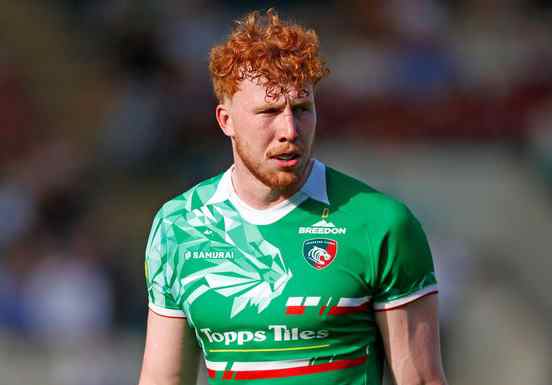
Lewis Chessum has emerged as one of the most intriguing young forwards in English rugby. Tall, athletic and tactically mature beyond his years, he represents the modern evolution of the lock position. In a country that values physical dominance up front, his rise through the ranks has attracted growing attention from supporters, coaches and pundits alike.
Still at the beginning of his professional journey, Lewis Chessum has already demonstrated leadership qualities and technical intelligence that mark him out as more than simply a promising prospect. From grassroots rugby in Lincolnshire to elite competition with Leicester Tigers and England’s age-grade sides, his development reflects both hard work and a strong rugby upbringing.
Early Life and Sporting Roots
Growing Up in Lincolnshire
Born on 27 February 2003 in Boston, Lincolnshire, Lewis Chessum was raised in a rural environment where sport played a central role in community life. He grew up in Aunsby, near Sleaford, attending Carre’s Grammar School — an institution with a proud sporting tradition.
Like many young athletes, he did not limit himself to a single discipline during childhood. Football and cricket were part of his early sporting experiences, helping him develop coordination and competitive instincts. However, rugby soon became the primary focus.
Rugby Beginnings at Grassroots Level
Lewis Chessum began playing rugby at Sleaford RFC around the age of nine. The club environment instilled the core principles of the game: discipline, teamwork and resilience. Coaches recognised his unusual height at an early stage, but rather than relying solely on physical advantage, they encouraged skill development and positional awareness.
Those formative years were crucial. Instead of being rushed into specialisation, he was allowed to enjoy the sport and build fundamentals — a factor often overlooked when assessing elite pathways.
A Rugby Family Influence
A key part of his journey is his rugby lineage. His older brother, Ollie Chessum, progressed into the England senior side and Premiership rugby before him. Growing up in a competitive but supportive household shaped his mentality.
Rather than creating pressure, this family dynamic appears to have provided motivation. Observing elite standards at close quarters offered Lewis Chessum insight into what professional commitment truly requires.
Physical Profile and Athletic Attributes
At approximately 6 ft 9 in (2.06 metres) and around 120 kilograms, Lewis Chessum possesses the frame traditionally associated with elite second-row forwards. Yet modern rugby demands more than size.
Height and Lineout Dominance
His reach makes him a natural lineout asset. Timing, body positioning and coordination are essential in aerial contests, and he has shown strong technical execution in this area. Height alone does not guarantee success; it must be paired with reading of opposition movement and clear communication with lifters.
Mobility and Work Rate
One of the defining features of Lewis Chessum is mobility. He covers ground effectively in open play, contributes in wide channels and maintains work rate across eighty minutes. In today’s Premiership environment, locks are expected to carry, tackle, clean out rucks and offer support lines — not simply anchor the scrum.
Leadership Presence
Even during his England Under-20 tenure, he displayed composure and authority. Teammates have spoken about his calm communication under pressure, suggesting that leadership may become a defining element of his career.
Leicester Tigers Academy and Professional Breakthrough
Entry into the Tigers Pathway
Leicester Tigers have long been renowned for producing elite forwards. The club’s academy system places strong emphasis on technical discipline and physical conditioning. Lewis Chessum entered this environment in 2019, stepping into one of English rugby’s most demanding development structures.
Training alongside experienced internationals sharpened his understanding of Premiership standards. Strength and conditioning programmes refined his power output, while tactical sessions improved his breakdown work and defensive alignment.
Senior Debut and Early Impressions
His senior debut during the 2021–22 season represented a significant milestone. Transitioning from academy rugby to Premiership intensity is never straightforward. The pace increases, collisions are heavier and mistakes are punished ruthlessly.
Lewis Chessum adapted steadily, earning minutes off the bench before beginning to feature more regularly. Coaches valued his lineout reliability and defensive consistency — two qualities essential for any aspiring international lock.
Loan Experience and Game Time
To accelerate development, he gained additional experience through loan spells, including time in the English Championship. These opportunities allowed him to accumulate match minutes and shoulder responsibility.
Regular starting roles sharpened decision-making and physical resilience. For young forwards, exposure to varied playing styles is invaluable, and Lewis Chessum benefited from experiencing both Premiership and Championship rugby contexts.
International Pathway with England
England Under-20 Leadership
Representing England at Under-20 level is a crucial stepping stone towards senior honours. Lewis Chessum not only featured prominently but also captained the side during major tournaments.
The Under-20 Six Nations and the World Rugby U20 Championship provided a platform to test himself against top international prospects. Leadership at this level indicates not only playing ability but also emotional maturity.
Tactical Growth at International Level
International rugby requires rapid adaptation. Opponents vary stylistically — from powerful southern hemisphere packs to technically disciplined European units. Lewis Chessum demonstrated growing tactical awareness, adjusting his defensive positioning and set-piece timing accordingly.
Such exposure builds confidence and game intelligence, both essential for progression into the senior England setup.
Playing Style Analysis
Defensive Organisation
Locks are central to defensive structures. They organise spacing near the ruck and contribute significantly to tackle counts. Lewis Chessum reads attacking shapes effectively and rarely overcommits, maintaining structural integrity.
Ball Carrying and Breakdown Impact
Modern second rows must offer carrying options. He carries upright yet controlled, generating front-foot momentum without sacrificing ball security. At the breakdown, he commits efficiently rather than recklessly, prioritising quick recycle.
Set-Piece Intelligence
Set-piece excellence remains the backbone of Premiership rugby. Lewis Chessum has developed sophisticated lineout calling capabilities and understands opposition defensive patterns, enhancing his strategic value.
Mental Strength and Professionalism
Elite rugby careers are shaped as much by mentality as by physical attributes. From academy days to international youth captaincy, Lewis Chessum has exhibited disciplined professionalism.
He appears grounded, avoiding unnecessary hype while focusing on incremental improvement. Such mindset often separates long-term internationals from short-lived prospects.
The Modern English Lock Context
England’s second-row tradition is formidable. From Martin Johnson to Courtney Lawes, the position has produced iconic figures. Emerging in this environment demands not only skill but consistency.
Lewis Chessum enters a competitive landscape. However, age is on his side, and structured development at Leicester Tigers provides a stable platform for gradual progression.
Future Prospects
Senior England Aspirations
If development continues steadily, senior international recognition seems plausible. Physical profile, youth leadership and Premiership exposure collectively strengthen his case.
Areas for Continued Growth
Like any young forward, refinement is ongoing. Enhancing ball-handling under pressure and expanding attacking distribution could elevate his impact further. Increased exposure to European competition would also broaden tactical experience.
Long-Term Potential
Given his trajectory, Lewis Chessum may become a central figure in England’s forward planning over the next decade. Longevity will depend on injury management, adaptation and sustained work ethic.
Frequently Asked Questions
How old is Lewis Chessum?
He was born on 27 February 2003, placing him among the younger generation of Premiership forwards.
What position does Lewis Chessum play?
He plays as a lock, also known as a second-row forward.
Which club does Lewis Chessum represent?
He is part of the Leicester Tigers professional squad.
Has Lewis Chessum captained England?
Yes, he captained England at Under-20 level during major youth tournaments.
Is Lewis Chessum related to another professional player?
He is the younger brother of England international Ollie Chessum.
Conclusion
Lewis Chessum stands as one of England’s most promising young locks, combining imposing stature with modern athletic mobility. His journey from Lincolnshire grassroots rugby to Premiership competition illustrates the strength of England’s development pathways. Leadership at youth international level signals more than talent; it reflects character.
While senior international consolidation remains ahead, the foundations are firmly in place. If progress continues at its current pace, English rugby supporters may well witness Lewis Chessum evolve into a defining second-row presence for club and country in the years to come.