Dave Swindlehurst: A Respected English Footballer Whose Career Spanned Grit, Skill, and Dedication

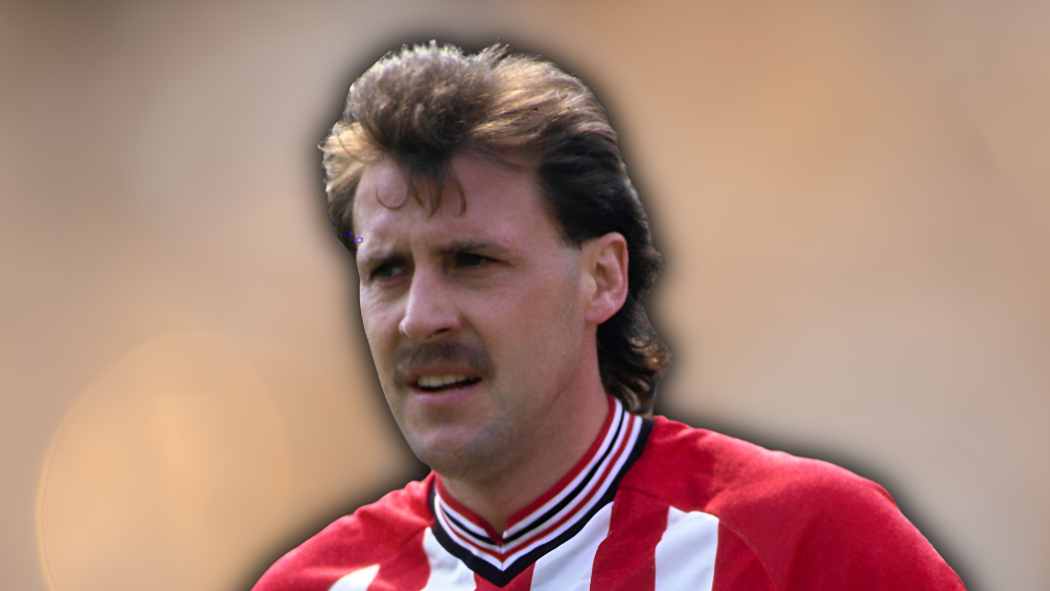
The history of English football is built not only on global superstars but also on reliable, hardworking professionals who gave everything for their clubs and supporters. One such name is Dave Swindlehurst, a forward whose career stretched across the competitive landscape of English football during the 1970s and 1980s. Known for his intelligent movement, honest work rate, and ability to contribute goals at crucial moments, Swindlehurst represents an era when football was raw, physical, and deeply connected to local communities.
Early Life and Football Beginnings
Dave Swindlehurst was born on 6 January 1956 in Edgware, England, at a time when football was woven tightly into everyday British life. Like many boys of his generation, his introduction to the game came through school football and local matches, played on rough pitches that demanded resilience as much as skill.
From an early age, Swindlehurst showed natural athletic ability combined with a strong understanding of the game. He was not simply a goal poacher but a forward who read situations well, anticipated defenders’ movements, and made intelligent runs. These qualities helped him stand out at youth level and eventually earn a place within a professional club’s system.
Breaking Through at Crystal Palace
Dave Swindlehurst’s professional journey began at Crystal Palace, the club where he progressed from youth football into the senior team. Palace in the 1970s was a club on the rise, hungry for success and willing to give young players opportunities if they showed commitment and consistency.
Swindlehurst made his senior debut as a teenager and quickly adapted to the physical demands of professional football. Playing as a striker, he developed a reputation for being dependable rather than flashy. He worked tirelessly off the ball, linked play effectively, and contributed goals during important phases of matches.
His time at Crystal Palace coincided with a period of growth and ambition for the club. Promotion campaigns, tough league battles, and memorable cup fixtures all formed part of his early professional experience. For many supporters, Swindlehurst became associated with a hardworking Palace side that embodied determination and unity.
Playing Style and Strengths
Dave Swindlehurst was not the type of forward who relied purely on pace or trickery. Instead, his strengths lay in football intelligence, positioning, and effort. He understood how to occupy defenders, create space for teammates, and press opponents when the team was out of possession.
Physically, he was well suited to English football of that era. Matches were often intense, with heavy challenges and minimal protection from referees. Swindlehurst handled these conditions with professionalism, rarely shying away from physical contests and consistently putting the team first.
His finishing was reliable rather than spectacular, but that reliability made him valuable. Managers could trust him to follow tactical instructions, maintain discipline, and contribute steadily across a long season.
Move to Derby County and Career Progression
After establishing himself at Crystal Palace, Swindlehurst moved on to Derby County, another club with a proud history and strong expectations. This move represented an important step in his career, exposing him to a different footballing environment and higher levels of pressure.
At Derby, he continued to demonstrate professionalism and adaptability. Although competition for places was fierce, Swindlehurst applied himself fully, earning respect within the squad. His experience at multiple clubs helped him mature as a player and develop a broader understanding of tactical systems and managerial styles.
Time at West Ham United
One of the most notable chapters of Dave Swindlehurst’s career came during his time at West Ham United. West Ham has long been associated with traditional English football values, strong local identity, and demanding supporters.
Playing for such a club required not only technical ability but mental strength. Swindlehurst approached the challenge with the same work ethic that defined his career. While he may not have been the most prolific scorer in West Ham’s history, his contribution was valued by teammates and coaching staff.
His presence added depth and reliability to the squad, particularly during long league campaigns where consistency was essential. For many players of his generation, representing a club like West Ham was an achievement in itself.
Sunderland and Further Club Experiences
Swindlehurst’s career also included a spell at Sunderland, another historic club with a passionate fan base. Playing in different regions of England exposed him to varied football cultures, each with its own expectations and pressures.
At Sunderland, he continued to offer experience and leadership, particularly valuable to younger players entering the professional game. His understanding of match situations, training discipline, and professional standards made him a useful figure both on and off the pitch.
Later in his career, he also played for clubs such as Wimbledon and Colchester United, as well as a loan spell at Peterborough United. Each move reflected the life of a committed professional footballer willing to contribute wherever needed.
Overseas Experience in Cyprus
A unique aspect of Dave Swindlehurst’s career was his time playing overseas in Cyprus. For English players of his era, moving abroad was far less common than it is today. Such a move required adaptability, openness to new cultures, and willingness to step outside familiar surroundings.
Playing in Cyprus offered Swindlehurst a different footballing rhythm and style. It broadened his perspective on the game and added an international dimension to his career. This experience highlighted his flexibility and desire to continue playing at a competitive level even late into his professional journey.
International Recognition at Youth Level
Although Dave Swindlehurst did not earn a full senior England cap, he represented England at youth and under-21 levels. This recognition reflected the promise he showed early in his career and the regard in which he was held by national selectors during his developmental years.
International youth football exposed him to elite-level competition and helped sharpen his tactical awareness. It also placed him among a generation of players who would go on to shape English football across multiple divisions.
Transition from Player to Coach
After retiring from professional football in the late 1980s, Swindlehurst remained involved in the game. Like many former players, he turned to coaching and management, particularly within non-league football and youth development.
His coaching roles included work with non-league clubs, where experience and practical knowledge are often more valuable than reputation alone. He also returned to Crystal Palace in coaching capacities, contributing to the development of younger players.
Swindlehurst’s transition into education and youth football reflected his belief in passing on knowledge and maintaining football’s grassroots foundations. His calm, disciplined approach made him well suited to mentoring roles.
Character and Reputation
Throughout his career, Dave Swindlehurst earned a reputation as a consummate professional. He was never associated with controversy, extravagant lifestyles, or disruptive behaviour. Instead, he represented reliability, humility, and dedication.
Teammates often described him as approachable and supportive, while managers valued his willingness to follow instructions and set an example in training. For supporters, he embodied the type of player who might not always steal headlines but consistently gave honest performances.
Football in the Era of Swindlehurst
To fully appreciate Dave Swindlehurst’s career, it is important to understand the era in which he played. Football during the 1970s and 1980s was physically demanding, tactically evolving, and played on pitches that tested even the most skilled players.
There was less protection for forwards, fewer substitutions, and far greater emphasis on endurance and toughness. Swindlehurst’s ability to sustain a long professional career under these conditions speaks volumes about his resilience and commitment.
Legacy and Lasting Impact
Dave Swindlehurst may not feature prominently in global football debates, but his legacy lies in consistency and professionalism. He represents thousands of players who formed the backbone of English football, ensuring high standards across leagues and generations.
His contribution to clubs, youth development, and football education ensures that his influence extends beyond goals and appearances. For aspiring players, his career offers an important lesson: success in football is not defined only by fame, but by dedication, adaptability, and respect for the game.
Conclusion
Dave Swindlehurst’s story is one of steady achievement, quiet determination, and lasting respect. From his early days at Crystal Palace to his experiences across England and abroad, he demonstrated what it means to be a true professional footballer. His journey reflects the values that have long defined English football: hard work, loyalty, and commitment to improvement.
In an age where football often focuses on celebrity and spectacle, the career of Dave Swindlehurst stands as a reminder that the game’s true strength lies in players who serve it with integrity. His name remains respected by those who understand football not just as entertainment, but as a lifelong craft.