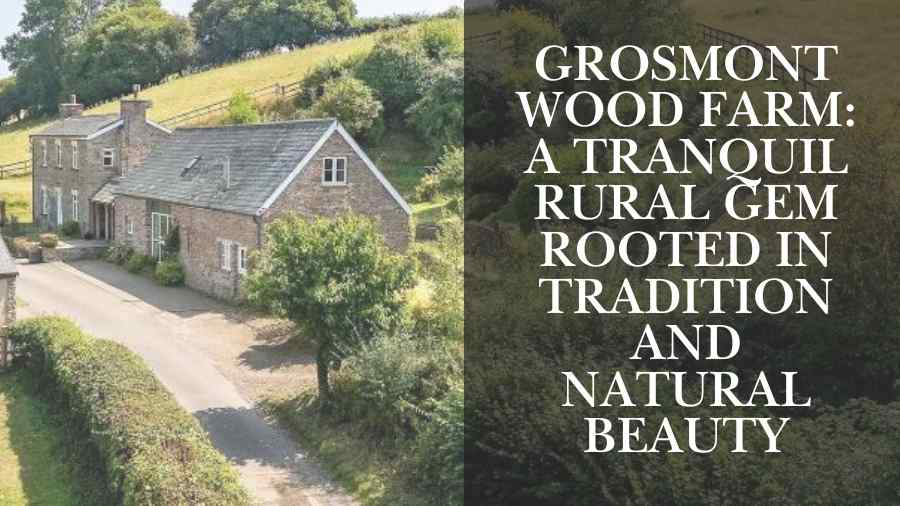
Grosmont Wood Farm is a name that gently ripples across the quiet countryside of Monmouthshire, carrying with it images of rolling hills, open pastures, and the timeless rhythm of rural life. This farm is more than a piece of land; it is a living landscape where nature, history, and agriculture continue to weave together in harmony. Set near the charming village of Grosmont, the farm reflects the deeply rooted agricultural heritage of Wales, where farming has shaped families, sustenance, and communities for centuries.
In the heart of this region, Grosmont Wood Farm stands out as a peaceful environment where the land is not just used, but respected. The farm showcases the kind of slow, attentive lifestyle that many have begun to seek again in an increasingly fast-paced world. For visitors, locals, or those simply curious about rural heritage, it offers insight into sustainable farm operation, natural scenery, and the quiet beauty of countryside living.
The Setting and Surrounding Landscape
The farm is located among scenic hills and woodlands, where the air is fresh and the sky appears larger than one might expect. Monmouthshire is known for its varied terrain, and Grosmont Wood Farm enjoys a blend of open fields and forested pockets. These surroundings are not just beautiful; they are ecologically valuable.
The woodlands help maintain soil health, promote biodiversity, and provide habitats for wildlife such as owls, badgers, deer, and numerous birds. The quiet ambience invites slow walks, contemplation, and the kinds of conversations that only seem possible in peaceful landscapes. Throughout the year, the farm experiences different seasonal expressions: spring brings a brightening of fields and hedgerows, summer glows golden in the warm light, autumn offers a festival of oranges and browns, and winter stands calm and watchful.
A Farm Rooted in Agricultural Heritage
Farms like Grosmont Wood Farm are products of long-standing agricultural practices. Generations of Welsh farmers have shaped the land through rotating crops, managing livestock, and caring deeply for soil and water quality. While technology may have evolved, the foundational values remain the same: patience, understanding of the land, and respect for natural cycles.
Traditionally, such farms raise cattle or sheep, produce dairy, grow feed, and maintain woodland for both heritage and practical use. Grosmont Wood Farm reflects these traditions through its land management approach, valuing sustainability and responsible stewardship. Farming in this region often means adapting to both the land’s opportunities and its limitations, and the families who run farms here tend to have a strong sense of belonging to the place they work.
The Importance of Rural Farms to Local Communities
Farms like Grosmont Wood Farm contribute significantly to the fabric of local life. They produce food that supports families, market stalls, village shops, and neighbouring towns. They help preserve open spaces that define the character of Wales. They offer employment and help sustain community identity.
Moreover, farms play an invisible but powerful role in education. They teach children about where food comes from, the importance of natural resources, and the balance between human activity and ecological care. Many people today are seeking to reconnect with nature, and farms provide a bridge between modern living and the living world.
Nature and Wildlife Stewardship
One of the most notable aspects of Grosmont Wood Farm’s landscape is its woodland. Wooded areas are essential reservoirs of life. Birds nest among the leaves, insects nourish the ecosystem, small mammals burrow in safety, and the trees themselves act as guardians of the soil.
The woodland also supports pollinators, which are vital for farmland productivity. Bees, butterflies, and hoverflies all contribute to the success of crops and pastures. By protecting woodland, the farm sustains not only its own future productivity, but also contributes to broader environmental health.
Rural farms that maintain woodland create a mosaic of habitats, increasing biodiversity far beyond what monoculture farming could offer. This balance supports nature’s resilience and strengthens the rural environment overall.
Sustainable Agricultural Practices
Modern farming increasingly requires a thoughtful approach to sustainability. Farms like Grosmont Wood Farm exemplify a shift toward farming in harmony with nature. This includes practices such as:
- Rotational grazing to prevent overuse of grassland
- Water conservation to ensure rivers and streams remain healthy
- Soil enrichment techniques, such as composting and natural fertilisers
- Preservation of hedgerows, which act as wildlife corridors
- Use of renewable energy where possible, such as solar or wind support systems
These practices protect the land while allowing farmers to continue working it productively. Sustainability is not a trend in the countryside; it is a necessity.
The Human Story Behind the Farm
Every farm holds the story of the people who live and work on it. Life at Grosmont Wood Farm, like many rural farms, likely involves early mornings, steady routines, and seasonal rhythms. The work requires resilience, patience, and dedication, and it often runs across generations. Family farms are more than businesses; they are legacies.
The effort to manage land, care for animals, maintain equipment, and respond to weather challenges is constant. Yet, it is also fulfilling. The satisfaction that comes from seeing fields grow, animals thrive, and nature flourish is one that urban living rarely replicates.
Visitors and Rural Experience
For many people, the charm of Grosmont Wood Farm lies in its ability to offer a retreat from urban intensity. Even simply passing by the farm or walking on public footpaths near it allows one to feel the gentle pace of rural life. Many visitors enjoy:
- Nature walks
- Bird watching
- Photography of countryside scenery
- Studying local flora and fauna
- Observing seasonal changes
Being in nature has been shown to reduce stress, enhance mental clarity, and improve emotional balance. Farms like Grosmont Wood Farm offer these benefits effortlessly.
An Example of Wales’ Living Rural Identity
Grosmont Wood Farm represents a piece of Wales’ proud rural identity. It connects cultural memory with modern agricultural practice. It shows the continued importance of countryside landscapes in providing food, community connection, and natural sanctuary.
Wales is known for its love of land and heritage, and farms are central to that identity. Grosmont Wood Farm stands as part of a collective landscape that defines the character of the nation.
Conclusion
Grosmont Wood Farm is more than just farmland. It is a place shaped by nature, guided by tradition, and sustained by the thoughtful work of those who care for it. Surrounded by woodlands and peaceful countryside, the farm reflects the deep connection between people and land that continues to define rural Wales. With its respect for natural systems, preservation of wildlife habitats, and contribution to the local community, Grosmont Wood Farm stands as a quiet but meaningful example of sustainable rural life.
In a fast-moving world, farms like Grosmont Wood Farm remind us that there is value in harmony, patience, and stewardship. They show that the land is not simply something we use, but something we live alongside, learn from, and protect.