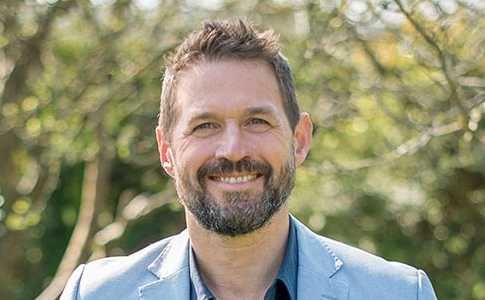
Alistair Appleton was born on February 12, 1970, in Kent, England, into a family that valued education, reflection, and meaningful conversation. His upbringing was not defined by fame or public attention but by intellectual curiosity and emotional awareness. These early influences would later become central to both his broadcasting style and his therapeutic approach.
Within his family context, names such as Sally Appleton and Peter Appleton are often associated with his roots, representing the stable and supportive environment in which he grew up. While they are not widely documented public figures, their presence in his life reflects a grounded upbringing that contrasts with the often high-pressure world of television. This balance between normalcy and ambition played a key role in shaping his personality.
Academic Exploration and Personal Growth
Appleton’s university years were marked by more than academic success. Cambridge exposed him to a wide range of philosophical ideas, cultural perspectives, and artistic influences. He became deeply interested in literature, language, and the ways in which stories shape human understanding. This interest would later translate into his ability to communicate complex ideas in simple, engaging ways.
During this period, he also began to understand his own identity more clearly. Coming out as gay during his university years was a significant personal milestone. It required courage and self-reflection, and it contributed to his later openness when discussing mental health and personal growth. His experiences during this time helped him develop empathy, a quality that would become essential in his work as a psychotherapist.
After completing his studies, Appleton chose not to follow a conventional career path. Instead, he moved abroad to explore new opportunities. This decision reflected his willingness to step outside comfort zones and embrace uncertainty—traits that would later define both his personal and professional life.
Early Career in Europe and Broadcasting Foundations
Following his graduation, Appleton moved to Germany and Poland, where he worked as an English teacher and explored creative pursuits such as poetry and journalism. Living abroad allowed him to immerse himself in different cultures and languages, broadening his perspective in ways that would later enrich his broadcasting career.
His entry into television came through Deutsche Welle, where he hosted youth-oriented programs. This role was crucial in helping him develop on-screen confidence and refine his communication skills. Unlike many presenters who begin their careers domestically, Appleton’s international start gave him a unique edge.
Working in European media also taught him adaptability. He learned how to engage with diverse audiences, adjust his presentation style, and communicate effectively across cultural boundaries. These skills would later become invaluable when he returned to the UK and began working on mainstream television programs.
Establishing a Strong Presence on British Television
Appleton’s return to the UK marked the beginning of a successful and enduring television career. He quickly became a familiar face on several popular programs, earning recognition for his calm demeanor and articulate presentation style. His ability to connect with audiences in a genuine and approachable way set him apart from many of his contemporaries.
One of his most notable roles has been on Escape to the Country, where he helps individuals and families find homes in rural areas. The show requires not only knowledge of property and geography but also the ability to understand people’s aspirations and emotions. Appleton’s empathetic nature makes him particularly well-suited to this role.
In addition to this flagship program, he has appeared on shows such as Cash in the Attic and House Doctor. These roles showcased his versatility as a presenter, allowing him to explore different formats while maintaining a consistent and trustworthy on-screen presence.
A Turning Point: Moving Toward Psychotherapy
Despite his success in television, Appleton felt a growing desire to explore deeper aspects of human experience. In his late 30s, he began to shift his focus toward mental health and emotional wellbeing. This transition was not driven by dissatisfaction with his media career but by a genuine interest in understanding the human mind.
He undertook formal training in psychotherapy and eventually became accredited by the UK Council for Psychotherapy. This was a significant commitment that required years of study, supervision, and personal reflection. It marked a new chapter in his life, one that would run parallel to his work in television.
Appleton’s decision to become a psychotherapist reflects his willingness to evolve and pursue meaningful work. Rather than remaining confined to a single professional identity, he chose to expand his skills and explore new ways of helping others. This dual career path is one of the most distinctive aspects of his life story.
Integrating Mindfulness and Therapeutic Practice
A key element of Appleton’s approach to psychotherapy is his integration of mindfulness and meditation. He has been deeply influenced by Buddhist practices, which emphasize awareness, compassion, and the present moment. These principles align closely with modern therapeutic techniques and enhance his work with clients.
He developed a model that combines traditional psychotherapy with mindfulness-based practices. This approach allows individuals to not only understand their thoughts and emotions but also develop practical tools for managing them. It reflects a holistic view of mental health that considers both psychological and spiritual dimensions.
Through workshops, retreats, and online platforms, Appleton has shared these practices with a wider audience. His work extends beyond one-on-one therapy sessions, reaching people who are interested in personal growth and self-awareness. This broader impact highlights his commitment to making mental health resources accessible and relatable.
Personal Life and Philosophy
Appleton’s personal life is closely aligned with his professional values. He has spoken openly about his experiences with stress and burnout, particularly during his 30s. These challenges prompted him to reevaluate his priorities and explore mindfulness practices, which ultimately transformed his outlook on life.
He is openly gay and has been in a long-term relationship with his husband, Daniel. His openness about his identity and experiences contributes to his authenticity and relatability. It also reinforces his commitment to honesty and self-acceptance, both of which are central themes in his work.
His philosophy emphasizes balance, awareness, and compassion. Whether he is presenting a television program or working with a therapy client, these principles guide his interactions. They also help explain why he has been able to maintain a successful career in two very different fields.
Influence and Public Perception
Over the years, Appleton has built a reputation as a thoughtful and grounded public figure. Unlike many television personalities who rely on charisma or controversy, he has cultivated a more subtle and enduring form of influence. His credibility comes from consistency, authenticity, and a genuine interest in people.
Audiences appreciate his calm and reassuring presence, particularly on shows like Escape to the Country. At the same time, those who engage with his work in psychotherapy value his depth and insight. This dual appeal allows him to connect with a wide range of individuals.
His influence also extends to discussions around mental health. By openly sharing his own experiences and promoting mindfulness practices, he contributes to a broader cultural shift toward greater awareness and acceptance of mental wellbeing.
The Unique Balance of Multiple Careers
One of the most remarkable aspects of Appleton’s life is his ability to balance multiple careers. Being both a successful broadcaster and a qualified psychotherapist requires time, discipline, and adaptability. It also requires a clear sense of purpose and direction.
Rather than viewing these roles as separate, Appleton integrates them in meaningful ways. His work in television benefits from his psychological insight, while his therapy practice is enriched by his communication skills and public engagement. This synergy allows him to excel in both areas without compromising either.
This balance also serves as an example for others who may feel constrained by traditional career paths. Appleton’s journey demonstrates that it is possible to pursue diverse interests and create a fulfilling professional life that reflects one’s values and passions.
FAQs
Who is Alistair Appleton?
Alistair Appleton is a British television presenter, psychotherapist, and mindfulness teacher best known for hosting Escape to the Country while also running a professional therapy practice.
What TV shows has Alistair Appleton appeared in?
He is most famous for Escape to the Country, but he has also appeared in shows like Cash in the Attic and House Doctor, building a strong presence in UK lifestyle television.
Is Alistair Appleton a qualified psychotherapist?
Yes, he is a fully trained and accredited psychotherapist with the UK Council for Psychotherapy, combining clinical therapy with mindfulness techniques.
How is Sally Appleton related to Alistair Appleton?
Sally Appleton is mentioned in relation to his family background, reflecting the supportive environment in which he was raised, alongside references to Peter Appleton.
What makes Alistair Appleton unique?
He stands out for successfully combining three careers—television presenting, psychotherapy, and mindfulness teaching—while maintaining authenticity in all fields.
Conclusion
Alistair Appleton’s story is one of curiosity, growth, and meaningful transformation. From his early life in Kent, shaped by influences such as Sally Appleton and Peter Appleton, to his academic journey at Cambridge and his international broadcasting career, each phase of his life has contributed to the person he is today.
What truly sets him apart is his willingness to evolve. Instead of remaining within the boundaries of television, he expanded into psychotherapy and mindfulness, creating a unique combination of skills and perspectives. This ability to bridge different worlds—media, psychology, and spirituality—makes him a distinctive and influential figure.