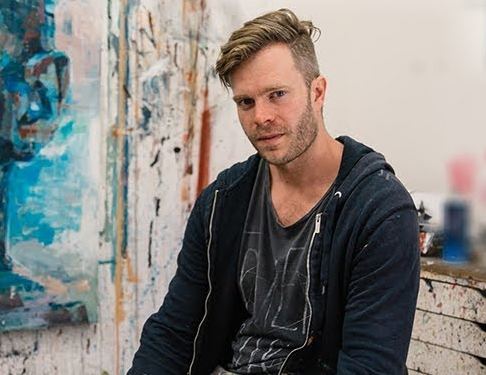
Joshua Miels is one of those contemporary artists whose work stops you mid-scroll or mid-gallery walk. His paintings don’t just sit quietly on a wall—they almost confront you. With distorted textures, layered faces, and a deep sense of emotional weight, his art feels alive in a way that’s hard to ignore. If you’ve ever looked at a portrait and felt like it was looking back at you, there’s a good chance you understand the kind of impact Miels aims to create.
What makes his work especially interesting is how it balances chaos and control. At first glance, his portraits might appear rough or even unfinished, but the longer you observe them, the more intentional every mark seems. This contrast is part of what defines his style. He doesn’t chase perfection; instead, he captures something far more complex—human vulnerability.
In today’s world of hyper-polished visuals and filtered realities, Joshua Miels stands out because he does the opposite. He leans into imperfection and discomfort, and that’s exactly what gives his work its strength. His paintings don’t just show faces—they reveal stories, emotions, and sometimes even internal struggles that words cannot fully express.
Early Life and Background
Joshua Miels was born and raised in Australia, and his creative journey didn’t follow a perfectly straight path. Like many artists, he didn’t start with global recognition or immediate success. Instead, his path was shaped by experimentation, persistence, and a willingness to evolve over time. His early exposure to art and design played a crucial role in shaping his visual instincts.
Before fully committing to painting, Miels worked in graphic design. This background gave him a strong understanding of composition, structure, and visual storytelling. However, while design provided stability, it didn’t fully satisfy his creative curiosity. Over time, he began to explore painting as a more personal and expressive medium, something that allowed him to go beyond client briefs and into deeper emotional territory.
His transition from design to fine art wasn’t just a career shift—it was a turning point in how he approached creativity. Painting gave him the freedom to experiment with texture, emotion, and abstraction in ways that design never could. This foundation still influences his work today, especially in how he balances structure with expressive chaos.
Artistic Style and Technique
Joshua Miels is best known for his distinctive use of texture and layering. His portraits often feature thick, almost sculptural applications of paint, creating a sense of depth that goes beyond the canvas. This technique, commonly associated with impasto, allows him to build faces that feel both constructed and deconstructed at the same time.
One of the most striking aspects of his work is his use of palette knives instead of traditional brushes. This choice gives his paintings a raw, fragmented appearance. The edges are rarely smooth, and the surfaces often look scraped, built up, and reshaped multiple times. This process reflects the complexity of human emotion—messy, layered, and constantly evolving.
Color also plays a crucial role in his style. Rather than sticking to realistic skin tones, Miels often introduces unexpected hues—blues, reds, yellows—that shift the emotional tone of the piece. These colors don’t just decorate the portrait; they communicate mood, tension, and depth. Combined with his textured approach, they create a visual language that is instantly recognizable.
Themes and Emotional Depth
At the heart of Joshua Miels’ work lies a deep exploration of human emotion. His portraits are not about capturing a person’s physical likeness in a traditional sense. Instead, they focus on what lies beneath the surface—feelings, thoughts, and internal conflicts that are often hidden from view.
One recurring theme in his work is the idea of duality. Many of his portraits seem to show two sides of a person at once—the external face that the world sees and the internal state that remains concealed. This tension creates a powerful emotional impact, making the viewer question what is real and what is hidden.
Mental health and personal struggle are also important influences in his work. While his paintings don’t directly tell specific stories, they often evoke feelings of isolation, anxiety, or introspection. This emotional ambiguity allows viewers to connect with the art on a personal level, interpreting each piece through their own experiences and feelings.
The Creative Process Behind His Work
Understanding Joshua Miels’ creative process gives even more insight into why his work feels so raw and authentic. Unlike artists who plan every detail before starting, Miels often approaches the canvas with a more fluid and intuitive mindset. His process involves building, destroying, and rebuilding layers until the painting reaches a point that feels right.
He typically begins with a loose structure or composition, but the final result is rarely predictable. As he works, he responds to the painting itself, allowing it to evolve naturally. This approach creates a sense of spontaneity, as if the artwork is developing its own identity rather than being forced into a predefined form.
Mistakes are not something he avoids—they are something he embraces. In fact, many of the most interesting elements in his paintings come from unexpected marks or changes made during the process. This willingness to adapt and experiment is a key part of what makes his work feel so dynamic and alive.
Recognition and Career Growth
Over the years, Joshua Miels has gained significant recognition in the contemporary art world. His work has been exhibited in galleries and art fairs, attracting attention from collectors, critics, and art enthusiasts alike. What started as a personal exploration of painting has grown into an internationally appreciated body of work.
His rise hasn’t been based on trends or viral moments alone. Instead, it’s been driven by consistency and a strong artistic identity. In a crowded art market, having a recognizable style is essential, and Miels has achieved that without compromising his creative vision.
Collectors are drawn to his work not just for its visual appeal but also for its emotional depth. His paintings often become conversation pieces, inviting viewers to engage with them on multiple levels. This combination of aesthetic and emotional value has helped him build a loyal following.
Influence on Contemporary Art
Joshua Miels represents a broader movement in contemporary art that values authenticity over perfection. In a time when digital tools can create flawless images, his work reminds us of the power of the human hand and the beauty of imperfection. His textured, expressive approach challenges traditional ideas of what portraiture should look like.
Younger artists, in particular, are influenced by his willingness to break rules and experiment. His work shows that you don’t need to follow a conventional path to create something meaningful. Instead, you can develop your own voice by embracing what makes your perspective unique.
At the same time, his work connects with older traditions of expressive painting, drawing inspiration from movements that focused on emotion and abstraction. This blend of modern and classic influences gives his art a timeless quality, making it relevant across different audiences.
Why His Work Stands Out
There are many talented artists in the world, but Joshua Miels stands out because of how deeply his work resonates. His paintings don’t rely on technical perfection or realistic detail to impress viewers. Instead, they create an emotional connection that lingers long after you’ve seen them.
Another reason his work is so impactful is its honesty. There’s no attempt to hide imperfections or smooth out rough edges. Everything is presented as it is—raw, layered, and real. This honesty makes his art relatable, even if the subject itself is unfamiliar.
Finally, his ability to combine strong visual composition with emotional storytelling sets him apart. Each painting feels like a moment frozen in time, yet it also suggests a larger narrative. This balance between stillness and movement keeps viewers engaged and curious.
FAQs
What makes Joshua Miels’ art style unique?
Joshua Miels’ art stands out because of its heavy texture, emotional depth, and unconventional portrait techniques. Instead of focusing on perfect realism, he uses palette knives and layered paint to create distorted yet expressive faces. This approach gives his work a raw and almost sculptural appearance.
Another key aspect of his uniqueness is how he blends structure with chaos. His portraits may look rough at first, but they are carefully balanced compositions. The imperfections are intentional, allowing viewers to feel emotion rather than just observe it.
Where can you see or buy Joshua Miels’ artwork?
Joshua Miels’ artwork is typically showcased in contemporary art galleries and international exhibitions. His pieces are also available through online art platforms and galleries that specialize in modern and emerging artists.
Collectors often purchase his work due to its emotional appeal and investment value. Since his popularity has grown over time, his paintings are increasingly sought after, making them both artistic and collectible assets.
What themes does Joshua Miels explore in his paintings?
Joshua Miels focuses heavily on themes like identity, hidden emotions, and mental health. His portraits often reflect the contrast between how people appear externally and what they feel internally, creating a sense of emotional tension.
He also explores isolation and modern human experiences, especially in a world where people are more connected digitally but often feel disconnected emotionally. This makes his work relatable to a wide audience, as viewers can interpret the emotions in their own way.
Conclusion
Joshua Miels has carved out a unique space in the world of contemporary portrait art. Through his textured techniques, emotional depth, and fearless approach to imperfection, he has redefined what it means to paint the human face. His work goes beyond appearance, diving into the complexities of identity, emotion, and experience.
What makes his art truly memorable is its ability to connect. Whether you’re an art expert or someone simply appreciating a painting for the first time, there’s something in his work that feels personal. It invites you to pause, reflect, and perhaps even see a part of yourself within the layers of paint.