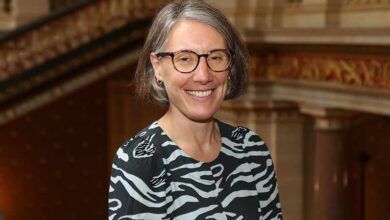
Steve Witherden is one of the most talked-about new figures in modern British politics, not because of celebrity or controversy, but because of the depth of his lived experience and the clarity of his political purpose. His journey from the classroom to the House of Commons reflects a broader shift in British political life, where voters increasingly value authenticity, local understanding, and practical experience over polished rhetoric. As a former teacher, trade unionist, and now Member of Parliament, Steve Witherden represents a strand of politics rooted in service, education, and social justice.
Early Life and Personal Background
Steve Witherden was born and raised in Wales, a country with a strong sense of community, identity, and political consciousness. Growing up in Wrexham, he experienced both the strengths and challenges of working-class and rural Welsh life. These early experiences shaped his understanding of social inequality, public services, and the importance of local institutions such as schools, healthcare facilities, and community organisations.
One particularly defining aspect of his early life was his experience with learning difficulties. As a child, he struggled with dyslexia and dyscalculia and did not learn to read fluently until later than many of his peers. Rather than becoming a barrier, this experience became a driving force in his life. It fostered resilience, empathy, and a deep respect for teachers and support staff who help children overcome educational obstacles.
This background plays a crucial role in how Steve Witherden approaches both education policy and wider social issues. His personal story resonates with many families across the UK who feel that the system often overlooks children who do not fit neatly into standard academic pathways.
Education and Professional Career
Steve Witherden went on to study English Literature at university, an achievement that carries particular weight given his early struggles with literacy. He later completed teacher training and embarked on a career in secondary education that spanned nearly two decades.
As a teacher, he worked directly with young people from diverse backgrounds, many of whom faced economic hardship, limited opportunities, or additional learning needs. This frontline experience gave him an intimate understanding of how national policy decisions affect everyday life in classrooms. He saw the impact of funding pressures, curriculum changes, and staffing shortages not as abstract concepts, but as realities that shaped students’ futures.
Alongside his teaching career, Steve Witherden became active in trade union work. He served as a union representative and later as a county officer, advocating for fair pay, safe working conditions, and respect for education professionals. This role sharpened his negotiation skills and reinforced his belief that collective action and organised representation are essential for protecting workers’ rights.
His years in education and union leadership laid the foundation for his later political career, equipping him with practical knowledge, credibility, and a strong moral compass.
Entry into Politics
Steve Witherden’s move into formal politics was a natural progression rather than a sudden career change. Having spent years engaging with policy outcomes at ground level, he became increasingly convinced that lasting change required direct involvement in the political process.
Standing as a candidate for the Labour Party, he focused his campaign on local issues, public services, and the cost of living. His message was straightforward and grounded: politics should work for ordinary people, particularly those in rural and semi-rural areas that often feel overlooked by decision-makers in Westminster.
His election as Member of Parliament for Montgomeryshire and Glyndŵr marked a significant moment. The constituency had not previously elected a Labour MP, making his victory both symbolically and politically important. It reflected changing voter priorities and a growing appetite for representatives with strong community ties and practical experience.
Parliamentary Role and Responsibilities
As an MP, Steve Witherden has taken on responsibilities that align closely with his background and values. He has been appointed to parliamentary committees dealing with Welsh affairs, giving him a platform to raise issues specific to Wales within the UK Parliament.
In Parliament, his contributions tend to be measured, informed, and focused on substance rather than spectacle. He frequently raises concerns about education funding, rural healthcare access, transport links, and the sustainability of local economies. His interventions often draw on real examples from his constituency, reinforcing his reputation as a representative who listens carefully to his constituents.
Steve Witherden’s parliamentary style reflects his professional past. Like a teacher addressing a complex topic, he prioritises clarity, evidence, and fairness. This approach has earned him respect across party lines, even when there are clear ideological differences.
Political Values and Ideology
Steve Witherden is associated with the left wing of the Labour Party, though his politics are best described as pragmatic rather than doctrinaire. His core values include social equality, strong public services, workers’ rights, and democratic accountability.
He believes that education is one of the most powerful tools for social mobility and that the state has a responsibility to ensure high-quality education for all, regardless of background or postcode. This belief informs his stance on school funding, special educational needs provision, and teacher support.
On economic issues, he advocates policies that protect low- and middle-income households from rising living costs. He supports measures to strengthen employment rights, improve job security, and ensure that economic growth benefits communities rather than bypassing them.
His political outlook is also shaped by his Welsh identity. He consistently emphasises the importance of devolved decision-making and respect for Wales’s distinct social and economic needs within the United Kingdom.
Focus on Rural and Community Issues
One of the defining features of Steve Witherden’s political work is his focus on rural and semi-rural communities. These areas often face unique challenges, including limited public transport, reduced access to healthcare, and fewer employment opportunities.
He has been vocal about the need for fair funding formulas that recognise the additional costs of delivering services in sparsely populated areas. He also highlights the importance of maintaining local schools, post offices, and health facilities as anchors of community life.
Rather than treating rural issues as niche concerns, Steve Witherden frames them as integral to national cohesion. He argues that a balanced and inclusive economy must support both urban centres and rural communities, ensuring that no region feels marginalised or forgotten.
Public Engagement and Communication Style
Steve Witherden’s communication style is notably direct and accessible. He avoids jargon and focuses on explaining issues in plain language, a skill honed through years in the classroom. This approach makes his public statements and constituency communications easier for a broad audience to understand.
He places strong emphasis on listening. Constituency meetings, local events, and correspondence are treated as essential parts of his role, not mere formalities. This two-way engagement helps him stay connected to local concerns and maintain trust with voters.
In an era when public confidence in politics is often low, this emphasis on openness and responsiveness stands out. It reinforces the perception of Steve Witherden as a representative who sees politics as a form of public service rather than personal advancement.
Broader Significance in UK Politics
Steve Witherden’s rise highlights several broader trends in UK politics. One is the growing appeal of candidates with real-world professional experience outside traditional political pathways. Another is the increasing importance of education, healthcare, and local services in shaping electoral outcomes.
His success also reflects shifting political dynamics in Wales, where voters are reassessing long-standing assumptions about party representation. By winning a seat that had not previously elected a Labour MP, he demonstrated that focused local campaigning and credible candidates can overcome historical voting patterns.
More broadly, Steve Witherden represents a model of politics grounded in empathy, evidence, and lived experience. At a time when political debate can become polarised or abstract, his approach offers an alternative centred on practical problem-solving.
Challenges and Future Prospects
Like any new MP, Steve Witherden faces significant challenges. Balancing constituency work with parliamentary responsibilities is demanding, particularly in a geographically large and diverse area. Delivering tangible improvements for constituents also requires navigating complex political and institutional processes.
There is also the challenge of managing expectations. Voters often hope for rapid change, while parliamentary systems move slowly. Maintaining trust during this process requires clear communication and honest engagement about what can be achieved and when.
Looking ahead, Steve Witherden’s future influence will depend on his ability to translate his values into policy outcomes. His background and early parliamentary work suggest he is well placed to contribute meaningfully to debates on education, public services, and regional equality.
Conclusion
Steve Witherden’s journey from a Welsh classroom to the UK Parliament is a compelling example of how personal experience can shape effective political leadership. His background as a teacher and trade unionist informs a political approach rooted in fairness, clarity, and community engagement.
As a Member of Parliament, he brings a grounded perspective to national debates, consistently linking policy decisions to their real-world consequences. His focus on education, rural issues, and social justice reflects both his personal history and the priorities of his constituents.