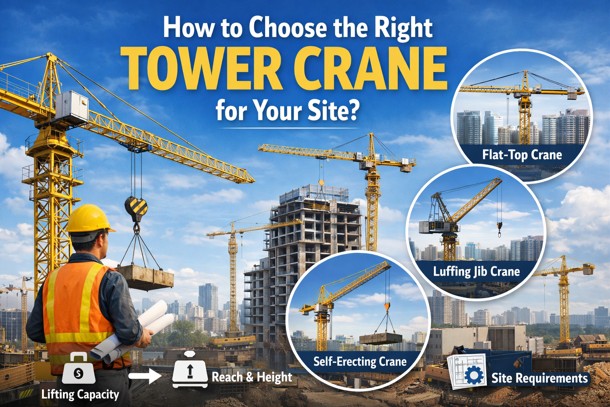
Selecting the appropriate tower crane can significantly affect the efficiency and safety of your construction project. It requires a thorough understanding of your project’s specific needs, the types of cranes available, and the crane’s capacity and reach. Making an informed decision involves various factors, including the project type, size, duration, weight, lift frequency, lifting capacity, and site constraints. This guide will walk you through these considerations, offering insights into different crane types such as hammerhead, flat-top, luffing jib, and self-erecting cranes. By matching your site requirements with the right crane features, you ensure not only project efficiency but also worker safety and compliance with necessary regulations.
Assess Your Project Requirements First
Evaluating your project’s requirements is the first step in selecting a crane that will meet your goals. This proactive approach prevents costly delays and enhances project flow. You must be aware of not only the lay of the land but also the timeline you are working against, as this will heavily influence crane choice.
Define Your Project Type, Size, and Duration
Knowing your construction’s type, size, and duration is crucial in crane selection. If your project is a high-rise urban development, you’ll need cranes that can operate efficiently in confined spaces. Conversely, for large-scale industrial sites, you might need cranes with the ability to cover greater distances. The project’s size dictates the scale of crane operation—larger projects typically require cranes with higher capacity and reach. Duration also plays a role; longer projects may benefit from cranes that offer operational versatility and ease of maintenance over time. Each project will have different demands, influencing the crane model that can be optimally used.
Identify Load Weight and Frequency of Lifts
Understanding the load weight and lift frequency is pivotal for safety and efficiency. The materials being lifted dictate the crane capacity required, with heavy materials necessitating cranes with higher tonnage. Frequent lifts mean choosing a crane that can handle sustained operational load without compromising performance. These factors are critical to selecting a crane capable of meeting work demands without unnecessary strain, ensuring smooth workflow continuity. Additionally, knowing the lift frequency helps in planning operational schedules effectively, preventing bottlenecks, and ensuring timely project completion.
Understand Tower Crane Types and Their Strengths
Different crane types offer unique benefits tailored to varying site conditions and project requirements. Each crane type has strengths, making them suitable for specific environments and tasks. Understanding these distinctions helps in matching crane capabilities to project needs effectively.
Hammerhead Cranes for Large Sites
Hammerhead cranes, known for their horizontal jibs and robust structure, excel in extensive building operations. They offer a full rotational range and can manage heavy weights, making them ideal for large-scale projects like power plants or bridges. These cranes are particularly effective for jobs that require consistent, high-capacity lifting over broad areas. Their reliability and strength make them a preferred choice for projects demanding stability and long-term operational excellence. Relying on hammerhead cranes means choosing a solution built to withstand substantial forces and deliver precision across vast sites.
Flat-Top Cranes for Urban or Tight Spaces
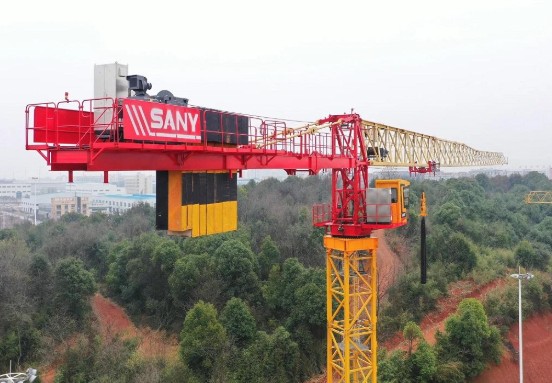
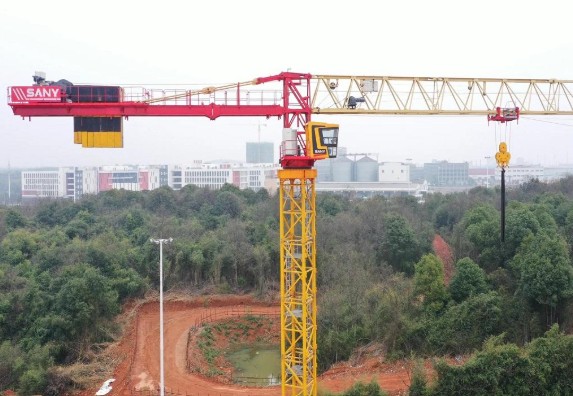
Flat-top cranes are designed without top ties, which reduces erection time and minimizes obstructions in operation. Their streamlined design is well-suited for confined urban spaces, where maneuverability is crucial. These cranes facilitate efficient movement without sacrificing strength or reach, making them ideal for city construction projects or small plots. They offer flexibility where space is a premium, ensuring operations within restricted perimeters are safe and efficient. Utilizing flat-top cranes in tight areas ensures optimal site use, improving efficiency and coordinating operations excellently.
Luffing Jib and Self-Erecting Cranes
Luffing jib cranes feature jibs that can lift vertically, allowing them to navigate obstacles in condensed urban landscapes effectively. These cranes are apt for sites with stringent spatial limitations, offering maneuverability alongside strength. Self-erecting cranes are designed for rapid setup and teardown, making them ideal for projects with tight timelines or multiple site requirements. Their ease of transportation and assembly provides flexibility, whether in dense city centers or remote locations. Employing these crane types helps tackle project challenges involving time constraints and spatial restrictions efficiently.
Match Crane Capacity and Reach to Site Needs
Choosing a crane involves aligning its capacity and reach with specific site requirements, ensuring operational success. Careful matching mitigates risks and enhances crane efficiency relative to site constraints.
Evaluate Lifting Capacity Based on Materials
Assess the materials involved in your project to determine the crane’s lifting capacity. Heavier materials require cranes with considerable lift capacity to handle load variations safely. It’s imperative to match crane specifications with material demands, preventing operational issues. This evaluation ensures the crane can manage the intended workload without strain, safeguarding personnel and project objectives. Considering crane capacity in relation to material weight prolongs equipment lifespan and boosts efficiency.
Consider Jib Length and Working Radius
Understanding jib length and operational radius is crucial for maximizing crane reach. Longer jibs offer better coverage but may require specialized handling at extensive reaches. Evaluate your site’s dimensions to optimize crane positioning, ensuring full operational scope without overextending equipment capabilities. By matching jib length to site specifications, you facilitate seamless material movement and enhance safety protocols. Proper consideration of working radius aligns crane function with project layout, supporting effective logistical planning and site management.
Conclusion
Selecting the right tower crane requires a careful balance of project needs and crane capabilities. Thorough assessment of project requirements, crane types, and site specifics is essential for making informed decisions that enhance efficiency and safety. By understanding each crane type’s strengths and aligning capacity and reach with material demands, you ensure operational success. The right crane not only meets today’s challenges but adapts to future site requirements, offering reliability and effectiveness throughout the construction lifecycle. Empower your project with informed crane choices to drive superior outcomes and realistic, sustainable progress.