
Selecting the right cement mixer truck is vital for project efficiency and quality outcomes. Construction projects, whether large or small, require a mixer truck that fits the specific project needs and site conditions accurately. Understanding the various types and features available can help project managers make informed decisions and plan logistics effectively. Key considerations include truck capacity, engine power, and mixing efficiency. Reviewing technological features, safety systems, and emission controls also ensures compliance with environmental regulations. This guide provides essential tips on assessing project requirements, site conditions, truck types, features, and performance specifications.
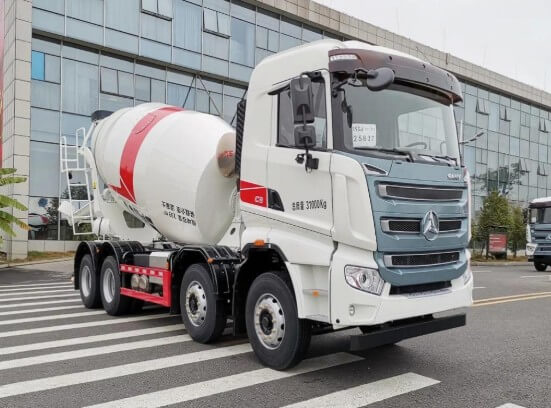
Start with Project Requirements and Site Conditions
Understanding project scope and site conditions is crucial in choosing a cement mixer truck. Assessing the volume of mix needed, the schedule for pouring, the terrain, and the accessibility helps in finding a truck that can navigate the job efficiently.
Assess Your Project Size, Mix Volume, and Pour Schedule
Project size significantly impacts your choice of cement mixer truck. Larger-scale projects often necessitate trucks with higher capacity to mix greater volumes of concrete efficiently. Calculate the mix volume required and align it with the truck capacity, ensuring you can meet project deadlines and avoid over- or under-utilizing resources. Schedules also dictate truck choice; frequent, small pours might benefit from smaller, more agile mixer trucks with rapid cycling capabilities, whereas larger simultaneous pours may require bigger capacity trucks. Match the truck’s performance with your project schedule to mitigate risks of interruptions or bottlenecks.
Review Site Access, Terrain, and Maneuverability Constraints
Site access and terrain are pivotal in selecting the right mixer truck. Evaluate entrance sizes, surface conditions, and space limitations to ensure the truck can operate effectively. On challenging terrains or sites with tight access routes, agile and compact trucks might be more suitable, as they offer easier maneuverability. Where spaces are more open, larger trucks can be considered. Factor in turning capabilities and truck dimensions to avoid difficulties on-site, ensuring that the truck can reach areas needed without excessive repositioning. Prioritizing trucks with superior maneuverability and terrain adaptability reduces the risk of operational hurdles that could hinder construction progress.
Evaluate Cement Mixer Truck Types and Features
Understanding the differences between various cement mixer truck types helps in making an informed choice. Trucks differ in discharge positions, loading methods, and drum technologies. By evaluating these features, you can align truck selection with project needs and facilitate seamless construction processes.
Consider Rear-Discharge vs Front-Discharge Trucks
Choosing between rear-discharge and front-discharge mixer trucks depends on site layout and discharge needs. Rear-discharge trucks are traditional, with ideal utility in straightforward, open sites where backing up is straightforward. Front-discharge trucks offer better control for drivers, providing precise positioning of the chute without reversing. This can drastically reduce on-site repositioning time and improve safety in tight or complex layouts. Front-discharge trucks are particularly useful in sites requiring intricate navigation around obstacles. Evaluate project complexity and driver skill to decide the optimum truck discharge position for effective site operations.
Look at Self-Loading or Volumetric Mixer Options
Self-loading mixer trucks streamline operations by integrating loading and mixing processes, ideal for projects demanding efficiency in remote or limited workforce sites. These trucks automate loading, reducing labor reliance and speeding job progress. Volumetric mixers offer flexibility in producing specific concrete volumes onsite, allowing instant adaptation to changing project needs without pre-batched limitations. They’re suitable for jobs requiring a varied mixture ratios with precision. Assess project logistics and concrete mix requirements to determine the best option between self-loading and volumetric mixers, optimizing job site productivity and reducing wastage.
Assess Drum Design, Mixing Efficiency, and Technology
Drum design and mixing efficiency are critical to producing high-quality concrete consistently. Consider drum material, shape, and rotation speed to ensure thorough mixing, particularly for projects with stringent quality demands. Advanced technology, like automated controls and monitoring systems, enhances efficiency by providing precise mix ratios and tracking. Examine these technological features for automated mix adjustments to accommodate changing project conditions. Prioritize trucks offering modern mixing technology and effective drum configurations, guaranteeing optimal concrete quality and operational excellence.
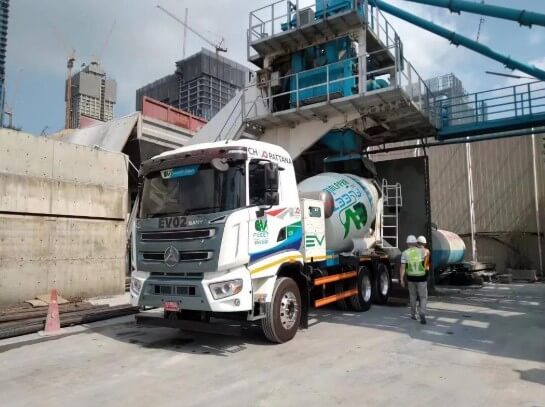
Match Capacity, Power, and Performance to Needs
Selecting a mixer truck with appropriate capacity, power, and performance is vital for fulfilling project requirements effectively. Evaluate drum size, engine capabilities, and truck reliability to ensure optimal operation. Balancing these aspects aligns truck function with project parameters and enhances site productivity.
Choose the Right Drum Capacity and Load Size
Drum capacity and load size are crucial in optimizing mixer truck utility. Large-scale projects demand high-capacity drums to manage substantial mixes efficiently, while smaller jobs benefit from more compact loads to prevent overspending resources. Tailor drum size selection to project needs, ensuring alignment with daily pour volumes and project timelines. Proper capacity avoids downtime from frequent refills or idling due to oversizing. Calculate required load sizes accurately for seamless operations, supporting efficient resource use and sustaining project momentum without unnecessary delays.
Verify Engine Performance and Chassis Reliability
Assess the truck’s engine performance, emphasizing power output and fuel efficiency for consistent operation. High-performing engines support enduring job site activities, providing the power needed for sustained mixing and transportation. Equally, chassis reliability ensures durability under project stresses. Inspect structural integrity and flexibility to withstand rugged terrains and intense operational demands. Reliable chassis systems enhance truck longevity and mitigate breakdown risks, safeguarding project timelines and reducing maintenance costs. Prioritize trucks with a robust powertrain and chassis design tailored to your terrain and project scale for uncompromised reliability.
Check Hydraulic, Safety, and Emission Systems
Examine hydraulic systems for operational efficiency, facilitating smooth drum rotation and control precision, vital for consistent mixing quality. Safety systems, including brake mechanisms and visibility features, are essential for minimizing onsite accidents. Ensure adherence to emission standards to comply with environmental regulations, prioritizing trucks with modern emission control technology for sustainable operations. Evaluate hydraulic functionality, safety enhancements, and emissions compliance, ensuring these elements align thoroughly with project requirements and regulatory expectations, safeguarding site safety and environmental responsibility.
Conclusion
Choosing the right cement mixer truck involves analyzing project requirements, site conditions, truck types, capacities, and technological features diligently. Matching these elements with specific project demands and navigating constraints effectively ensures operational efficiency and quality job outcomes. Whether your focus is on maximizing mixer capacity, adapting to site terrain, or enhancing technology usage, the right truck selection will optimize workflow, reduce costs, and sustain timelines significantly. Commit to thorough evaluations and informed decisions for enduring construction success, prioritizing both practical functionalities and adherence to regulations for a comprehensive, quality-focused approach.