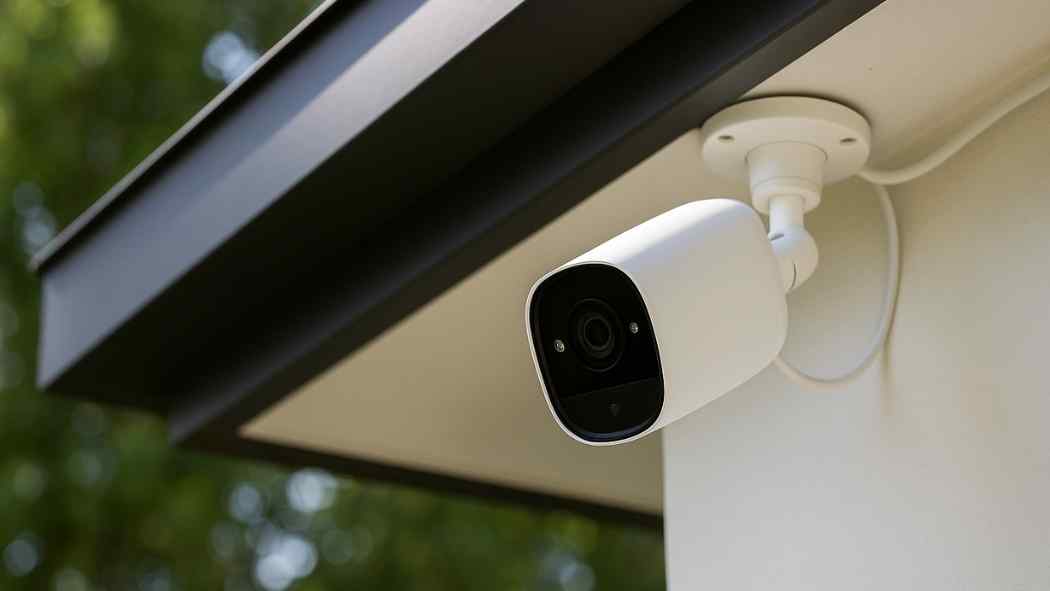
CCTV systems are vital for ensuring the safety and protection of properties. Extending the lifespan of these systems not only guarantees continued security but also provides a return on investment. Investing time in maintaining your security cameras can save you from premature replacements. Simple and routine care, along with strategic planning, can significantly increase the longevity of your surveillance equipment. This article provides actionable steps to enhance the durability of your security cameras. By following these expert tips, your CCTV system will remain operational for years, equipped to capture critical footage when you need it most.
Establish a Strong Foundation for Longevity
A robust start is essential for a long-lasting security system.
Choose Quality Equipment from Trusted Brands
Selecting high-quality equipment is crucial to ensuring your security cameras last longer. Known for their reliability, brands like eufy offer a range of durable and efficient security solutions. Such brands are designed with the latest technology to withstand diverse conditions. Investing in quality reduces the likelihood of frequent malfunctions, thereby increasing the longevity of your camera. When selecting your equipment, prioritize brands that offer warranties and excellent customer support. A strong brand foundation not only serves as the first line of defense but also sets the stage for less expensive maintenance needs and prolonged system health.
Install and Place Cameras Properly for Best Results
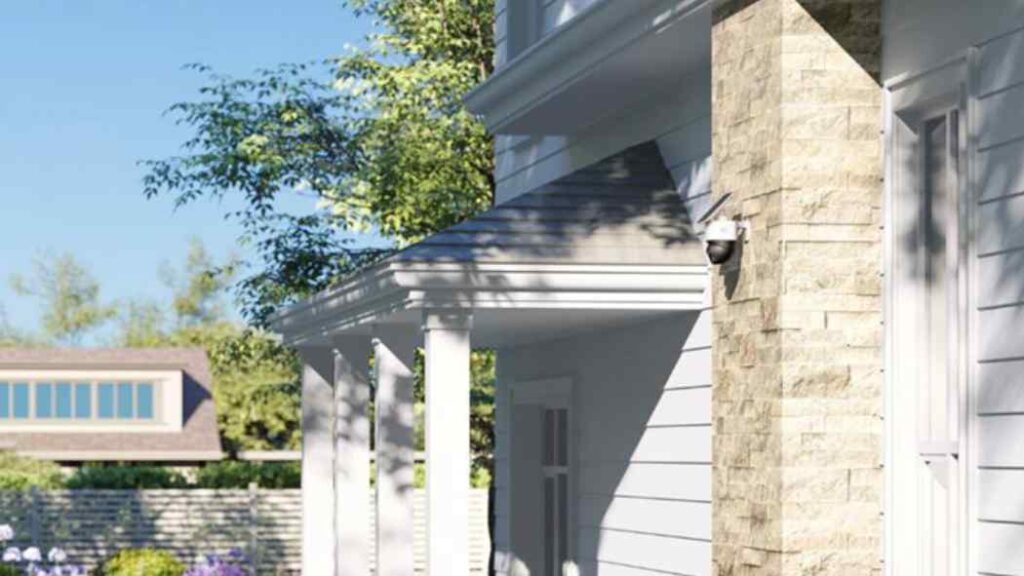
Proper installation significantly impacts the effectiveness and lifetime of security cameras. Position your cameras at optimal locations to maximize coverage while shielding them from potential hazards. Avoid installing cameras in direct exposure to harsh weather or where they can be easily tampered with. Ensuring secure mounting will prevent damage from wind or accidental knocks. Consult professionals for installation if necessary, as their expertise can prevent common pitfalls. Correct placement reduces strain on the camera’s components, promoting longer performance without frequent wear and tear or unnecessary repairs.
Protect Against Environmental Stress and Power Issues
Environmental elements and power disruptions are common culprits in reduced camera lifespan. Exposure to extreme weather, such as heavy rain or intense heat, can degrade cameras over time. Use protective casings to shield cameras from these elements. Power issues, such as surges and outages, can also damage internal components. Employ surge protectors and ensure a consistent power supply to mitigate these risks. Backup power solutions, like uninterruptible power supplies (UPS), are wise investments to maintain functionality during outages, ensuring your cameras operate without interruption even during adverse conditions.
Implement Ongoing Care and Maintenance Practices
Regular care promotes prolonged efficiency and reliability.
Clean and Inspect Lenses, Housings, and Physical Mounts Regularly
Regular cleaning prevents the accumulation of dirt and grime on lenses, which can obstruct camera views. Check lenses for any signs of scratches or damage. Housing should be inspected for cracks or gaps that allow moisture ingress. Firmly secure mounts to avoid loose fittings that might affect image stability. Schedule periodic inspections to identify and address minor issues before they escalate. Taking the time to physically care for your equipment results in clear imaging and prevents premature deterioration, ensuring your security system isn’t compromised by simple oversight.
Update Firmware, Check Connections, and Monitor Performance
Firmware updates are crucial as they often contain security patches and performance improvements. Regularly check for updates from your camera’s manufacturer to stay current. Verify all connections to ensure they are secure; loose connections can impair functionality and image quality. Monitoring camera performance is also essential—sporadic checks can reveal issues like delays or unresponsive controls. Addressing these promptly avoids long-term damage. Systematic evaluations allow you to maintain peak operational performance and can significantly extend your camera’s operational lifespan.
Review Storage, Backup, and Operating Load to Avoid Strain
Security systems require efficient storage and backup solutions. Evaluate your current storage capacity regularly to ensure it aligns with your needs without overloading. Overcrowded storage can strain performance, leading to slower response times and potential data loss. Implement scheduled backups to secure footage, safeguarding it against hardware failures. Proper load management protects the entire system, ensuring recordings are accessible without issues. By maintaining adequate space and routinely clearing unnecessary files, your cctv camera system remains efficient and ready for potential upgrades.
Plan for Upgrade, Replacement, and Future-proofing
Anticipating future needs extends both equipment and system life.
Recognize Signs of Wear and Decide When to Replace
Over time, security cameras exhibit signs of aging, such as flickering images or failing components. Recognize these early to determine when an upgrade or replacement is necessary. Ignoring these signs can lead to complete system failure. Plan financially for regular assessments and potential replacements. Transitioning before critical breakdowns ensures continuous security and avoids gaps in coverage. Proactive planning can include setting aside a budget for the inevitable upgrade, ensuring that your security system remains effective and up-to-date with minimal downtime.
Use Modular Systems and Compatible Brands for Flexibility
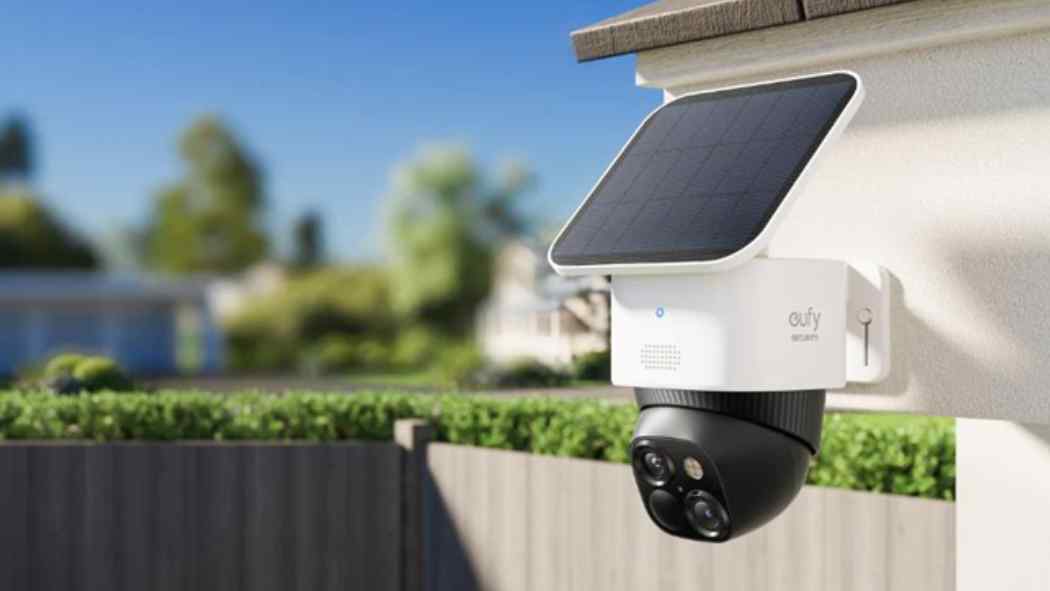
Flexibility in upgrading depends heavily on modularity and brand compatibility. Systems that accommodate upgrades without requiring entire replacements provide cost savings and adaptability. Brands like eufy offer compatibility across new technologies and existing setups, facilitating smoother transitions when integrating new components. This flexibility allows for the adoption of cutting-edge features without discarding the functional parts of your existing system. Selecting scalable solutions ensures your security setup evolves with advancements, meeting future needs without extensive overhauls.
Conclusion
Extending the lifespan of your security camera system is achievable through strategic selection, regular maintenance, and foresight. By investing in quality equipment from dependable brands and committing to routine care, you set a foundation for longevity. Continued monitoring and updates prevent the performance decay common in neglected systems. Moreover, planning for future upgrades ensures your security system remains robust and responsive. Prioritize these strategies to safeguard your investment and provide peace of mind, knowing your property is continuously protected against potential threats.