An efficient fuel system is crucial to running a business that relies on vehicles or machinery. It is crucial not only to ensure operational efficiency but also to keep costs low and avoid safety risks. Without proper care, these systems can become prone to contamination, leaks, or equipment failure, which can disrupt productivity and increase maintenance expenses. Therefore, adapting practical strategies is necessary to maintain fuel quality.
In this guide, we will explore the best practices for fuel management to help you extend the life of your equipment and reduce unexpected downtime.
Choose Reliable Fuel Sources
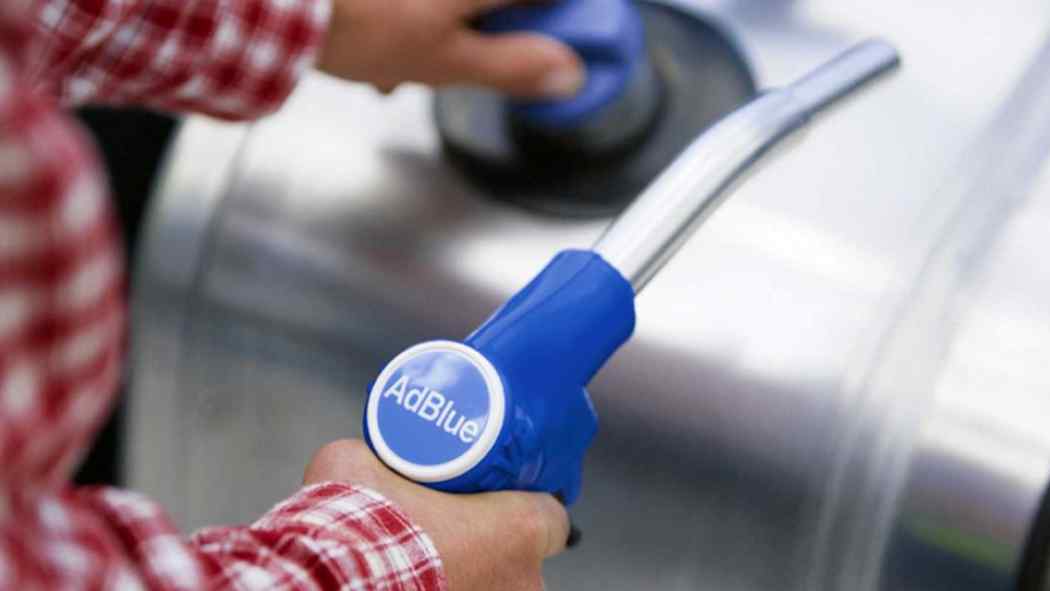
The first step in maintaining an efficient fuel system is partnering with reputable AdBlue suppliers. It ensures the quality and purity of your diesel exhaust fluid, which is essential for your vehicles’ emission systems. Using low-quality or contaminated products can lead to injector blockages, poor combustion, or increased emissions. You can verify the supplier’s certifications, read reviews, and ask for quality reports. It not only protects your equipment but also reduces long-term repair costs.
Inspect Tanks and Containers Regularly
Cracks, rust, or leaks can compromise fuel quality and pose safety hazards. So, make sure to inspect your storage tanks and containers frequently to spot the signs of wear or damage. It allows you to catch minor issues before they become costly problems. Ensure that tank seals are intact and that there are no signs of water or sediment accumulation. It protects both your investment and the safety of your staff.
Keep Fuel Clean and Free from Contaminants
Contamination is one of the biggest threats to fuel efficiency. Dirt, water, and other impurities can clog filters, reduce engine performance, and damage sensitive components. Using high-quality filtration systems and water separators can help keep your fuel clean. Make sure fuel is handled in a way that minimises exposure to external elements, such as covering containers and using clean funnels. Educate your staff on proper refuelling procedures, as careless handling often introduces contaminants.
Monitor Fuel Usage and Inventory
Efficient fuel systems require proper monitoring. Keep track of fuel consumption and inventory levels to avoid unexpected shortages or overstocking. Implementing fuel management software can provide real-time insights, helping you identify irregular usage patterns that may indicate leaks or theft. Moreover, comparing fuel records with operational output also helps you understand efficiency trends. It enables timely reordering, ensuring consistent supply and avoiding emergencies, ultimately contributing to safer and more cost-effective operations.
Maintain Proper Temperature and Ventilation
Fuel storage areas should be kept at stable temperatures and well-ventilated to prevent degradation or pressure buildup. Extreme heat can increase evaporation and promote chemical changes in the fuel, while poor ventilation can allow dangerous vapours to accumulate. Installing temperature sensors and ensuring air circulation can minimise these risks. Avoid storing fuel near heat sources or in direct sunlight. It helps maintain fuel quality, reduces the chance of fire hazards, and supports the longevity of tanks and piping.
Train Staff on Fuel Handling Safety
Your employees play a crucial role in keeping fuel systems safe and efficient. Providing them with comprehensive training on proper handling procedures, emergency response, and spill prevention reduces the risk of accidents. They should understand how to use protective gear, operate pumps safely, and respond to leaks or fires. Training also includes awareness of chemical hazards and environmental regulations. By empowering your team with knowledge, you create a culture of responsibility and vigilance, which protects both personnel and equipment.
Implement Regular Equipment Maintenance
Fuel pumps, filters, and delivery systems require ongoing maintenance to remain efficient. Scheduled servicing prevents wear and tear, ensures proper flow, and avoids blockages that could disrupt operations. Replace worn hoses, seals, and filters promptly, and check that pumps are calibrated correctly. Using manufacturer-recommended parts and procedures helps maintain optimal performance. It provides a record for inspections and future reference, extends the life of your equipment, and also reduces the likelihood of leaks, contamination, and other safety issues, making your fuel system more reliable and efficient.
Use Proper Fuel Dispensing Procedures
Dispensing fuel correctly is as important as storing it properly. Always use appropriate pumps, nozzles, and containers designed for the type of fuel you are handling. Avoid overfilling tanks or leaving dispensing equipment unattended, as spills can create hazards and waste fuel. Label storage areas clearly to prevent cross-contamination between different fuel types.
Invest in Ongoing Fuel Storage Maintenance
Fuel storage maintenance is an ongoing responsibility that requires consistent attention. Clean tanks periodically, remove sediment and water, and ensure that all seals and valves are functional. Review safety protocols, update equipment as needed, and document all activities. It helps you reduce the risk of contamination, leaks, and environmental hazards. Additionally, it extends the life of your tanks and ensures that your fuel remains high-quality.
In a Nutshell
By following these ten strategies, you can ensure your fuel systems operate smoothly, reduce risks, and maintain efficiency across all operations. It ensures your employees’ safety and long-term cost-effectiveness.