Hinton Parva is one of those quietly remarkable English villages that reveal their depth slowly. Tucked away on the edge of Wiltshire’s rolling countryside, it offers a rare blend of ancient history, enduring rural character, and a sense of continuity that feels increasingly precious in the modern age. Far from the bustle of nearby Swindon yet closely connected to the wider story of England’s development, Hinton Parva stands as a living reminder of how villages once grew, worshipped, farmed, and adapted over centuries.
Understanding the Origins of Hinton Parva
The Meaning Behind the Name
The name Hinton Parva carries clear historical meaning. “Hinton” is derived from Old English, broadly referring to a farm or settlement, while “Parva” is Latin for “small.” Together, the name distinguishes the village as “Little Hinton,” setting it apart from other nearby settlements with similar names. This linguistic layering reflects England’s long history of Roman, Anglo-Saxon, and Norman influence, all of which shaped the country’s place names.
Early Settlement and Medieval Roots
Hinton Parva’s recorded history stretches back many centuries. By the medieval period, it had already established itself as a small but organised rural community, centred around agriculture and the church. Like many English villages, its early economy depended on farming, with open fields, grazing land, and close ties between landowners and tenants.
During this time, the village was closely associated with ecclesiastical estates, meaning that religious institutions played a key role in land management and daily life. This connection would shape both the physical layout of the village and its social structure for generations.
The Rural Landscape of Hinton Parva
Countryside Setting and Natural Beauty
One of the defining features of Hinton Parva is its landscape. The village is surrounded by gently undulating farmland, chalk grasslands, and hedgerows that have remained largely unchanged for centuries. This environment gives Hinton Parva its calm, open feel and reinforces its identity as a rural settlement rather than a suburban extension.
The surrounding countryside supports a wide range of wildlife, from birds and butterflies to native plant species that thrive on chalk soils. Seasonal changes are particularly striking here, with spring wildflowers, golden summer fields, and frosty winter mornings each adding their own character.
Relationship with Nearby Villages and Towns
While Hinton Parva retains a distinct identity, it has always existed within a wider network of villages and market towns. Historically, residents relied on nearby centres for trade, supplies, and social interaction. Today, this relationship continues in a modern form, allowing villagers to enjoy rural tranquillity without being isolated from essential services.
Architecture and Historic Buildings
Traditional Village Layout
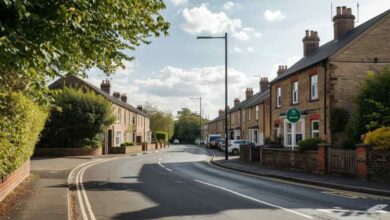
Hinton Parva’s layout reflects its organic development over time rather than any single planned design. Homes are arranged along narrow lanes, often following the contours of the land. This irregular pattern contributes to the village’s charm and offers visual reminders of its gradual growth.
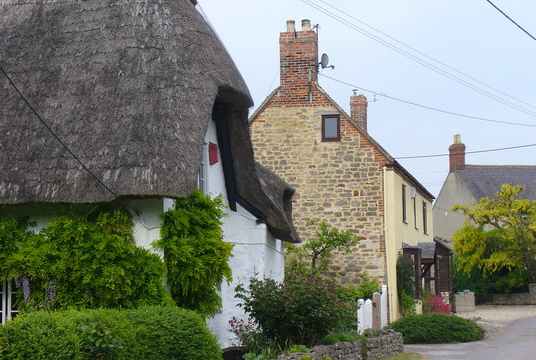
Buildings are typically constructed from local materials, particularly stone, giving the village a cohesive and timeless appearance. Rooflines, garden walls, and boundary hedges all contribute to a sense of continuity with the past.
The Parish Church as a Historical Anchor
At the heart of Hinton Parva stands its parish church, a building that has served as both a spiritual and social centre for centuries. With architectural elements dating back to the Norman period, the church tells a story of evolving religious practice and local craftsmanship.
Features such as stone arches, traditional fonts, and later additions from subsequent centuries reflect changing tastes and needs. Beyond its architectural significance, the church remains an important symbol of community identity, marking key life events and seasonal traditions.
Community Life Through the Centuries
Daily Life in Earlier Times
Historically, life in Hinton Parva revolved around agriculture and the rhythms of the seasons. Families worked the land, tended livestock, and relied heavily on local resources. Social life was closely tied to the church calendar, with festivals and holy days offering moments of shared celebration.
Village life required cooperation. Neighbours depended on one another during harvests, harsh winters, and times of illness. This interdependence fostered strong social bonds that shaped the character of the community.
Changes in the Modern Era
Like many rural villages, Hinton Parva has seen significant change over the last century. Mechanised farming reduced the need for agricultural labour, while improved transport links allowed residents to work further afield. Despite these shifts, the village has avoided large-scale development, helping it retain its historic character.
Modern residents often balance professional lives elsewhere with a deep appreciation for village living. Community events, informal gatherings, and shared concern for preserving the village’s heritage continue to play an important role.
Governance and Parish Identity
Administrative History
Hinton Parva was once an independent civil parish, managing its own local affairs. In the twentieth century, administrative changes saw it merged with neighbouring areas for governance purposes. While this altered formal boundaries, it did not diminish the village’s sense of identity.
Local decision-making still places a strong emphasis on conservation, reflecting a shared desire to protect the village’s appearance and environment.
Conservation and Planning
Planning policies in and around Hinton Parva are shaped by the need to balance modern living with heritage preservation. New development is carefully considered to ensure it complements existing buildings and does not disrupt the rural setting.
This approach has helped maintain the village’s character while allowing it to remain a viable place to live in the twenty-first century.
Cultural and Historical Significance
A Living Record of English Rural Life
Hinton Parva offers more than picturesque views; it provides insight into how English villages functioned across different historical periods. From medieval land tenure systems to modern rural living, the village reflects broader national trends on a local scale.
Historians and visitors alike find value in places like Hinton Parva because they offer continuity—physical spaces where layers of history remain visible and meaningful.
Appeal to Visitors and Residents
For visitors, Hinton Parva represents an opportunity to experience authentic village life away from heavily commercialised destinations. For residents, it offers a rare combination of peace, heritage, and community spirit.
Walking through the village, one senses a respect for the past alongside a quiet confidence in the present—a balance that many modern communities struggle to achieve.
Why Hinton Parva Continues to Matter
Preservation of Heritage
In an era of rapid change, villages like Hinton Parva play an important role in preserving England’s rural heritage. They remind us that progress does not always require expansion or reinvention, but can also mean careful stewardship of what already exists.
A Model of Sustainable Rural Living
Hinton Parva demonstrates how small communities can remain relevant without losing their identity. By valuing conservation, encouraging community involvement, and respecting the landscape, the village offers a model for sustainable rural living rooted in tradition.
FAQs
Is Hinton Parva a good place to live?
Hinton Parva appeals to those seeking a quiet rural lifestyle with strong historical character. It suits residents who value community, countryside, and proximity to nearby towns without wanting urban living.
What makes Hinton Parva historically important?
Its long-recorded history, medieval origins, and well-preserved church and village layout make Hinton Parva a valuable example of traditional English rural development.
Can visitors explore Hinton Parva easily?
Yes, the village is accessible and best explored on foot, allowing visitors to appreciate its architecture, lanes, and surrounding countryside at a relaxed pace.
Does Hinton Parva still have a strong community spirit?
Despite its small size, Hinton Parva maintains an active sense of community, supported by shared events, local traditions, and collective care for the village.
How has Hinton Parva avoided overdevelopment?
Careful planning policies and a strong emphasis on conservation have helped protect the village from excessive modern development while allowing sensitive change.
Conclusion
Hinton Parva stands as a quiet testament to England’s rural past and present. Its history, landscape, and community life come together to form a village that feels both timeless and relevant. Rather than chasing growth or attention, Hinton Parva has preserved its essence through careful stewardship and respect for tradition. In doing so, it continues to offer residents and visitors alike a rare glimpse into the enduring character of the English countryside.