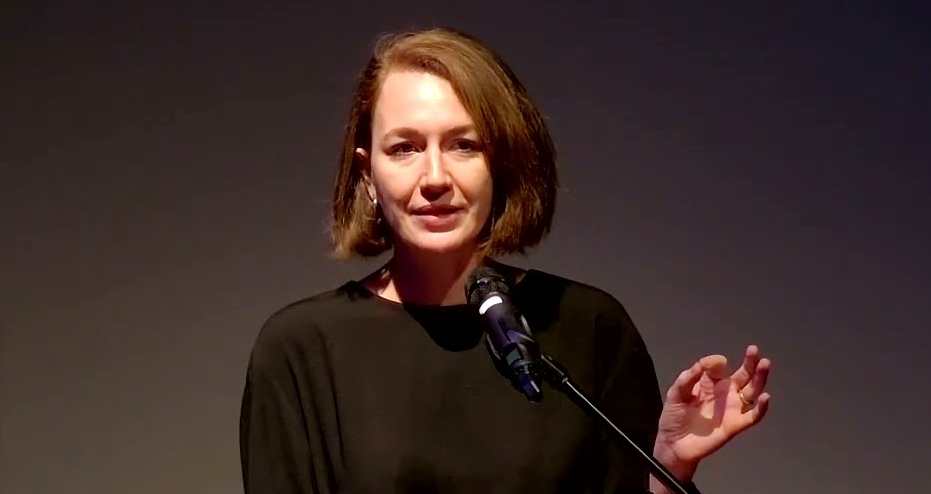
Erika Balsom has emerged as one of the most influential thinkers in the fields of film studies and contemporary art. Known for her rigorous scholarship and thoughtful criticism, she has played a significant role in reshaping how audiences, academics, and curators engage with cinema today. Her work bridges disciplines, connecting film theory with visual culture, feminist discourse, and the evolving dynamics of media circulation.
Early Life and Academic Formation
Erika Balsom was born in Canada, where her early intellectual curiosity began to take shape. Her academic journey reflects a strong commitment to interdisciplinary thinking, combining literature, media studies, and cultural theory.
She pursued advanced studies in Modern Culture and Media, earning a PhD from Brown University. During this time, she developed a keen interest in the intersections between cinema and contemporary art. Her doctoral work laid the foundation for a career that would later influence both academic scholarship and curatorial practice.
Her education was marked by exposure to a wide range of theoretical frameworks, including post-structuralism, feminist theory, and visual culture studies. These influences continue to shape her analytical approach, which is both nuanced and critically engaged.
Academic Career and Teaching
Erika Balsom currently holds a senior academic position in Film and Media Studies at King’s College London. Her role involves teaching, research, and mentoring students who are exploring the complexities of film and visual culture.
Her teaching philosophy is centred on encouraging critical thinking and fostering intellectual independence. Students under her guidance are often introduced to challenging concepts that question conventional understandings of cinema. Rather than treating film as a purely entertainment medium, she emphasises its role as a cultural and political force.
In addition to her work in the United Kingdom, she has held academic positions in North America, contributing to an international perspective that enriches her scholarship. Her ability to move between different academic environments has strengthened her reputation as a global thinker.
Major Publications and Intellectual Contributions
One of the defining aspects of Erika Balsom’s career is her extensive body of written work. Her publications have been widely praised for their originality, clarity, and depth.
Exhibiting Cinema in Contemporary Art
This early book examines how cinema is presented within art institutions such as galleries and museums. It challenges traditional notions of film spectatorship by exploring how moving images are recontextualised in exhibition spaces.
The work highlights how the experience of watching a film changes when it is removed from the cinema and placed within an art setting. Through this analysis, Erika Balsom offers a fresh perspective on the relationship between film and contemporary art.
After Uniqueness: A History of Film and Video in Circulation
In this influential text, she explores how technological developments have transformed the circulation of film and video. The book argues that the idea of a “unique” film object has been replaced by a culture of reproduction and distribution.
By tracing the history of moving images across different platforms, Erika Balsom demonstrates how accessibility and replication have altered both artistic practice and audience engagement. This work has become essential reading for those interested in media theory.
An Oceanic Feeling: Cinema and the Sea
This book reflects her ability to approach cinema from unexpected angles. By focusing on the motif of the sea, she examines how filmmakers have used aquatic imagery to explore themes of memory, displacement, and perception.
The analysis is both poetic and theoretical, revealing the depth of her intellectual range. Erika Balsom’s work in this area showcases her talent for blending aesthetic appreciation with critical insight.
Feminist Worldmaking and the Moving Image
As an editor and contributor, she has also engaged with feminist perspectives in cinema. This work highlights the importance of gender and representation in shaping visual culture.
Through collaborative scholarship, Erika Balsom contributes to ongoing conversations about inclusivity and diversity in film. Her involvement in such projects underscores her commitment to socially engaged research.
Research Interests and Areas of Expertise
The work of Erika Balsom is characterised by a set of interconnected research interests that reflect the complexity of contemporary media.
Documentary and Nonfiction Cinema
A significant portion of her research focuses on documentary film. She examines how documentaries construct narratives of truth and how these narratives influence public understanding.
Rather than accepting documentaries as objective representations, Erika Balsom analyses the ways in which they are shaped by artistic choices and political contexts. This approach encourages viewers to think critically about what they see on screen.
Artists’ Moving Image
Another key area of her work is the study of moving images within the context of contemporary art. She explores how artists use film and video as mediums for experimentation and expression.
This research highlights the fluid boundaries between cinema and other forms of visual art. Erika Balsom’s contributions have helped to legitimise artists’ moving image as an important field of study.
Feminist Film Theory
Her engagement with feminist theory is evident in both her writing and curatorial work. She addresses issues of representation, authorship, and gender dynamics within cinema.
By foregrounding feminist perspectives, Erika Balsom challenges dominant narratives and advocates for a more inclusive understanding of film history.
Media Circulation and Technology
In a rapidly changing media landscape, her work on circulation is particularly significant. She investigates how digital technologies have transformed the production, distribution, and reception of moving images.
This research provides valuable insights into the future of cinema, highlighting the ways in which technological innovation continues to reshape cultural practices.
Curatorial Practice and Public Engagement
Beyond academia, Erika Balsom is also an accomplished curator. Her exhibitions and film programmes reflect her commitment to bringing scholarly ideas into public spaces.
One of her notable projects focuses on feminist filmmaking from the late twentieth century. By curating screenings and exhibitions, she creates opportunities for audiences to engage with works that might otherwise remain overlooked.
Her curatorial work is characterised by a thoughtful selection of films that challenge conventional narratives. Erika Balsom uses these platforms to encourage dialogue and critical reflection.
In addition to exhibitions, she participates in film festivals, panel discussions, and public lectures. These activities demonstrate her dedication to making academic knowledge accessible to a wider audience.
Writing Style and Critical Approach
The writing of Erika Balsom is distinguished by its clarity and intellectual precision. She has a unique ability to explain complex theoretical ideas in a way that remains engaging and accessible.
Her criticism often combines close analysis of individual films with broader theoretical insights. This dual approach allows her to connect specific examples with larger cultural and historical contexts.
Another notable aspect of her work is its interdisciplinary nature. Drawing on philosophy, art history, and cultural studies, Erika Balsom creates a rich analytical framework that enhances her interpretations.
Her writing is not only informative but also thought-provoking, inviting readers to reconsider their assumptions about cinema and visual culture.
Awards and Recognition
Over the course of her career, Erika Balsom has received numerous accolades that reflect her impact on the field of film studies. These awards recognise both her scholarly achievements and her contributions to cultural discourse.
Among her honours is the prestigious Philip Leverhulme Prize, which is awarded to outstanding researchers whose work has had a significant influence on their discipline. She has also been recognised by professional organisations for her essays and critical writing.
Such recognition highlights the importance of her work and confirms her status as a leading figure in contemporary film theory.
Influence on Contemporary Film Studies
The influence of Erika Balsom extends beyond her own publications. Her ideas have shaped the work of other scholars, critics, and artists who engage with moving images.
By challenging traditional definitions of cinema, she has opened new avenues for research and creative practice. Her emphasis on interdisciplinarity has encouraged scholars to explore connections between film and other fields.
In addition, her focus on underrepresented forms of cinema has helped to broaden the scope of film studies. Erika Balsom’s work continues to inspire those who seek to understand the evolving nature of visual culture.
Challenges and Future Directions
As cinema continues to evolve, the questions raised by Erika Balsom remain highly relevant. Issues such as digital distribution, globalisation, and the role of institutions in shaping cultural production are central to contemporary debates.
Her work provides a framework for addressing these challenges, offering insights that are both critical and forward-looking. By examining the past and present of moving images, she contributes to a deeper understanding of their future.
Looking ahead, it is likely that Erika Balsom will continue to play a key role in shaping discussions about cinema and media. Her ability to adapt to changing cultural contexts ensures that her work remains relevant and impactful.
FAQs
Who is Erika Balsom?
Erika Balsom is a Canadian-born film scholar, critic, and curator known for her work on documentary cinema, experimental film, and contemporary art.
What are the main research areas of Erika Balsom?
Her research focuses on documentary film, artists’ moving image, feminist film theory, and the circulation of media in the digital age.
Where does Erika Balsom teach?
She is based at King’s College London, where she teaches Film and Media Studies.
What is Erika Balsom known for?
She is widely recognised for her influential books and essays that explore the relationship between cinema, art, and technology.
Why is Erika Balsom important in film studies?
Her work has expanded the boundaries of film theory, encouraging a more interdisciplinary and inclusive approach to understanding moving images.
Conclusion
Erika Balsom stands as a vital figure in contemporary film scholarship, offering insights that resonate across academic and artistic communities. Her work challenges conventional ideas about cinema while opening new paths for research and creative exploration.
Through her writing, teaching, and curatorial projects, she has redefined how we think about moving images in the modern world. As media continues to evolve, her contributions will remain essential for anyone seeking to understand the cultural significance of film.