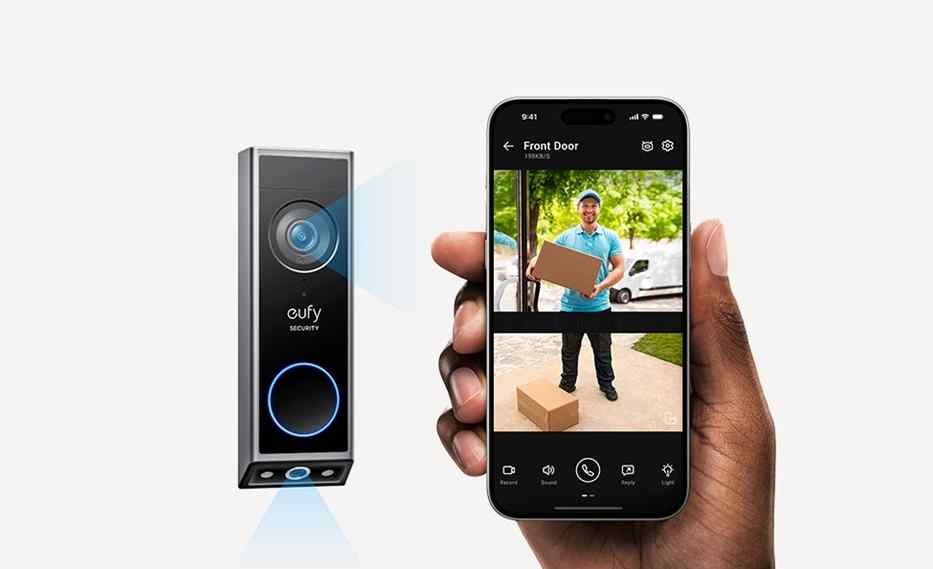
A camera doorbell does more than show who is at your door. It records clear video, sends instant alerts, and can even tell people from packages. With brands pushing 2K resolution, AI detection, and bright night vision, it helps to know which features really matter. Some models, such as the eufy E340, now use a dual light source system and 2K Full HD resolution for sharp detail. This guide explains every key feature so you can match the right doorbell to your home.
Core Camera Doorbell Features You Need to Understand
Video Resolution Explained: 1080p vs 2K and Beyond
Video resolution determines how much detail you see in each frame. Many budget models still offer 1080p, which looks fine on phones but can blur faces or small details. 2K resolution, like on the eufy E340, captures more pixels and reveals clearer faces, logos, and license plates. Some brands push higher than 2K, but you also need enough bandwidth and storage. For most homes, 2K hits the sweet spot between clarity, internet use, and recording space, especially when you often zoom in.
Field of View, Night Vision, and Image Clarity
The field of view shows how wide an area the doorbell can see. A wider angle covers more of your porch and prevents blind spots near the door. Image clarity also depends on HDR and lens quality, which balance bright skies with darker doorways. At night, many doorbells rely on infrared, which gives black‑and‑white video. The eufy E340 goes further with a dual light source system and advanced processing for clear color visibility up to 16 feet, so you can recognize faces even in low light.
Two-Way Audio and Real-Time Communication
Two‑way audio turns your camera doorbell into an intercom. A built‑in microphone picks up sound at the door, while a speaker lets you talk back through the app. Clear audio matters when you speak to couriers, give delivery instructions, or ward off strangers. Look for echo cancellation and noise reduction so traffic or wind does not drown out voices. Fast, low‑delay communication makes conversations feel natural. When audio works well, you can manage deliveries or answer visitors from anywhere without opening the door.
Smart Features That Make Modern Doorbells Smarter
Motion Detection vs AI Human and Package Detection
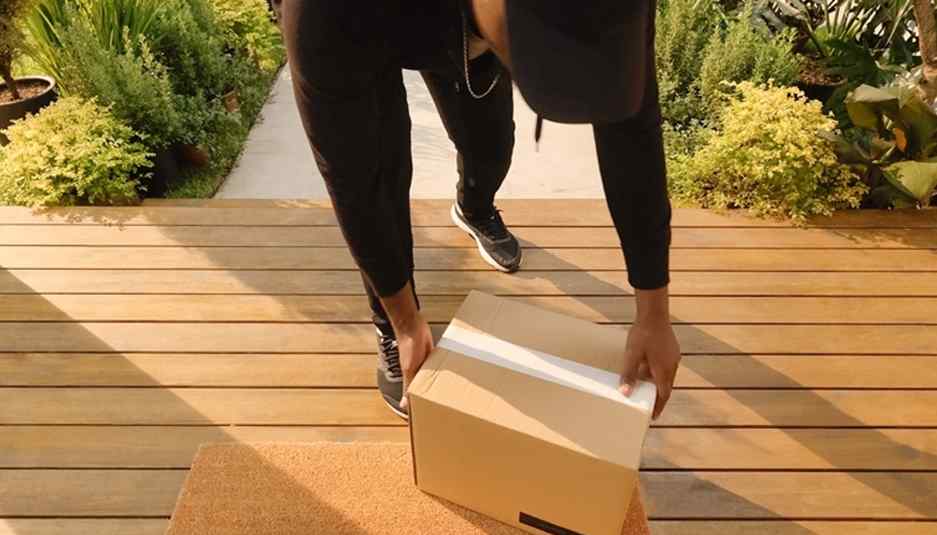
Basic camera doorbells detect any motion and send alerts whenever something moves. This can mean constant pings from cars, trees, or pets. Newer models add AI that tells people, pets, and vehicles apart. Some, like the eufy E340 family, even recognize packages and alert you when someone picks them up. AI detection reduces false alarms and makes recordings easier to review. You focus on clips that truly matter, such as a delivery or a stranger at your door, not every passing shadow or leaf.
Smart Alerts, Activity Zones, and Notification Control
Smart alerts help you stay informed without feeling overwhelmed. Activity zones let you draw boxes on the camera view and monitor only those areas, such as your doorstep, but not the street. You can set alert types for people, motion, or packages, and mute less important events. Schedules allow quiet times at night or during meetings. Fine control over notifications keeps your phone from buzzing nonstop while still catching key events, like someone approaching your door or a courier dropping a parcel.
App Control, Voice Assistants, and Smart Home Integration
The companion app acts as the control center for your camera doorbell. You view live video, talk to visitors, review recordings, and adjust settings from your phone. Many doorbells work with voice assistants like Amazon Alexa, Google Assistant, or Apple HomeKit, so you can pull up the door view on a smart display. Integration with smart locks or lights lets you unlock the door remotely or turn on a porch light when motion triggers. A smooth app and stable connections make daily use easier.
Storage, Security, and Advanced Performance Features
Cloud Storage vs Local Storage Options
Camera doorbells store video either in the cloud, on local hardware, or both. Cloud storage uploads clips to remote servers, so you can access footage even if someone steals the doorbell. It usually needs a subscription and uses your internet bandwidth. Local storage, often on a built‑in memory card or home hub, keeps data in your home and can avoid monthly fees. Many eufy systems highlight local storage to reduce costs. Hybrid models offer both, giving backup access and extra peace of mind.
Data Privacy, Encryption, and Secure Access
Strong security keeps your camera doorbell from becoming a weak link in your home network. Look for encryption of video streams and stored clips, both in the cloud and on local devices. Two‑factor authentication adds a second step to logins, which blocks many hacking attempts. Some brands keep data processing on‑device, which reduces how much footage leaves your home. Clear privacy policies also matter. You should know who can access your recordings and how long the company keeps your video data.
Conclusion
Choosing a camera doorbell means more than picking a familiar brand. You need the right mix of resolution, night vision, and field of view for your entryway. Features like 2K video and dual light source systems, as seen on the eufy E340, boost clarity day and night. AI detection, smart alerts, and solid storage options reduce stress and protect key moments. Finally, strong security and smart home integration help everything work together. Use these feature checks to find a doorbell that fits your home.