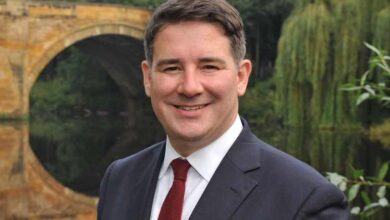
Gabriel Pogrund has emerged as one of the most influential voices in contemporary British political journalism. In an era marked by rapid news cycles, shifting political alliances, and intense public scrutiny of power, his work stands out for its clarity, depth, and fearless engagement with complex national issues. Known for his incisive reporting and calm authority, he represents a new generation of journalists who balance traditional investigative rigour with modern political storytelling.
Early Influences and Path into Journalism
Every journalist’s voice is shaped by a blend of curiosity, education, and lived experience. From the outset, Gabriel Pogrund demonstrated a strong interest in public affairs and the mechanics of political power. Rather than approaching journalism as mere commentary, he developed an instinct for understanding how decisions made behind closed doors affect the everyday lives of citizens.
His early career choices reflected a commitment to serious reporting rather than superficial opinion. By immersing himself in political environments and cultivating an understanding of institutional processes, he laid the groundwork for a career that would later place him at the centre of national political reporting.
This formative period was crucial in developing the disciplined approach that defines his work today: careful sourcing, precise language, and a refusal to oversimplify complex realities.
Establishing Authority in Political Reporting
Political journalism demands more than access; it requires credibility. Gabriel Pogrund built his reputation by consistently delivering stories that were not only timely but also substantively important. His reporting demonstrated an ability to cut through political spin and present readers with clear, factual accounts of events shaping the nation.
Covering politics at a national level requires navigating sensitive information, managing confidential sources, and maintaining professional integrity under pressure. Pogrund’s rise within British journalism reflects his success in balancing these demands without compromising journalistic standards.
His work increasingly focused on the inner workings of government, policy development, and the strategic thinking that drives political leadership. This focus helped establish him as a trusted interpreter of Westminster and Whitehall for a broad readership.
Whitehall and the Art of Political Insight
Reporting from the heart of government is both a privilege and a responsibility. As a journalist deeply engaged with Whitehall, Gabriel Pogrund has demonstrated a rare ability to explain complex governmental processes in language that remains accessible without losing nuance.
His reporting goes beyond headlines to examine motivations, consequences, and long-term implications of political decisions. By doing so, he offers readers not just information, but understanding. This approach has proven invaluable at a time when public trust in political institutions is frequently tested.
Through careful analysis and factual reporting, he has contributed to a more informed public conversation about leadership, accountability, and policy direction in the UK.
Investigative Journalism and Accountability
One of the defining features of Gabriel Pogrund’s career is his commitment to investigative journalism. In a media environment often driven by speed, his work emphasises accuracy and depth. Investigative reporting requires patience, resilience, and a willingness to challenge those in power.
Pogrund’s investigations have addressed issues that matter deeply to democratic society, including government transparency and political conduct. His reporting does not seek controversy for its own sake; instead, it aims to illuminate areas where public interest demands scrutiny.
This dedication to accountability reinforces journalism’s role as a cornerstone of democratic life and highlights why investigative work remains essential in modern Britain.
Authorship and Long-Form Political Analysis
Beyond daily reporting, Gabriel Pogrund has made a significant impact through long-form political writing. Co-authoring detailed political books allowed him to step back from immediate news cycles and examine broader political narratives.
Long-form analysis requires a different skill set from daily journalism. It involves synthesising years of political developments, interviews, and context into coherent narratives that explain not just what happened, but why it mattered. Pogrund’s success in this space demonstrates intellectual depth and narrative skill.
These works have contributed to public understanding of internal political dynamics, leadership struggles, and ideological shifts within major political movements in the UK.
Writing Style and Professional Ethos
A defining characteristic of Gabriel Pogrund’s writing is its measured tone. Even when covering highly charged political issues, his language remains composed and precise. This restraint enhances credibility and allows facts to speak for themselves.
His style reflects a broader professional ethos grounded in fairness, accuracy, and respect for readers. Rather than instructing audiences what to think, he provides them with the information required to form their own conclusions.
Such an approach is particularly valuable in polarised political environments, where balanced reporting can help bridge divides and encourage constructive debate.
Influence on Public Discourse
Journalists shape public discourse not only through what they report, but how they report it. Gabriel Pogrund’s influence lies in his ability to frame political events within a broader context, helping readers understand the significance of developments beyond immediate reactions.
By focusing on substance rather than spectacle, he contributes to a healthier media environment. His reporting encourages engagement with political realities rather than distraction by superficial narratives.
Over time, this influence helps elevate the standard of political discussion and reinforces journalism’s educational role within society.
Navigating Modern Media Challenges
The modern media landscape presents unique challenges, including misinformation, social media pressure, and declining public trust. Gabriel Pogrund’s career illustrates how traditional journalistic values can still thrive amid these challenges.
By maintaining rigorous editorial standards and resisting sensationalism, he demonstrates that credibility remains a journalist’s most valuable asset. His work shows that audiences continue to value reporting grounded in evidence and thoughtful analysis.
This approach positions him as a model for emerging journalists navigating an increasingly complex information ecosystem.
Professional Recognition and Peer Respect
Recognition within journalism is often a reflection of peer respect as much as public acclaim. Gabriel Pogrund’s professional standing reflects acknowledgement of his contribution to political reporting and investigative journalism.
Such recognition underscores the importance of his work within the broader media community. It also highlights the continued relevance of serious political journalism in shaping national understanding.
Broader Significance in British Journalism
Gabriel Pogrund’s career represents a broader trend in British journalism towards depth, accountability, and explanatory reporting. His work demonstrates that audiences are not only interested in breaking news, but also in understanding the structures and decisions that define national life.
In this sense, his career is not just a personal success story, but part of a wider evolution within the UK media. It reflects a renewed commitment to journalism as a public service rather than mere entertainment.
Conclusion
Gabriel Pogrund stands as a compelling example of modern British political journalism done well. Through disciplined reporting, investigative integrity, and thoughtful analysis, he has contributed meaningfully to public understanding of politics and governance in the UK.
His work reinforces the idea that journalism, at its best, informs, challenges, and empowers citizens. As political landscapes continue to evolve, voices like his will remain essential in helping society navigate change with clarity and confidence.