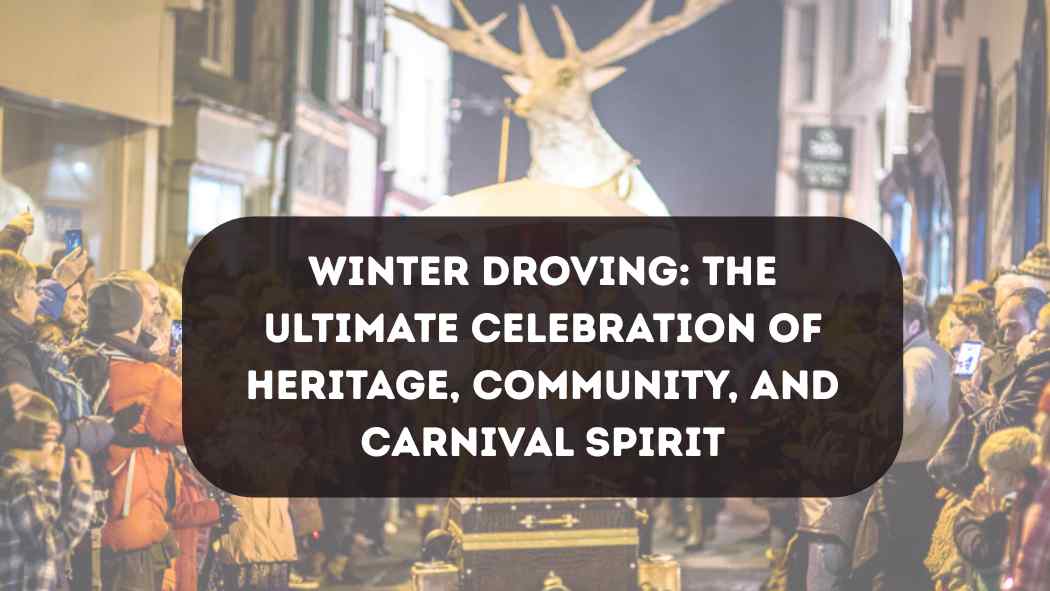
The keyword winter droving evokes a powerful blend of ancient heritage, seasonal ritual, modern creativity, and community celebration. It is more than a festival. It is a living tribute to history and identity, drawing thousands of people every year to the market town of Penrith in Cumbria. Here, the past and present collide in dazzling displays of fire, music, masked performers, and rich northern folklore. While rooted in old traditions of droving livestock across Britain, the Winter Droving festival has evolved into a cultural masterpiece that celebrates rural heritage with imagination and pride.
In today’s world of modern technology and commercial events, winter droving stands apart because it is built on culture, storytelling, and community. The festival revives a way of life that once sustained entire populations and economies. It is at once rustic, theatrical, historical, and modern. It rekindles the agricultural and pastoral lifestyle that shaped the people of northern England for centuries. It is the survival of a powerful legacy, retold through the language of lanterns, drums, flames, parades, and masks.
What is Winter Droving?
To understand winter droving, one must begin with the historical meaning of the word droving. In Britain’s rural past, drovers were the people responsible for herding animals such as cattle and sheep over long distances to markets. These journeys could take days or weeks as livestock travelled across remote landscapes and through small villages. The roads used were known as the drovers’ roads. These routes were essential to the agricultural economy before railways and motor vehicles existed.
Over time, droving declined as new transport developed. Yet the memory did not fade. It survived as a symbol of rural endurance, working-class identity, and the deep connection between people and land. Winter Droving takes this historic activity and transforms it into a festival that honours the legacy of rural industrial life. Instead of herding actual animals, people now gather in great numbers, dressed in elaborate masks and costumes. The streets become alive with fire, storytelling, music, and folklore.
The Modern Festival
Winter Droving is unique because it blends historical authenticity with theatrical spectacle. It takes place in Penrith, a town in northern England known for its strong agricultural roots and traditional character. Each year, the streets are transformed into a carnival landscape that celebrates all things rural, seasonal, and local. The festival includes parades, food markets, artisan stalls, theatre and dance performances, street musicians, and breathtaking fire displays.
One of the most iconic elements is the grand procession. Participants parade through the streets carrying lanterns and torches. Their masks sometimes resemble animals or mythical figures, echoing ancient seasonal rituals and the rural spirit of the hills and valleys surrounding the town. It has similarities with European winter carnivals, pagan processions, solstice festivals, and seasonal fire rituals. Yet Winter Droving remains distinct because it is tied directly to the history of droving and the cultural identity of the region.
The Cultural Importance of Winter Droving
Winter Droving reflects more than entertainment. It carries cultural meaning and emotional value for local people and visitors alike. It represents identity, belonging, and memory. Many small towns across England are proud of their heritage, and Winter Droving gives Penrith and the broader Cumbrian region a platform to express that pride publicly.
Several key themes define the cultural significance of Winter Droving:
Celebration of Rural Life
Winter Droving honours the lives and labour of those who built the agricultural history of the region. It is a tribute to farmers, herders, rural workers, and the animals that fed a nation. In a time where urban life dominates, Winter Droving reconnects people with the countryside and traditional working-class communities.
Intergenerational Connection
The festival bridges past and present. Children witness the heritage of their ancestors, and older generations see their traditions passed on and reimagined. It is storytelling in a public setting where memory becomes art.
Community and Togetherness
The festival is a gift to the community. It invites neighbours, friends, and visitors to gather, participate, and celebrate together. It restores a sense of unity and local pride.
The Spirit of Masks and Costume
Costumes and masks play a central role in the Winter Droving festivities. They add mystery, personality, and creativity to the atmosphere. Many masks are inspired by animals, especially those that would have been driven along drovers’ roads centuries ago: cattle, sheep, goats, and even geese. Others represent mythical creatures, forest spirits, or fire deities. Wearing a mask transforms the festival into a celebration of imagination and identity. It allows participants to step into a different world, one that carries elements of ancient custom and carnival tradition.
The Role of Fire and Light
The use of lanterns and fire in the procession symbolises several powerful ideas. Fire illuminates the darkness of the winter season, bringing warmth and brightness to cold evenings. It recalls rituals from across the world where torches and flames were used to mark seasonal changes, harvest festivals, and the beginning of winter. Fire becomes both practical and symbolic: it keeps the community warm, lights the streets, and represents strength against the cold.
Local Food, Art, and Music
Winter Droving supports local businesses, artists, and food producers. Market stalls sell regional produce, handmade crafts, and artisan goods. Traditional food plays an important role in building atmosphere and showcasing local culture. Live music fills the town with sound and energy. Every element emphasises craftsmanship, local talent, and celebration rather than commercial or corporate activity.
Tourism and Economic Importance
Winter Droving has become a significant event for local tourism. Thousands of visitors travel to Penrith during the festival. Hotels and restaurants benefit, and small independent businesses receive valuable exposure. The festival positions the town on the cultural map, attracting national attention and media coverage. It strengthens the local economy while preserving heritage and tradition.
Why Winter Droving Remains Popular
The success of Winter Droving can be explained by several factors. It provides an escape from modern urban life and allows people to participate in something real and grounded. It blends heritage, art, and celebration in an accessible and inclusive way. Many festivals are commercial or artificial. Winter Droving is authentic. It belongs to the community that created it.
The festival also appeals to modern tastes in creativity, theatre, costume, and street performance. It is Instagram-worthy without being superficial. It is ancient without being outdated. It is festive without being commercialised. It is both deeply traditional and refreshingly modern.
The Future of Winter Droving
The festival has proven its resilience and popularity even in unpredictable weather or organisational challenges. It continues to grow, evolve, and attract attention. Future editions are likely to expand with new features, artistic collaborations, or even international visitors. The spirit of Winter Droving will continue because it represents values that never expire: shared history, seasonal rhythm, creativity, and community strength.
Conclusion
Winter Droving is more than a festival. It is a revival of heritage and the spirit of rural Britain. It keeps alive the memory of drovers and the agricultural traditions that shaped the identity of the region. It offers a unique experience where ancient customs meet modern creativity. Winter Droving is proof that tradition can be celebrated in bold, artistic, and meaningful ways. It brings people together, honours history, and lights up winter with music, fire, and community spirit. It is a festival that deserves recognition, respect, and celebration—not only for its beauty and excitement but for the powerful message it carries about culture, identity, and the importance of shared heritage.