If you smoke or used to smoke, you have probably noticed how much the landscape has changed. Cigarettes are no longer the only option on the table. From vaping to smokeless products, modern smoking alternatives are everywhere. But are they actually better for your health, or is it just clever marketing?
Understanding what these products do to your body helps you make informed choices. And when it comes to your health, clarity really matters.
Smoking versus modern alternatives
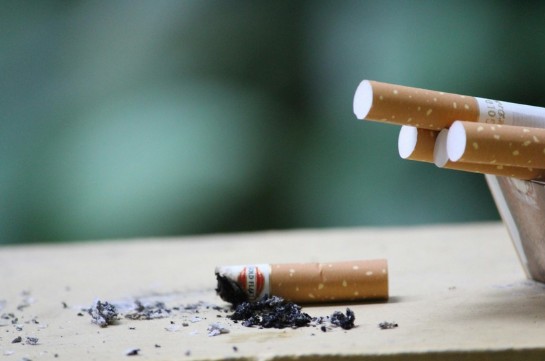
Traditional cigarettes work through combustion. You light them, inhale smoke and with it thousands of harmful chemicals. Cigarette smoke contains more than 7,000 chemicals, many of which are toxic or cause cancer.
Modern alternatives work differently. Products such as vaping devices and nicotine pouches don’t involve burning tobacco. That single difference has a big impact. Without combustion, there is no smoke, no tar and far fewer toxic by-products. That is why many experts agree that these alternatives are likely to be less harmful than smoking. But less harmful does not mean harmless. Nicotine is still involved, and it comes with its own risks.
So what does that mean for you?
The role of nicotine in your health
Nicotine is the substance that keeps people hooked. It stimulates the brain, increases alertness and creates that familiar craving cycle. While nicotine itself is not the main cause of smoking-related cancers, it’s still addictive and can affect your cardiovascular system.
You may experience:
- Increased heart rate
- Higher blood pressure
- Strong dependence over time
This applies whether nicotine comes from cigarettes or smokeless products. The difference lies in what comes with it. Cigarettes deliver nicotine alongside toxic smoke. Alternatives aim to reduce that extra damage.
Why smokeless products are gaining attention

Smokeless products are growing in popularity, especially among adults trying to move away from cigarettes. Nicotine pouches are one example; they sit under the lip and release nicotine without smoke, vapour or tobacco leaf.
Why are people choosing them?
Convenience plays a role. You don’t need to step outside or light anything. There is no smell and no second-hand smoke. For some users, it feels like a practical step away from cigarettes rather than a huge lifestyle statement.
There is also a strong harm-reduction argument. By removing combustion, smokeless products may significantly lower exposure to harmful chemicals. Early research supports this idea, although long-term data is still developing. That uncertainty is important. These products are newer, so we don’t yet have decades of evidence as we do with cigarettes.
Regulation and public health concerns
Rules around modern smoking alternatives vary widely. Some countries see them as tools to reduce smoking rates. Others’ worry shows that easier access could attract people who never smoked in the first place.
Youth uptake is a major concern. Products that are discreet and flavoured can appear low-risk, even when they are not. That is why regulation often focuses on marketing, age limits and product standards.
For you as a consumer, this means staying informed. What is legal and regulated in one country may not be in another. Regulation also affects quality control and safety.
So, are modern alternatives a good choice?
If you don’t smoke, the safest option is simple. Don’t start using nicotine at all. If you do smoke, switching to a non-combustible alternative may reduce harm. Many health bodies agree that moving away from cigarettes is a positive step. But quitting nicotine entirely remains the best outcome for long-term health. Being informed puts you back in control.
Modern smoking alternatives are changing how people think about nicotine and harm reduction. They are not risk-free, but they may offer a less damaging option for smokers who are not ready or able to quit.
Understanding how these products work, what they contain and how they affect your body helps you make choices that align with your health goals. And that knowledge is far more powerful than any marketing claim.