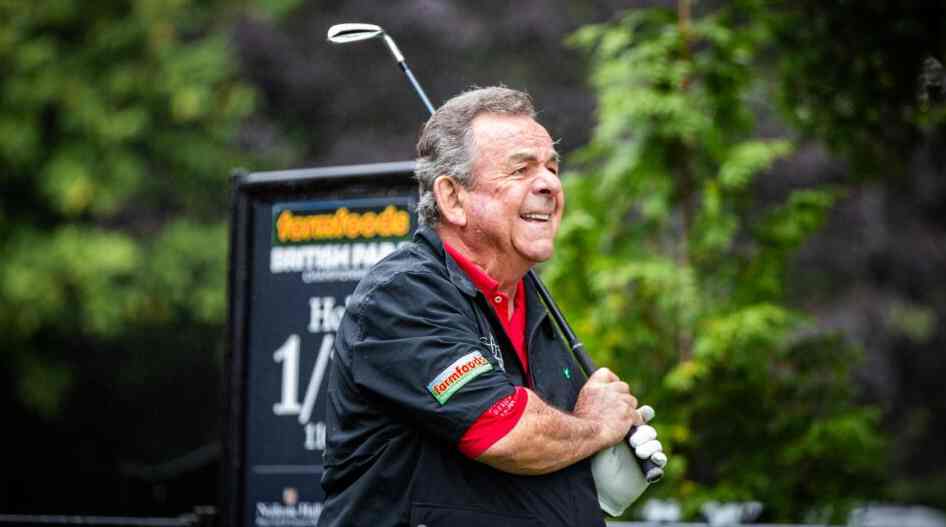
Few names in British golf carry the same weight and enduring respect as Tony Jacklin. A trailblazer on and off the course, he not only achieved personal success at the highest level but also reshaped the identity and confidence of European golf during a pivotal era. From winning major championships to leading Europe to Ryder Cup glory, Tony Jacklin’s influence extends far beyond trophies and titles.
Early Life and Background
Growing Up in Yorkshire
Tony Jacklin was born on 7 July 1944 in Scunthorpe, Lincolnshire, England. Raised in a modest working-class family, his early years were far removed from the prestige often associated with professional golf. His father worked as a steelworker, and like many young boys in the area, Jacklin initially gravitated towards football.
However, his path soon changed when he discovered golf at a local municipal course. It was here that Tony Jacklin developed a passion for the sport that would define his life. Practising tirelessly and showing remarkable natural ability, he quickly began to stand out among his peers.
Early Influences and Development
Jacklin’s early exposure to competitive golf came through local tournaments and amateur circuits. His determination and self-belief were evident from the start. Unlike many of his contemporaries who had access to elite coaching, Tony Jacklin largely developed his skills through dedication and persistence.
His rise through the amateur ranks signalled the arrival of a new kind of British golfer—one who combined technical skill with mental toughness.
Turning Professional and Early Career
Entering the Professional Scene
Tony Jacklin turned professional in 1962, stepping into a world dominated by American golfers. At the time, British and European players struggled to compete consistently on the global stage, particularly in major championships.
Despite these challenges, Tony Jacklin quickly made a name for himself on the European circuit. His early wins demonstrated his ability to handle pressure and compete against more experienced players.
Breakthrough Moments
The late 1960s marked a turning point in Jacklin’s career. His performances became more consistent, and he began to attract international attention. His confidence grew, and so did his ambition to compete with the best in the world.
Major Championship Success
The 1969 Open Championship
One of the defining moments in Tony Jacklin’s career came in 1969 when he won The Open Championship at Royal Lytham & St Annes. This victory was historic, as he became the first British player in nearly two decades to win the prestigious tournament.
The win was not just personal—it was symbolic. It reignited belief in British golf and inspired a new generation of players.
The 1970 U.S. Open Triumph
Tony Jacklin followed up his Open success with another major victory at the 1970 U.S. Open. Competing on American soil against the world’s best, he delivered a performance of exceptional quality and composure.
Winning both The Open and the U.S. Open placed Tony Jacklin among the elite golfers of his era. It also solidified his reputation as a player capable of succeeding under the most demanding conditions.
Ryder Cup Legacy
A Player in Difficult Times
During Tony Jacklin’s early Ryder Cup appearances, Europe (then Great Britain and Ireland) struggled heavily against the United States. The competitions were often one-sided, and morale within the team was low.
Despite this, Tony Jacklin consistently performed with pride and determination. He believed that European golf had the potential to compete at the highest level.
Transformational Captaincy
Tony Jacklin’s most significant contribution to golf came during his time as Ryder Cup captain from 1983 to 1989. His leadership transformed the European team from underdogs into genuine contenders.
Key Changes Introduced
- Fostered unity and team spirit
- Encouraged belief and confidence
- Promoted a professional and strategic approach
- Integrated players from continental Europe
Under Tony Jacklin’s captaincy, Europe achieved remarkable success, including:
- A famous victory in 1985
- Retaining the trophy in 1987 on American soil
- A competitive performance in 1989
These achievements marked a turning point in Ryder Cup history. Tony Jacklin helped lay the foundation for Europe’s future dominance in the competition.
Playing Style and Strengths
Technical Excellence
Tony Jacklin was known for his smooth and controlled swing. His ball-striking ability was among the best of his generation, allowing him to compete effectively on a variety of courses.
Mental Strength
One of Tony Jacklin’s greatest assets was his mental resilience. Whether facing intense pressure in major championships or representing his team in the Ryder Cup, he remained composed and focused.
Competitive Edge
Jacklin’s determination set him apart. He had a strong desire to win and a willingness to challenge established norms, particularly in an era when European players were often underestimated.
Life Beyond Competitive Golf
Transition into Leadership and Mentorship
After stepping away from full-time competitive golf, Tony Jacklin remained deeply involved in the sport. His experience and insight made him a valuable mentor to younger players.
He also took on roles in golf administration and commentary, sharing his knowledge with a wider audience.
Business Ventures and Public Appearances
Tony Jacklin expanded his influence through business ventures, including golf course design and consultancy. He also became a respected public speaker, often sharing lessons from his career.
Honours and Recognition
Tony Jacklin’s contributions to golf have been widely recognised. His achievements earned him numerous awards and honours, including:
- Induction into the World Golf Hall of Fame
- Appointment as a Commander of the Order of the British Empire (CBE)
- Knighthood for services to golf
These honours reflect not only his success as a player but also his impact on the sport as a whole.
Influence on European Golf
Changing Perceptions
Before Tony Jacklin’s rise, European golfers were often seen as secondary competitors compared to their American counterparts. His success challenged this perception and proved that European players could compete at the highest level.
Inspiring Future Generations
Tony Jacklin’s achievements inspired a wave of talented European golfers, including those who would go on to dominate the sport in later decades.
His leadership in the Ryder Cup created a culture of belief that continues to define the European team today.
Personal Life
Tony Jacklin has maintained a relatively private personal life. He has spoken openly about the challenges he faced throughout his career, including injuries and personal struggles.
Despite these challenges, he has remained a respected and admired figure in the golfing community.
Legacy and Lasting Impact
Tony Jacklin’s legacy is defined by more than just victories. He changed the mindset of European golf, proving that success was achievable through belief, preparation, and unity.
His role in transforming the Ryder Cup into a fiercely competitive and globally celebrated event cannot be overstated.
Today, Tony Jacklin is remembered as both a champion and a visionary—a man who reshaped the sport and inspired generations.
Conclusion
Tony Jacklin stands as one of the most influential figures in the history of golf. His achievements as a player brought pride back to British golf, while his leadership reshaped the future of European competition. Through determination, skill, and vision, he left an enduring mark on the sport that continues to resonate today.
From humble beginnings to global recognition, Tony Jacklin’s journey is a powerful reminder of what can be achieved through passion and perseverance.