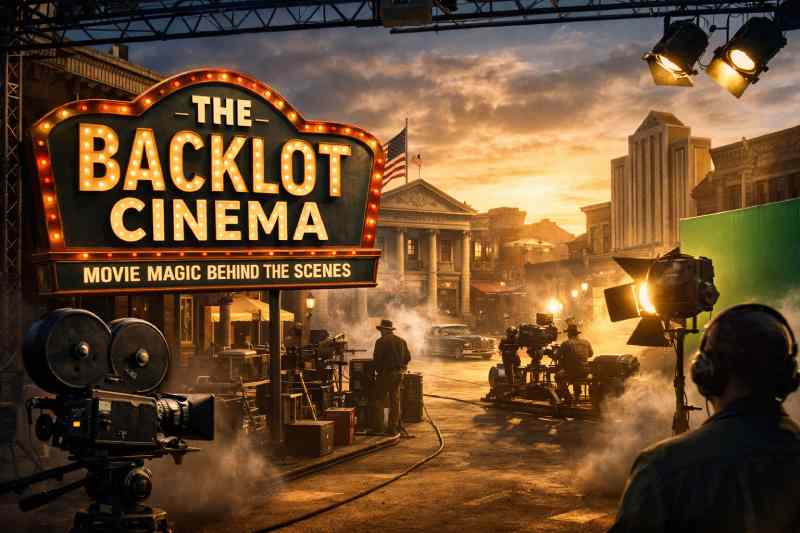
Cinema has always fascinated audiences with its ability to transport viewers into different worlds. From epic historical dramas to futuristic science fiction, films create environments that feel authentic and immersive. One concept closely associated with the filmmaking process is the backlot, a space where movie sets are built and cinematic stories come to life. In recent years, the idea of The Backlot Cinema has grown in popularity as both a cultural concept and a cinematic experience inspired by the environment of film production.
Understanding the Concept of Backlot Filming
Before exploring the idea behind The Backlot Cinema, it is important to understand what a backlot actually is. In film production, a backlot refers to an outdoor area within a movie studio where large sets are constructed for filming exterior scenes.
Unlike traditional locations such as real streets or buildings, backlots are carefully designed spaces where filmmakers can control every aspect of the environment. Entire towns, neighbourhoods, historical settings, or fictional landscapes can be created within these studio grounds.
Backlots became especially important during the early decades of cinema when studios preferred to produce films in controlled settings rather than travel to distant locations. With carefully designed sets, directors could film multiple productions using the same environment while adjusting details to suit different storylines.
The concept behind The Backlot Cinema draws inspiration from this creative environment, celebrating the spaces where cinematic imagination becomes reality.
The Origins of Studio Backlots
Early Hollywood Studio Systems
During the Golden Age of Hollywood in the 1920s through the 1950s, major film studios operated like small cities. They maintained sound stages, editing rooms, costume departments, and large outdoor backlots where filmmakers constructed elaborate sets.
These backlots often included streets that resembled New York, European towns, or small American villages. Buildings were frequently built as façades rather than fully functional structures. From the camera’s perspective they looked authentic, but behind them was space for lighting equipment, cameras, and crew members.
The environment that inspired The Backlot Cinema emerged during this period, when studios became the centre of cinematic creativity.
Reusable Sets and Efficient Production
One of the most practical advantages of studio backlots was the ability to reuse sets. A single street might appear in multiple films with minor modifications. A building that represented a Western saloon in one production could be redecorated to look like a modern restaurant in another.
This approach saved production costs and allowed studios to maintain consistent control over filming schedules. Weather, noise, and lighting could all be managed within the studio environment.
The spirit of innovation and efficiency behind these backlot productions is an essential part of the cultural identity associated with The Backlot Cinema today.
How Backlot Environments Are Designed
Creating Realistic Film Sets
Designing a backlot requires a careful balance between realism and practicality. Set designers and production teams collaborate to construct environments that look convincing on screen while remaining easy to film within.
Buildings are often designed with removable walls or open backs so that cameras and lighting equipment can be positioned easily. Props, decorations, and temporary structures help transform the same location into multiple settings.
In many ways, the creative craftsmanship behind these sets reflects the artistic vision represented by The Backlot Cinema, where the illusion of reality is carefully constructed for storytelling.
The Role of Production Designers
Production designers play a central role in shaping the visual identity of film sets. They work closely with directors and cinematographers to ensure that every detail contributes to the story’s atmosphere.
For example, the colour of buildings, the layout of streets, and even the placement of small props such as signs or street lamps can influence the mood of a scene.
In environments inspired by The Backlot Cinema, production design becomes a powerful storytelling tool that transforms ordinary spaces into memorable cinematic worlds.
Why Backlot Filming Became So Popular
Controlled Production Conditions
One major reason filmmakers relied on backlots was the ability to control the filming environment. Weather conditions, traffic noise, and unpredictable elements could disrupt production on real locations.
Within a studio backlot, directors could manage lighting, sound, and camera movement with much greater precision.
This controlled setting allowed film crews to focus on performance and storytelling, which is one of the reasons the creative idea behind The Backlot Cinema remains relevant even today.
Cost Efficiency for Large Productions
Producing films can be extremely expensive, particularly when scenes require travel to multiple locations. Backlots allowed studios to reduce these costs significantly.
Instead of transporting large crews to distant places, filmmakers could construct realistic environments within studio grounds.
The cost-effective efficiency of backlot filming helped shape the classic Hollywood production model and continues to influence cinematic practices connected with The Backlot Cinema concept.
The Evolution of Backlots in Modern Filmmaking
The Rise of Location Shooting
As filmmaking technology advanced, directors began to favour real-world locations for greater authenticity. Portable cameras, improved sound equipment, and more flexible production methods made location filming easier.
Audiences also started to appreciate the realism that genuine environments could provide.
Despite this shift, the creative spirit associated with The Backlot Cinema did not disappear. Instead, it adapted to new production techniques and technologies.
Combining Practical Sets with Digital Effects
Today’s film industry frequently combines traditional backlot sets with digital visual effects. Partial environments may be built physically while computer-generated imagery extends the world beyond what exists on the set.
For example, a small street constructed on a studio backlot can be digitally expanded into a vast cityscape.
This blend of physical craftsmanship and digital technology reflects the modern interpretation of The Backlot Cinema, where traditional filmmaking techniques meet contemporary innovation.
The Cultural Influence of Backlot Cinema
Celebrating the Art of Filmmaking
Beyond its technical meaning, the idea of The Backlot Cinema represents the culture of filmmaking itself. It symbolises the creative process behind movies—the set construction, artistic design, and collaborative effort required to produce cinematic stories.
Film enthusiasts often find these behind-the-scenes environments just as fascinating as the finished films.
Inspiration for Cinematic Entertainment Venues
In recent years, the concept has also inspired entertainment venues, themed cinemas, and film experiences that recreate the atmosphere of studio production.
These venues may include film-themed décor, classic movie references, or design elements inspired by studio backlots.
Such spaces aim to give audiences a deeper appreciation of the filmmaking process while enjoying the cinematic experience.
The Backlot Experience for Film Lovers
Educational Opportunities
Film studios and themed cinemas sometimes offer tours that allow visitors to explore backlot environments. These tours provide insight into how sets are constructed and how scenes are filmed.
Visitors can observe the craftsmanship involved in creating buildings, streets, and landscapes that appear on screen.
Experiences like these capture the essence of The Backlot Cinema, where audiences gain a closer look at the world behind the camera.
Connecting Audiences with Movie History
For many film lovers, exploring backlot environments offers a unique connection to cinematic history. Walking through a street used in famous films can feel like stepping into the story itself.
These experiences help preserve the legacy of classic filmmaking traditions while introducing new generations to the creative heritage of cinema.
The fascination surrounding The Backlot Cinema continues to grow as audiences seek more immersive ways to engage with film culture.
The Future of Backlot-Inspired Cinema
Hybrid Production Environments
The future of filmmaking will likely continue blending traditional studio sets with advanced digital technology. Virtual production techniques, LED walls, and real-time visual effects are already transforming how movies are made.
However, physical environments remain important because actors and directors benefit from tangible sets.
As technology evolves, the creative philosophy associated with The Backlot Cinema will likely adapt while preserving the craftsmanship that has defined film production for decades.
The Enduring Appeal of Studio Storytelling
Despite changes in technology, the charm of studio filmmaking remains powerful. Carefully constructed sets allow filmmakers to create worlds that might not exist in reality.
This imaginative process lies at the heart of cinema itself.
The enduring appeal of The Backlot Cinema reflects the timeless desire to tell stories visually and transport audiences into extraordinary environments.
FAQs
What does the term backlot mean in filmmaking?
A backlot is an outdoor studio area where film sets are built to represent streets, towns, or other locations used for movie and television productions.
Why are backlots important in film production?
Backlots allow filmmakers to control lighting, sound, and environment while reducing travel costs and improving production efficiency.
Are backlots still used in modern filmmaking?
Yes, although many films also use real locations and digital effects, backlots remain valuable for controlled filming environments.
Can the public visit backlot sets?
Some film studios offer tours that allow visitors to see backlot sets and learn about the filmmaking process.
How does The Backlot Cinema relate to movie culture?
The Backlot Cinema represents the creative environment where films are made and celebrates the behind-the-scenes craftsmanship of cinematic storytelling.
Conclusion
Cinema has always been a blend of imagination, artistry, and technical innovation. The concept of The Backlot Cinema reflects this creative heritage by highlighting the studio environments where filmmakers construct the worlds audiences see on screen. From the early days of Hollywood studio systems to modern hybrid production techniques, backlot filmmaking has played a crucial role in shaping the industry.