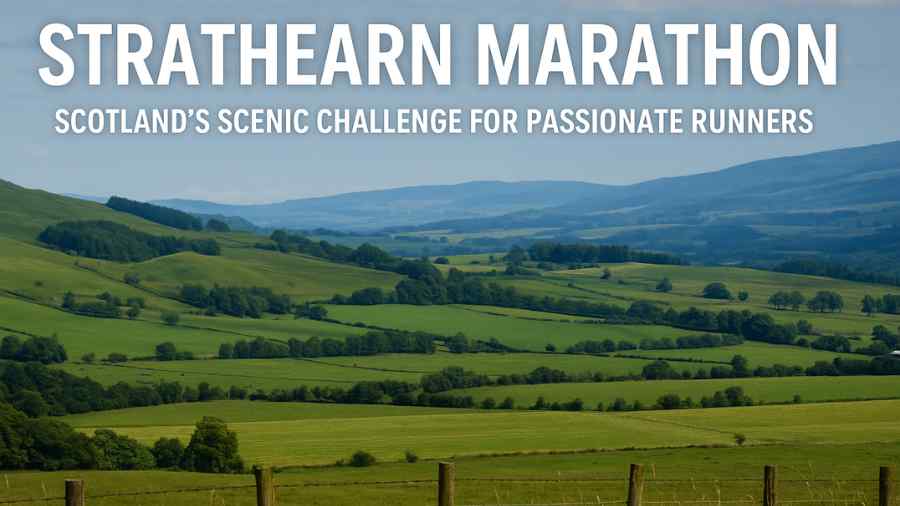
The strathearn marathon has established itself as one of the most loved long-distance running events in Scotland, attracting runners who seek more than just a race. It offers sweeping views of Perthshire’s tranquil highlands, a route filled with natural beauty, and a community-centred atmosphere that runners often describe as memorable and rewarding. This marathon is not a high-glamour city event crowded with commercial banners or congested start lines. Instead, it’s a celebration of running in its purest form—laid-back, scenic, tough enough to test the legs, yet friendly enough to make every participant feel welcomed.
What Makes the Strathearn Marathon Special?
Scotland offers many running events, but Strathearn has a charm of its own. Its rural backdrop and rolling hills create an environment that makes the journey as rewarding as the finish line itself. Runners often highlight the marathon’s friendly volunteers, calm country roads, and energetic community support. It isn’t unusual to see locals cheering from garden gates, cyclists pacing alongside certain stretches, and fellow runners encouraging each other up the steep climbs.
The marathon is usually hosted near Comrie, a picturesque village surrounded by farmland, green valleys, and woodland. Instead of city crowds and traffic, participants enjoy quiet roads bordered by stone walls, sheep-grazing fields, and panoramic landscapes. The silence of nature is broken only by foot strikes, steady breathing, and the occasional song of birds overhead. For many, this is a refreshing escape from busy life—a chance to connect with nature while pushing physical limits.
Compared to flat road marathons, the Strathearn course introduces elevation changes that challenge endurance. However, these hills also add character. Each climb rewards runners with sweeping views across Strathearn, making the effort worthwhile. It is the kind of marathon that tests resilience but pays back with unforgettable memories.
Location and Race Atmosphere
The marathon typically begins near Cultybraggan, a historic former military camp that now serves as a cultural landmark. From the moment participants arrive, the atmosphere feels personal and welcoming. Volunteers often greet runners by name, race numbers are handed out with smiles, and there is a sense of community rarely found in large-scale races. Instead of corporate booths, you find local stallholders, warm beverages, and runners exchanging last-minute preparation tips.
The sound of announcements calling athletes to the start line builds anticipation. Some participants jog lightly to warm up, while others laugh nervously and take pre-race photos with friends. First-timers often express a mix of excitement and worry about the hills ahead. Veteran runners, however, reassure them that pacing sensibly is the key.
When the race begins, the pack moves through a controlled loop inside the camp area before heading onto the open road. The early miles help settle nerves and create rhythm. With open countryside views all around, the stress of racing shifts to the enjoyment of movement.
Throughout the route, marshals stationed at various points provide water, support, and cheerful motivation. Even when fatigue kicks in around the later miles, a friendly voice calling out “You’re doing great!” can be surprisingly powerful. This human connection gives Strathearn its heart.
A Detailed Look at the Course Route
The strathearn marathon route is mainly on quiet tarmac roads, offering a smooth running surface full of rolling elevation. The total climb is substantial enough to challenge pacing strategies, especially for those accustomed to flat urban marathons. The hills come in waves—none impossibly steep, but collectively demanding. Conserving energy early becomes essential.
The first segment takes runners through gentle farmland and woodland roads. Temperature is usually cool in the morning, which helps performance. Around the 10-mile mark, a notable climb appears. This is where pacing discipline matters: going too fast early may lead to heavy legs later.
Mid-race stretches open up to breathtaking rural scenery. Many runners claim that this is when the marathon feels almost meditative. The sights of rolling green hills, old stone cottages, and open sky make time pass beautifully. Sheep and cattle graze lazily nearby, paying little attention to the race, while the occasional breeze offers relief.
The final miles test mental grit. As the body tires, the road gradually bends back towards Comrie. Volunteers and spectators gather around key points, handing out water and encouragement. Crossing the finish line here is satisfying—a blend of physical achievement and emotional joy. Medal in hand, runners take photos, stretch on the grass, and exchange stories about their race journey.
Weather and Conditions to Expect
Scotland’s weather can be unpredictable, which is part of the adventure. Early starts often bring cool temperatures, helpful for strong pacing. However, wind and light rain are always possibilities. Clouds may linger, but sunny breaks can also appear unexpectedly. Light layers, a hat, and sunscreen can all be useful depending on the day.
Hydration is crucial even in cooler climates. The hills increase effort, meaning runners sweat more than they expect. Aid stations help maintain balance, but carrying small personal hydration can also be wise, especially for those pacing slower.
Training for variable weather helps build confidence. Long runs in drizzle, gusty wind, or mild sunshine prepare the body and mind for race-day conditions. It’s not about perfection—it’s about readiness.
How to Train for the Strathearn Marathon
Preparing for the Strathearn Marathon requires more than just standard mileage. The hills mean every training plan should include elevation work. Hill repeats, trail sessions, and long runs with gradual climbs improve leg strength and cardiovascular capacity.
A balanced 12- to 18-week plan often includes:
-
Three to five weekly runs, mixing easy runs, tempo sessions, and long slow distance training.
-
Hill workouts, such as repeated climbs of 200–600 metres.
-
Strength training, focusing on quads, glutes, core, and hamstrings.
-
Recovery and stretching, preventing injury and improving endurance.
-
Nutrition planning, especially carbohydrate and electrolyte strategy.
Mental preparation is equally important. The final miles of a marathon rely on mental discipline as much as physical conditioning. Practising positive self-talk and visualisation helps runners push through the difficult stretches.
Accommodation and Travel Experience
Runners travelling from other regions often choose to stay in or around Comrie, Crieff, or Perth. These villages offer a peaceful retreat after training, as well as local cafes and bakeries perfect for a pre-race meal. Many runners enjoy arriving a day early to explore the area, visit local shops, or walk near the River Earn to relax.
The community spirit continues after the race. Local guesthouses and inns frequently host runners who spend the evening sharing race highlights over warm meals. This is what makes the Strathearn experience bigger than the marathon itself—it becomes a short holiday wrapped in athletic achievement.
Why the Strathearn Marathon Deserves Recognition
In a world where large events often overshadow smaller races, Strathearn stands as a refreshing example of true sportsmanship. The marathon is organised with passion rather than commercial branding. Volunteers give their time, villagers show genuine enthusiasm, and runners feel valued.
For athletes seeking a personal best, the undulating terrain might be challenging, yet achievable with proper pacing. For those running their first marathon, Strathearn provides an intimate community feel that reduces anxiety. For seasoned runners who crave a scenic challenge, it delivers inspiration in every mile.
This marathon teaches endurance, patience, and appreciation of nature. Finishing it is more than earning a medal—it is proof of dedication and love for the sport.
Conclusion
The strathearn marathon is more than a race; it is an experience that blends Scottish countryside beauty, communal encouragement, and athletic achievement. Its rolling hills test stamina, its crisp air refreshes the spirit, and its atmosphere nourishes the soul. Whether you run to challenge your limits, enjoy a scenic escape, or join a friendly running community, Strathearn promises a memorable journey from start to finish.
With proper training, preparation, and a steady pace, anyone can cross that finish line with pride. Every step along those rural miles tells a story of determination—and those who run it often return with a sense of fulfilment they carry long after race day.