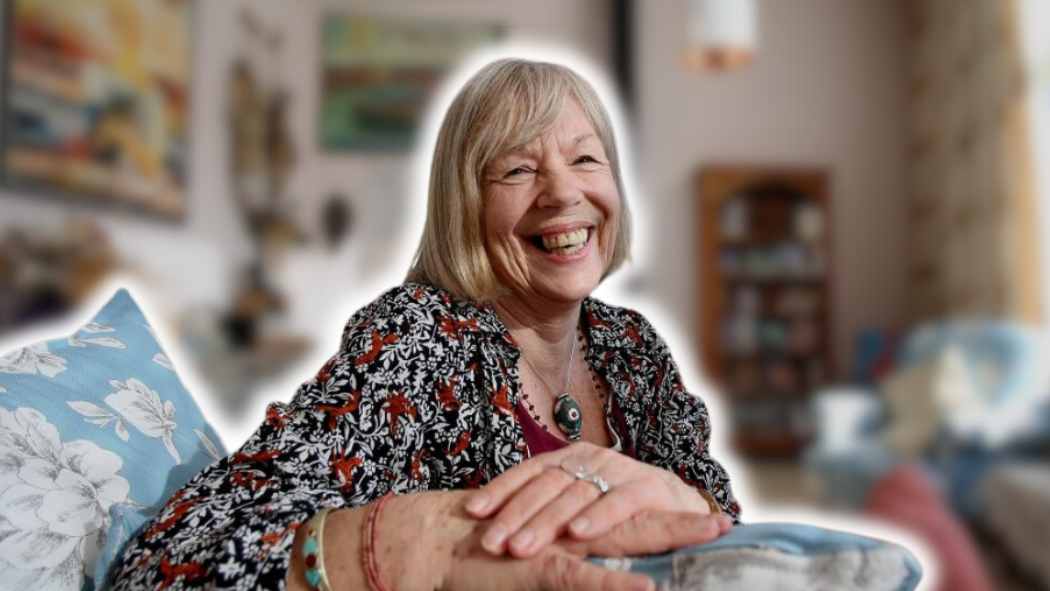
Sara Trevelyan is a name associated with healing, transformation, compassion, and deep human resilience. Her life’s journey—from her early medical training to her later work in psychotherapy, community healing, spiritual development, and social reform—reflects a rare combination of courage and commitment. Known both for her professional achievements and her personal story of strength, she has become a respected figure in mental health, spiritual counselling, and compassionate justice.
Early Life and Education
Sara Trevelyan pursued her formal education in medicine, qualifying as a doctor in London during the late 1970s. Her early years in the medical field helped her build a strong foundation in understanding the human body and the psychological and emotional forces that influence health. However, even in those early years, she felt drawn to areas beyond traditional medicine. She found herself increasingly interested in the inner emotional worlds of patients, the human stories behind symptoms, and the deeper psychological struggles that often went unaddressed.
This inclination towards a more holistic understanding of healing eventually led her away from conventional medicine and toward psychotherapy and community mental health. Her medical background remained an asset, but she began searching for approaches that could address the emotional, relational, and spiritual aspects of human suffering.
Transition into Psychotherapy
One of the defining transitions in her life was her decision to move into psychotherapy. She trained in the Person-Centred Approach, a therapeutic model developed by Carl Rogers, known for its emphasis on empathy, unconditional positive regard, and the innate capacity of individuals to grow when given the right environment. This model aligned with her natural way of relating to people. Rather than imposing rigid structures, she preferred to meet individuals where they were, without judgement.
Her experience in psychotherapy provided her with a stronger understanding of trauma, emotional wounds, and the power of compassionate listening. Her approach focused on empowering others to recognise their own inner strength and capacity for change. Over time, she became known for a gentle but deeply insightful therapeutic style.
Marriage to Jimmy Boyle: A Life-Changing Chapter
One of the most public aspects of her life was her marriage to Jimmy Boyle, a former prisoner who had gained national attention. Their connection began during Boyle’s time in the Barlinnie Special Unit in Scotland, an innovative therapeutic prison programme focused on emotional rehabilitation rather than punishment.
Their marriage drew significant public interest, but beyond the headlines, the relationship was a profound learning journey for Sara Trevelyan. It exposed her to the extreme realities of the prison system, the emotional scars carried by individuals labelled as criminals, and the transformative power of creativity and community support in rehabilitation. Her involvement in Boyle’s transformation gave her first-hand experience with the complexities of the justice system, the societal stigma attached to prisoners, and the potential for change in even the most challenging circumstances.
This chapter in her life further strengthened her commitment to compassionate justice and deeper societal healing.
Community Work and the Gateway Exchange
Following this period, Sara Trevelyan became involved in community-based healing initiatives. One of the most significant projects was the creation of the Gateway Exchange in Edinburgh, a centre designed to offer creative and therapeutic opportunities to individuals dealing with the after-effects of imprisonment, addiction, trauma, or emotional distress.
The Gateway Exchange embodied her belief that healing does not happen in isolation. It requires community, understanding, and meaningful support systems. The centre became a space where people could rebuild their confidence, develop artistic and personal skills, and reconnect with a sense of purpose.
Her community work illustrated her lifelong commitment to helping those who often fall through the cracks of society. She advocated for rehabilitation through creativity, empathy, and human dignity—an approach that stood in contrast to traditional punitive systems.
A Shift toward Spiritual Healing
Beyond psychotherapy and community work, Sara Trevelyan gradually moved toward spiritual healing. She trained in energy work, exploring how emotional and physical well-being intersect with spiritual balance. Her journey eventually led her to become an interfaith minister, a role focused on spiritual guidance, rituals, ceremonies, and compassionate support for individuals from all walks of life.
Her approach to spiritual work was not tied to any single religious belief. Instead, she embraced universal principles of compassion, presence, inner light, and human interconnectedness. This work allowed her to support people through life transitions such as grief, loss, personal reinvention, and emotional rediscovery.
Writing and Memoir
One of the most notable milestones in her life was the publication of her memoir, Freedom Found. In this book, she opened up about her personal journey, her marriage to Jimmy Boyle, her reflections on the Scottish prison system, and her eventual transformation into a healer and spiritual guide.
The memoir offered readers an intimate look at the emotional challenges, moral complexities, and spiritual revelations that shaped her life. It remains a significant contribution to discussions on healing, justice, and personal empowerment.
Approach to Healing and Personal Philosophy
Sara Trevelyan’s philosophy of healing is holistic. She believes in the integration of mind, body, emotions, and spirit. Her work reflects a deep respect for the inherent potential within every individual, regardless of their past. The following principles stand at the centre of her approach:
Compassion as a Foundation
She believes that true healing begins with compassion—both for oneself and others. She encourages people to meet their own pain with patience and kindness, rather than judgement.
Creativity as a Pathway to Transformation
Art, writing, music, and other forms of self-expression play a major role in her therapeutic and community work. She views creativity as a powerful tool for accessing unconscious emotions and releasing trauma.
Emotional Honesty
Sara Trevelyan emphasises truthfulness in one’s own emotional experience. She encourages individuals to face their fears, anger, grief, and vulnerability with courage.
Spiritual Connection
Her spiritual perspective sees every person as a unique expression of universal energy. She helps individuals explore their own sense of meaning, purpose, and inner connection.
Influence on Mental Health and Community Support
Her multi-decade career has influenced many areas, including community mental health, spiritual care, rehabilitation projects, and compassionate justice. She has inspired countless individuals—clients, students, colleagues, and community members—to embrace healing and transformation.
Her credibility comes not from academic titles alone but from lived experience, emotional depth, and the humility she carries into her work.
Legacy and Ongoing Impact
Today, Sara Trevelyan remains a respected and inspiring figure in the fields of mental health, healing, and personal transformation. Her journey shows that healing is not a single event but a continual movement toward self-understanding and compassion. Through her therapy, spiritual guidance, writing, and community involvement, she has helped shape a more humane and empathetic approach to emotional well-being.
Her life stands as an example of how a single person, grounded in authenticity, can influence individuals, communities, and conversations around justice and healing.
Conclusion
Sara Trevelyan’s story is one of courage, deep compassion, and unwavering commitment to human transformation. From her early medical career to her work in psychotherapy, her involvement in community rehabilitation, and her spiritual ministry, she has continuously sought to bring light into places of suffering. Her legacy is defined by her belief in the dignity of every human being, her dedication to healing, and her powerful message that change is always possible—no matter how challenging the circumstances.