Saffron Walden is one of England’s most picturesque historic market towns, known for its deep heritage, charming architecture, and vibrant community life. Located in the district of Uttlesford in north-west Essex, the town blends centuries of history with the character of a modern English community. Surrounded by gentle countryside and situated close to Cambridge, Saffron Walden attracts visitors, historians, and residents who appreciate traditional British culture and heritage.
The town’s identity is strongly connected to the saffron trade that flourished during the medieval period, giving it a distinctive name that has endured for centuries. From medieval castles and impressive parish churches to colourful markets and well-preserved buildings, Saffron Walden offers a unique glimpse into England’s past while continuing to thrive as a lively modern town.
The Origins and Meaning Behind the Name
The name of Saffron Walden reflects an unusual and fascinating piece of economic history. Originally, the settlement was simply known as Walden. During the fourteenth century, the area became famous for cultivating saffron crocus flowers, from which the valuable spice saffron is produced.
Saffron was extremely valuable during medieval times. It was used in cooking, medicine, dyeing fabrics, and even in religious ceremonies. Because the crop brought significant prosperity to the region, the town adopted the name Saffron Walden to reflect this important industry.
Although saffron cultivation eventually declined, the name remained and became part of the town’s identity. Even today, the saffron crocus symbol appears in local traditions and references to the town’s historical heritage.
Early Settlement and Medieval Development
The area around Saffron Walden has been inhabited for thousands of years. Archaeological discoveries suggest that people lived in the region during prehistoric times, particularly during the Neolithic and Bronze Age periods. Evidence of Roman activity has also been found nearby, indicating that the region was part of the wider Roman network of settlements in Britain.
However, the town itself began to grow significantly during the medieval era. One of the most important developments occurred in the twelfth century when Walden Castle was constructed. The castle was built around 1141 by Geoffrey de Mandeville, an influential nobleman during the turbulent period known as The Anarchy.
Although the castle eventually fell into ruin, its remains still stand today as an important historical landmark. The castle’s presence played a crucial role in establishing the town as a strategic and economic centre in the region.
Another key moment in the town’s growth was the granting of a market charter during the medieval period. Markets allowed traders and farmers to gather regularly to sell goods, which encouraged commerce and helped the settlement develop into a thriving market town.
The Historic Market Tradition
One of the defining features of Saffron Walden is its long-standing market tradition. Markets have been held in the town for many centuries and remain an important part of local life today.
The market typically takes place in the town square, where traders sell a wide range of products including fresh produce, baked goods, crafts, clothing, and antiques. The market continues to attract both local residents and visitors from surrounding villages.
Market towns played a vital role in the medieval English economy, and Saffron Walden developed a strong reputation for trade and craftsmanship. The continuation of this market tradition demonstrates the town’s commitment to preserving its heritage while adapting to modern needs.
Architectural Beauty and Historic Streets
One of the reasons visitors are drawn to Saffron Walden is its remarkable architecture. The town has retained many historic buildings that reflect different periods of English history.
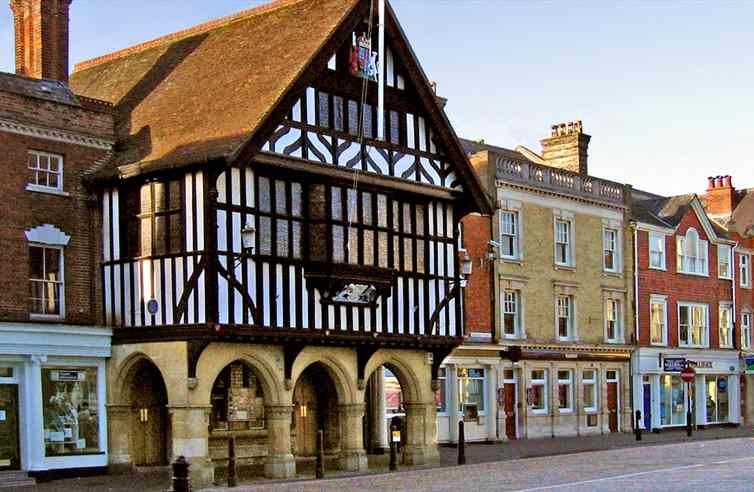
Walking through the town centre reveals narrow streets lined with timber-framed houses, Georgian townhouses, and historic shops. Many of these buildings date back several centuries and have been carefully preserved.
The architectural charm of the town creates a distinctive atmosphere that reflects traditional English design. The historic streets, combined with independent shops and cafés, make the town centre both visually appealing and lively.
Local authorities and residents have worked hard to maintain the historical character of the area, ensuring that development respects the town’s heritage.
St Mary’s Church and Religious Heritage
Among the most impressive landmarks in Saffron Walden is St Mary’s Church. This magnificent medieval parish church is one of the largest in Essex and represents an important piece of religious architecture.
Construction of the church took place over several centuries, resulting in a building that combines elements of Gothic design with later architectural additions. Its large tower and beautiful stonework dominate the town skyline.
Inside the church, visitors can find historic carvings, stained glass windows, and intricate details that reflect the craftsmanship of medieval builders. The church has played an important role in the community for generations and continues to serve as a place of worship and historical interest.
Gardens, Green Spaces, and Natural Beauty
In addition to its historic buildings, Saffron Walden is also known for its attractive gardens and green spaces. These areas provide residents and visitors with peaceful places to relax and enjoy the natural surroundings.
One of the most notable locations is Bridge End Gardens, a collection of beautifully designed Victorian gardens located close to the town centre. These gardens feature formal layouts, colourful flowers, and carefully maintained landscapes.
The surrounding countryside also adds to the town’s appeal. Rolling fields, farmland, and walking paths create opportunities for outdoor activities such as hiking and cycling.
The combination of historic architecture and natural scenery contributes to the town’s reputation as one of the most attractive places in Essex.
Cultural Life and Community Spirit
Despite its relatively modest size, Saffron Walden has a vibrant cultural scene. Local residents take pride in supporting arts, music, and community activities throughout the year.
Saffron Hall is a well-known concert venue that attracts internationally recognised musicians and orchestras. The venue hosts performances ranging from classical music to modern concerts, making it an important cultural centre for the region.
The town is also home to galleries and museums that showcase local art and history. The Fry Art Gallery, for example, features works by artists associated with the North-West Essex art movement.
Festivals, markets, and seasonal events further strengthen the sense of community. These activities encourage residents to come together and celebrate the traditions that define the town.
Education and Schools
Education has long been an important part of life in Saffron Walden. The town offers several schools that serve both local families and students from nearby villages.
Saffron Walden County High School is one of the most respected secondary schools in the region. It has gained recognition for academic achievement and a strong commitment to educational development.
Historically, the town was also home to Saffron Walden Grammar School, which played a significant role in educating generations of students over several centuries.
The presence of high-quality schools contributes to the town’s appeal for families who value education and community stability.
Economy and Modern Development
The economy of Saffron Walden has evolved considerably over time. While agriculture and the saffron trade once dominated the local economy, modern industries now play a more significant role.
Retail businesses, tourism, hospitality, and professional services all contribute to the town’s economic activity. Independent shops and local businesses remain an essential part of the high street, giving the town centre a unique character compared with larger commercial areas.
Many residents also commute to nearby cities such as Cambridge and London for work. Good transport connections allow people to enjoy the peaceful lifestyle of a historic town while maintaining careers in major economic centres.
Tourism continues to be an important sector as visitors come to explore the town’s heritage, architecture, and countryside surroundings.
Why the Town Is Highly Regarded
Over the years, Saffron Walden has developed a strong reputation as a desirable place to live. Several factors contribute to this positive reputation.
First, the town offers a rare combination of historical charm and modern convenience. Residents can enjoy traditional English architecture while still having access to contemporary amenities.
Second, the strong sense of community makes the town welcoming and friendly. Local events, markets, and cultural activities create opportunities for people to connect with one another.
Finally, the surrounding countryside and nearby cities provide both natural beauty and economic opportunity. This balance makes the town attractive to families, professionals, and retirees alike.
Tourism and Visitor Experience
Visitors to Saffron Walden often describe the town as one of the most charming destinations in Essex. Its combination of history, architecture, and community life creates an authentic English experience.
Tourists frequently explore historic streets, visit the castle ruins, and walk through gardens and parks. Cafés, restaurants, and independent shops add to the experience, allowing visitors to enjoy local food and hospitality.
Because the town is located close to Cambridge and other historic destinations, many travellers include it as part of a wider tour of eastern England.
FAQs
Why is the town called Saffron Walden?
The town gained its name because saffron crocus flowers were widely cultivated there during the medieval period. The spice produced from these flowers became a valuable local product.
Where is Saffron Walden located?
The town is located in the district of Uttlesford in north-west Essex, England, close to the border with Cambridgeshire and not far from Cambridge.
Is Saffron Walden a good place to live?
Many people consider it an excellent place to live due to its historic charm, strong schools, friendly community, and access to countryside and nearby cities.
What are the main attractions in Saffron Walden?
Visitors often explore Walden Castle ruins, St Mary’s Church, Bridge End Gardens, and the historic market square.
Does Saffron Walden still have a market?
Yes, the town maintains a long-standing market tradition where traders sell produce, crafts, and other goods in the town centre.
Conclusion
Saffron Walden stands as a remarkable example of how history and modern life can coexist in harmony. From its medieval origins and saffron trade to its thriving cultural life and welcoming community, the town has preserved its character while adapting to the needs of the present.
Its historic architecture, vibrant market tradition, beautiful gardens, and strong community spirit continue to attract visitors and residents alike. Whether someone is interested in exploring England’s past, enjoying peaceful countryside living, or experiencing traditional market town culture, Saffron Walden offers something truly special.