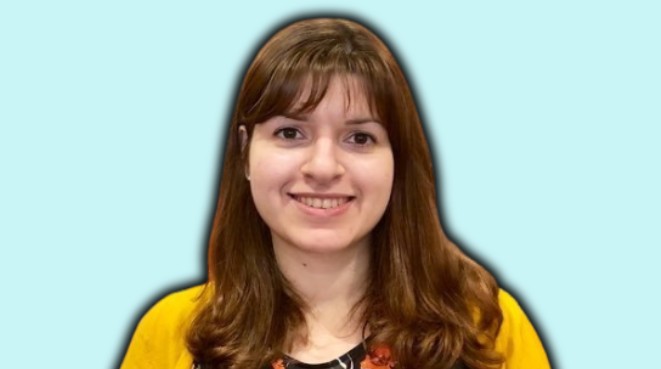
Roya Behrouzi is a name increasingly associated with thoughtful, patient-centred cancer research and the evolving practice of medical oncology in the United Kingdom. At a time when cancer care is moving rapidly towards precision medicine, her work sits at the intersection of clinical expertise and cutting-edge research. Through a combination of frontline NHS experience and academic investigation, she represents a new generation of clinicians who aim not only to treat disease but to refine how it is detected, monitored, and understood.
Early Career and Medical Foundations
Every accomplished medical professional is shaped by rigorous training, and Roya Behrouzi is no exception. Her foundation lies in a solid medical education, followed by structured postgraduate training within the UK healthcare system. This pathway is designed to balance academic learning with hands-on clinical exposure, ensuring doctors develop both technical skill and professional judgement.
During her early career, she gained experience across hospital settings where complex decision-making, patient communication, and multidisciplinary teamwork are essential. These formative years are critical for oncologists, as cancer medicine demands not only scientific knowledge but emotional intelligence and resilience. Exposure to real patient journeys often influences future research interests, particularly in areas where current treatments fall short or diagnostics can be improved.
Medical Oncology in the UK Context
Medical oncology in the UK operates within a highly regulated, evidence-based framework. Clinicians are expected to stay aligned with national guidelines while also contributing to research that shapes future standards of care. Roya Behrouzi’s professional direction reflects this dual responsibility.
As a specialty registrar in medical oncology, her clinical role involves diagnosing cancers, recommending systemic treatments such as chemotherapy, immunotherapy, or targeted therapies, and supporting patients throughout their treatment journeys. These responsibilities require a deep understanding of tumour biology, treatment side-effects, and emerging therapies.
What distinguishes many modern oncologists, including Behrouzi, is their involvement in research alongside clinical duties. This integration ensures that patient care is informed by the latest scientific evidence and that research questions remain rooted in real-world clinical challenges.
Focus on Cancer Research and Innovation
One of the most significant aspects of Roya Behrouzi’s profile is her involvement in cancer research, particularly in the area of biomarkers and molecular diagnostics. Cancer research today is increasingly data-driven, relying on biological markers to predict disease behaviour and treatment response.
Her work has been associated with research teams focusing on advanced diagnostic techniques, such as analysing genetic material found in blood samples. These approaches aim to reduce reliance on invasive biopsies while offering more dynamic insights into tumour evolution. For patients, this can mean earlier detection of treatment resistance and more personalised therapeutic strategies.
This research focus reflects a broader shift within oncology towards precision medicine, where treatments are tailored to the individual characteristics of each patient’s cancer rather than using a one-size-fits-all approach.
Lung Cancer and Clinical Significance
Lung cancer remains one of the leading causes of cancer-related mortality worldwide, and improving outcomes in this area is a major priority for oncology research. Work connected to this field often involves understanding tumour genetics, treatment resistance, and disease progression.
Roya Behrouzi’s research interests align with these challenges. By contributing to studies that examine how cancers shed genetic material into the bloodstream, she is part of a wider effort to improve monitoring and decision-making in lung cancer care. Such research has the potential to influence how clinicians assess treatment effectiveness and adjust therapy in real time.
From a public health perspective, advancements in lung cancer diagnostics and treatment have far-reaching implications, particularly given the disease’s prevalence and often late diagnosis.
Role Within the NHS and Research Institutions
Balancing work between the NHS and research institutions is both demanding and influential. Clinicians who operate in this space act as bridges between laboratory science and patient care. Roya Behrouzi’s involvement with leading UK cancer centres places her within environments known for both clinical excellence and scientific innovation.
Within these settings, collaboration is essential. Oncologists work alongside pathologists, radiologists, molecular biologists, statisticians, and specialist nurses. Such teamwork ensures that research findings are translated into practical applications that benefit patients.
Her position within these institutions also reflects trust in her professional capability and commitment to advancing oncology as a discipline.
Publications and Academic Contribution
Academic publishing is a key measure of impact in medical research. Contributions to peer-reviewed journals demonstrate not only subject expertise but also the ability to communicate complex findings clearly and responsibly.
Roya Behrouzi has been associated with academic outputs addressing cancer treatment strategies and emerging diagnostic tools. These publications contribute to the collective knowledge base that informs clinical guidelines and future research directions.
Importantly, academic work in oncology often involves collaborative authorship, reflecting the interdisciplinary nature of modern medical science. Such collaboration strengthens research quality and ensures findings are robust and clinically relevant.
Teaching, Mentorship, and Professional Development
Beyond research and clinical duties, many medical professionals contribute to education and mentorship. Teaching junior doctors, medical students, or allied healthcare professionals is an integral part of sustaining high standards within the NHS.
While individual teaching roles may not always be publicly detailed, clinicians engaged in academic medicine are often involved in training environments. Sharing knowledge, guiding research projects, and modelling professional behaviour all contribute to the long-term development of the healthcare workforce.
This aspect of a medical career underscores a commitment not only to personal advancement but to the future of the profession.
The Human Side of Oncology
Oncology is a specialty that brings clinicians into close contact with patients during some of the most challenging moments of their lives. Compassion, clear communication, and ethical sensitivity are as vital as technical expertise.
Roya Behrouzi’s dual role in research and patient care highlights the importance of maintaining a human-centred approach. Research questions are often inspired by patient experiences, and clinical insights help shape meaningful scientific investigations.
This balance ensures that innovation does not lose sight of the individual lives it aims to improve.
Influence on the Future of Cancer Care
The future of cancer care lies in earlier detection, personalised treatment, and improved quality of life for patients. Professionals like Roya Behrouzi contribute to this future by combining clinical practice with forward-thinking research.
As diagnostic technologies advance and treatments become more targeted, the role of clinician-researchers will continue to grow. Their ability to interpret data, apply findings in real-world settings, and communicate effectively with patients will shape how oncology evolves over the coming decades.
Her work reflects broader trends in UK healthcare, where evidence-based innovation is encouraged within a publicly funded system focused on patient benefit.
Public Interest and Professional Recognition
Public interest in medical professionals often grows as their research addresses widely recognised health challenges. Cancer affects nearly every family in some way, and advances in this field naturally attract attention.
While Roya Behrouzi may not be a public figure in the celebrity sense, her professional recognition lies in academic circles, clinical teams, and research communities. This form of recognition is built on credibility, contribution, and sustained effort rather than media exposure.
For readers seeking reliable information about individuals shaping modern medicine, such professional profiles offer insight into how progress is made behind the scenes.
Conclusion
Roya Behrouzi stands as a representative of modern medical oncology in the UK: clinically grounded, research-focused, and committed to improving patient outcomes. Her involvement in cancer research, particularly in innovative diagnostic approaches, highlights the direction in which oncology is moving.
Through her work within the NHS and academic institutions, she contributes to a healthcare system that values both compassion and scientific rigour. As cancer medicine continues to evolve, professionals like Roya Behrouzi will play an essential role in bridging research and practice, ensuring that advances translate into real benefits for patients.