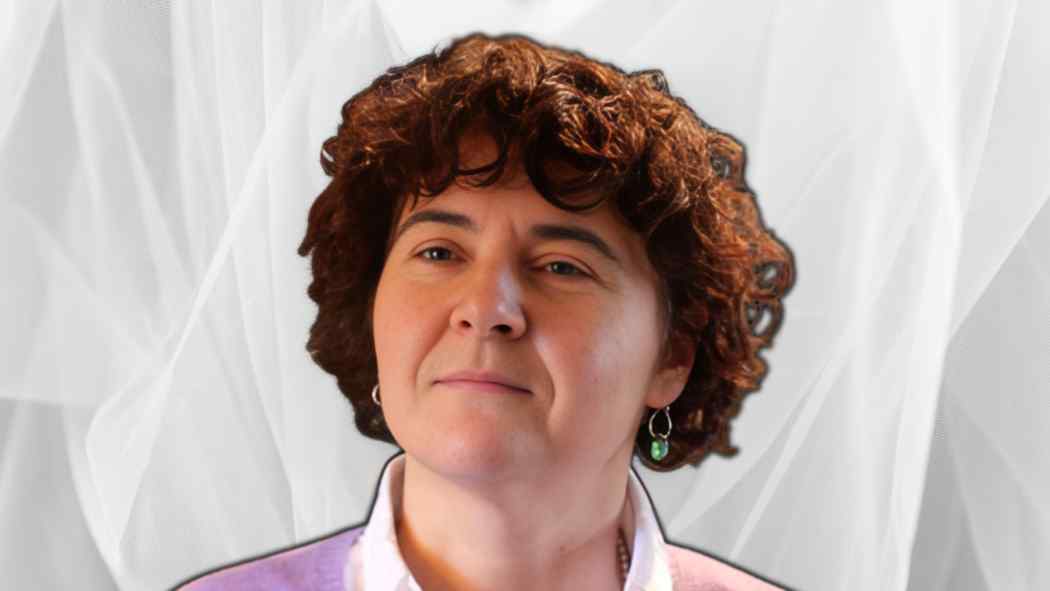
Rosamund Bartlett is one of the most influential British scholars and translators of Russian literature. Known for her impeccable translations, insightful biographies, and rich understanding of Russian culture, she has built a bridge between two civilisations through her words. Bartlett’s ability to interpret the soul of Russian writers such as Tolstoy and Chekhov, while preserving their linguistic beauty, has made her name stand out among literary scholars and readers alike. Her career is a testament to how passion, precision, and a deep love for art can transform academic study into an accessible cultural treasure for the wider public.
Early Life and Education
Rosamund Bartlett was born and raised in the United Kingdom, where her fascination with languages and history developed at an early age. She pursued her undergraduate studies at Durham University, graduating with first-class honours in Russian. Her curiosity for Russian literature and music later took her to the University of Oxford, where she earned her DPhil (PhD) with a thesis exploring the influence of Richard Wagner in Russia. This academic journey set the foundation for a career dedicated to understanding the artistic and intellectual exchanges between Russia and Western Europe.
Her education not only trained her in linguistics and translation but also gave her an analytical eye for historical and cultural context. Bartlett’s academic background remains a key reason her works resonate equally with literary experts and general readers — she unites scholarship with storytelling.
Academic and Professional Career
Rosamund Bartlett’s career spans writing, translation, teaching, and cultural preservation. She has held prestigious positions in British universities, including Brasenose College at Oxford, and has lectured globally on topics related to Russian art, music, and literature. Beyond her academic achievements, she became a public intellectual, often speaking at cultural festivals, literary conferences, and on radio programmes dedicated to European and Russian arts.
Her interdisciplinary expertise — covering literature, opera, and modernism — gives her a rare versatility. Bartlett often explores how literature interacts with other art forms, including music and painting, reflecting her belief that culture should be studied as an interconnected whole rather than in isolation.
Major Literary Works and Biographies
Rosamund Bartlett’s bibliography is filled with critically acclaimed works that highlight her depth of research and sensitivity towards her subjects. Her books are not just biographies or translations — they are living portraits of artists and their worlds.
Chekhov: Scenes from a Life
Published in 2004, this biography of Anton Chekhov reveals the complexities of one of Russia’s most beloved writers. Bartlett paints Chekhov not merely as a playwright and short-story master but as a compassionate observer of human emotion. The book explores his journey from a small-town doctor to a world-renowned author, capturing both his humour and melancholy. Bartlett’s research extends beyond literature to include Chekhov’s family life, friendships, and philosophical outlook, making the book a balanced, humane portrayal.
Tolstoy: A Russian Life
In 2010, Bartlett released Tolstoy: A Russian Life, an equally impressive work that cemented her reputation as one of the foremost interpreters of Russian culture. The biography provides a detailed narrative of Tolstoy’s evolution from a young nobleman to a moral philosopher and literary icon. Bartlett’s writing explores Tolstoy’s spiritual crises, his social activism, and his conflicts with the Orthodox Church, shedding light on how his inner struggles shaped classics like War and Peace and Anna Karenina. This biography was longlisted for the Samuel Johnson Prize and remains one of the most accessible yet scholarly accounts of Tolstoy’s life.
Wagner and Russia
Her first book, based on her doctoral research, Wagner and Russia, examines how the German composer Richard Wagner influenced Russian composers, artists, and thinkers. It showcases Bartlett’s early commitment to cross-cultural analysis — a theme that has remained constant throughout her career.
Translation Excellence
Perhaps Rosamund Bartlett’s most influential contribution lies in her translations. Her English version of Anna Karenina, published by Oxford World’s Classics, has been widely praised for its clarity, rhythm, and fidelity to Tolstoy’s original prose. Translating Russian literature is no easy task, as it requires balancing accuracy with emotional nuance. Bartlett’s translations succeed because she understands not only the language but also the cultural subtext and historical context that shape it.
She has also translated About Love and Other Stories and edited A Life in Letters by Anton Chekhov, bringing the Russian master’s intimate correspondence to English-speaking readers. Through these works, Bartlett allows new generations to experience the wit, tenderness, and realism that define Russian storytelling.
Founder of the Anton Chekhov Foundation
In addition to her literary achievements, Rosamund Bartlett founded the Anton Chekhov Foundation, an organisation dedicated to preserving Chekhov’s legacy and protecting historical sites connected to his life. The foundation played a crucial role in saving the White Dacha in Yalta — Chekhov’s final residence — from decay. Bartlett’s dedication to heritage preservation earned her the Chekhov 150th Anniversary Medal from the Russian government in 2010, a rare honour for a non-Russian scholar.
This act of cultural conservation demonstrates that Bartlett’s work extends beyond writing and academia. She sees art and literature as living entities that must be protected for future generations.
Style and Approach to Writing
Bartlett’s writing stands out for its elegance, empathy, and precision. She avoids academic jargon, preferring clear and engaging language that invites readers into the world she describes. Whether she is writing about Chekhov’s quiet humour or Tolstoy’s moral conflicts, her prose flows with warmth and authority.
Her approach to biography is equally distinctive — she never treats her subjects as distant figures of history. Instead, she brings them to life, portraying their doubts, passions, and contradictions. This makes her work relatable even to readers unfamiliar with Russian literature.
Impact on Translation and Literary Scholarship
Rosamund Bartlett belongs to a rare class of translators who redefine the art of literary translation. By focusing on both linguistic precision and emotional truth, she ensures that the essence of Russian prose remains intact in English. Her work has inspired a new generation of translators to see translation not as a mechanical act but as a creative collaboration with the author.
In academia, Bartlett has expanded how Russian literature is taught and understood. Her interdisciplinary research has influenced discussions around cultural exchange, art theory, and historical context. She shows that to truly understand literature, one must explore the environment, politics, and personal experiences that shaped it.
Public Lectures and Global Influence
Bartlett’s influence extends well beyond the classroom. She regularly delivers lectures on Russian art, literature, and music at prestigious institutions and festivals across Europe and North America. Her public talks often explore how Russian writers reflected moral and philosophical struggles that remain relevant today — such as freedom, conscience, and social justice. Through these discussions, she encourages readers to connect timeless literary themes with contemporary life.
Her insights into opera and modernist art further highlight her breadth as a scholar. Whether she discusses the emotional structure of a Chekhov play or the musicality in Tolstoy’s prose, Bartlett’s analyses are always rich, balanced, and deeply human.
Recognition and Awards
Rosamund Bartlett’s work has been recognised globally for its academic excellence and cultural importance. Receiving the Chekhov 150th Anniversary Medal from Russia remains one of her greatest honours. The award reflects her lifelong effort to strengthen the relationship between Russian and Western literary traditions.
Her translations and biographies have been featured in major literary reviews, praised for their accuracy and emotional depth. Bartlett continues to be regarded as an authoritative voice on Russian literature and an ambassador of cultural understanding.
Legacy and Ongoing Work
Even after decades of contribution, Rosamund Bartlett remains active in the literary world. She continues to lecture, write, and work on translation projects that bring Russian voices to global audiences. Her official site and public talks often feature reflections on modern interpretations of Tolstoy and Chekhov, as well as insights into the challenges of translation in the digital age.
Bartlett’s legacy will be defined not only by her books but also by the bridges she built between cultures. She has shown that literature is a shared human experience, capable of connecting people across time, geography, and ideology.
Conclusion
Rosamund Bartlett stands as one of Britain’s most respected cultural interpreters. Through her biographies, translations, and preservation work, she has opened doors to Russian literature for English-speaking audiences around the world. Her ability to combine academic depth with emotional storytelling makes her a rare voice in literary scholarship.
By translating the hearts of Tolstoy and Chekhov into the language of modern readers, Bartlett has ensured that the wisdom, beauty, and humanity of Russian literature continue to inspire generations. Her career reminds us that true artistry lies not only in creation but also in interpretation — in giving life to the words of others while honouring their spirit.