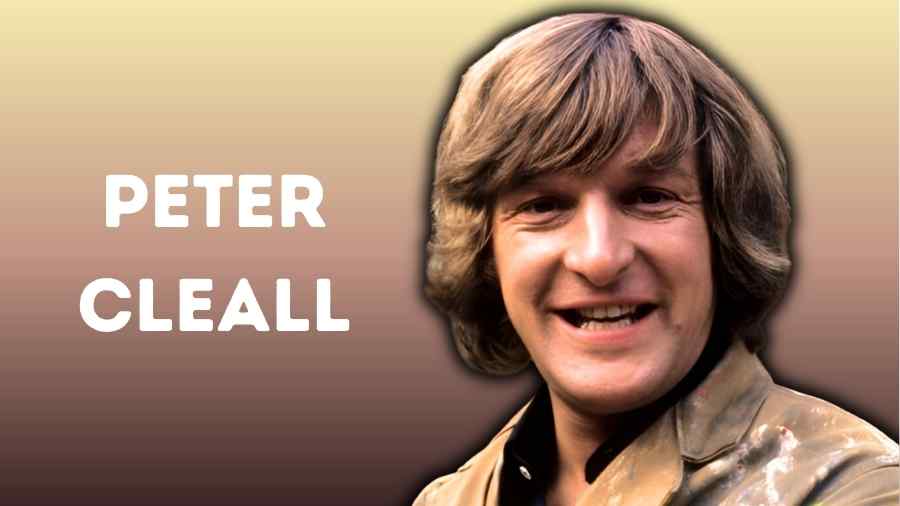
British television has long been shaped by performers whose careers were built on consistency, discipline, and genuine talent rather than constant public attention. Peter Cleall is one such actor. His work spans several decades and reflects the strength of British television during a period when sitcoms, dramas, and serials played a central role in everyday life. While some actors are remembered for brief bursts of fame, Peter Cleall represents a quieter but equally important legacy, that of the reliable character actor whose presence adds realism and depth to every production.
Early Life and Background
Peter Cleall was born in England in the mid-1940s, growing up during a time when Britain was redefining itself socially and culturally. The post-war years saw major changes in education, media, and the arts, and television was rapidly becoming the most influential form of entertainment in British households.
From an early age, Cleall showed an interest in performance and storytelling. Unlike many who stumble into acting by chance, he approached the profession with intention. Recognising the importance of proper preparation, he pursued formal acting training. This decision laid the foundation for a career built on technical skill rather than novelty.
His training years instilled discipline, patience, and respect for the craft. These qualities would later define his professional reputation and allow him to adapt to the changing demands of the television industry.
First Steps into Professional Acting
Peter Cleall entered the professional acting world during the 1960s, a highly competitive yet opportunity-rich era for British performers. Television production was expanding, creating demand for new faces capable of delivering believable performances across a range of genres.
His early roles were modest but important. Appearing in various television productions, Cleall gained experience working on professional sets and learning the rhythm of screen acting. These early performances helped him refine his naturalistic style, which favoured realism over exaggerated expression.
Casting directors began to recognise his ability to portray everyday characters convincingly. This skill would become one of his greatest strengths, setting him apart in an industry that values authenticity.
Breakthrough Role and Widespread Recognition
Peter Cleall’s career reached a major turning point when he was cast in a successful British television sitcom set in a school environment. The series explored the relationships between teachers and pupils, using humour to comment on social structures and authority.
Cleall played a student character who quickly resonated with audiences. His performance combined humour, vulnerability, and realism, making the character both entertaining and relatable. Rather than relying solely on comedy, he portrayed the emotional experiences of young people with sincerity.
The popularity of the show brought Cleall national recognition and firmly established him as a familiar face on British television. A sequel series followed, allowing him to continue developing the character over time. For many viewers, this role remains the most memorable part of his acting career.
Expanding His Television Career
Following his breakthrough success, Peter Cleall made a conscious effort to avoid being confined to a single role type. He accepted a wide variety of television roles, demonstrating flexibility and a willingness to grow as an actor.
Throughout the 1970s and 1980s, he appeared in numerous British television programmes, including police dramas, medical series, and popular soaps. These roles often required subtle, understated performances rather than dramatic flair. Cleall excelled in such parts, bringing credibility to characters that represented ordinary people.
His steady work during this period reflects a deep understanding of the profession. Rather than waiting for leading roles, he embraced character work, recognising its importance to strong storytelling. This approach ensured consistent employment and professional respect.
Film Appearances and Theatre Work
In addition to television, Peter Cleall also appeared in several British films, particularly during the 1970s. Many of these films were light-hearted comedies, reflecting the cinematic trends of the time. Film acting required a different energy and pacing, further broadening his skill set.
Cleall’s involvement in theatre was equally important. Stage acting demands sustained concentration, vocal strength, and physical presence. While his theatre work did not attract the same level of public attention as his screen roles, it played a crucial role in maintaining his versatility and discipline as an actor.
The combination of television, film, and stage work allowed Cleall to develop a well-rounded career, grounded in strong fundamentals.
A Career Defined by Longevity and Reliability
One of the most notable aspects of Peter Cleall’s professional life is its longevity. Acting is an unpredictable profession, and maintaining consistent work over decades requires adaptability and resilience.
Cleall understood the importance of evolving with the industry. He accepted a broad range of roles and adjusted to changing production styles and audience expectations. This flexibility allowed him to remain relevant while many contemporaries struggled to do so.
Within the industry, he became known as a reliable and professional performer. Directors and producers valued his punctuality, preparation, and collaborative attitude. These qualities, though rarely visible to audiences, are essential for long-term success.
Transition into Talent Representation
Later in his career, Peter Cleall made a significant transition from acting to talent representation. Drawing on decades of experience, he became an actors’ agent, offering guidance and support to performers navigating the complexities of the entertainment industry.
This move reflected a deeper understanding of acting as a profession rather than simply a performance art. As an agent, Cleall was able to advise clients on auditions, contracts, and career strategy. His background as an actor gave him empathy and insight, enabling him to advocate effectively for those he represented.
Through this role, he continued contributing to the industry, helping shape careers and supporting the next generation of talent.
Personal Life and Professional Values
Peter Cleall has maintained a relatively private personal life, choosing not to place himself at the centre of public attention. This discretion aligns with his overall professional philosophy, focusing on work quality rather than celebrity culture.
His career choices suggest strong personal values centred on stability, integrity, and respect for the craft of acting. By prioritising long-term contribution over short-term recognition, he built a career that balanced professional success with personal well-being.
Cultural Impact and Lasting Recognition
Although Peter Cleall may not always be highlighted among the most famous British actors, his cultural impact is significant. The programmes he contributed to remain part of Britain’s television heritage, frequently revisited through repeats and discussions.
His most iconic role continues to evoke nostalgia, reminding audiences of a distinct era in British broadcasting. At the same time, his broader body of work highlights the importance of character actors in shaping believable and engaging stories.
Cleall’s career serves as a reminder that television and film depend not only on stars but also on skilled professionals who bring authenticity and depth to every scene.
Conclusion
Peter Cleall’s career stands as a testament to dedication, professionalism, and respect for the acting craft. From his early training and breakthrough success to his sustained television work and later role as a talent agent, he has contributed meaningfully to British entertainment.
By choosing consistency and integrity over fleeting fame, Peter Cleall has secured a lasting place in British television history. His work continues to be appreciated by audiences and respected within the industry, underscoring the enduring value of skill, adaptability, and commitment.