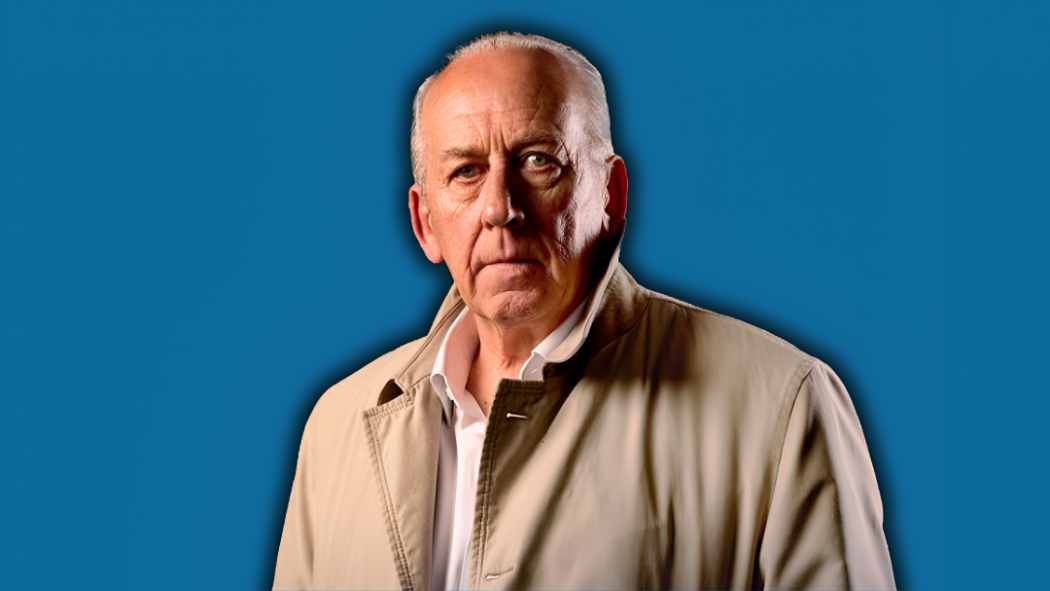
Few former police officers have reshaped their careers quite as dramatically as Peter Bleksley. From operating deep inside criminal networks to becoming a respected author, broadcaster and public commentator, his journey reflects both the peril and complexity of modern policing. His name is often associated with high-risk undercover work, but the story runs far deeper than headline-grabbing operations.
Early Life and Entry into Policing
Born in Kent in 1959, peter bleksley grew up in an era when British policing was undergoing profound change. The late 1970s brought rising organised crime, political tensions and shifts in public trust. He joined the Metropolitan Police in 1978, beginning his career in uniform on London’s streets.
Those early years were formative. Street policing exposed him to everything from petty theft to violent gang activity. It also gave him an understanding of how crime operates at ground level — knowledge that would later prove essential in undercover work. Unlike many who view policing as a stable career, he gravitated towards complexity and risk.
His aptitude for intelligence gathering and his instinctive understanding of criminal psychology caught the attention of senior officers. Eventually, he became involved with specialised operations that required discretion, adaptability and emotional resilience.
Becoming an Undercover Officer
The Formation of Scotland Yard’s Covert Unit
During the 1980s, the Metropolitan Police expanded its undercover capabilities to combat increasingly sophisticated criminal networks. peter bleksley became a founding member of what would become one of Scotland Yard’s elite undercover units.
Undercover policing is not glamorous. It demands long hours in hostile environments, sustained deception, and constant awareness of danger. Officers must convincingly inhabit alternate identities, often for months or years at a time. Mistakes can prove fatal.
Living a Double Life
In his undercover capacity, he posed as individuals embedded in serious criminal activity. These roles required deep immersion into illegal circles, from drug networks to armed gangs. The pressure of maintaining cover while gathering evidence is immense.
Unlike traditional detectives who work from files and interviews, undercover officers live among those they investigate. Trust must be earned carefully, without overplaying one’s hand. The psychological strain of that double life is something peter bleksley has later described candidly in interviews and writings.
He was involved in operations targeting organised crime groups that operated across London and beyond. At a time when technology was far less advanced, much intelligence relied on human infiltration rather than digital surveillance.
The Threat That Changed Everything
A Contract on His Life
The risks of undercover work are not theoretical. During one investigation, information emerged that criminal elements had plotted to assassinate him. The seriousness of the threat required intervention at the highest levels, reportedly involving intelligence shared with international partners.
The result was extraordinary: he entered the witness protection programme. For a serving police officer, this marked a dramatic turning point. It effectively ended his operational career and required a complete reshaping of his personal and professional life.
Life in Witness Protection
Living under protection involves anonymity, relocation and separation from former networks. For someone accustomed to active policing, the transition is psychologically challenging. It demands patience and acceptance of a new identity.
The experience profoundly shaped peter bleksley’s later views on justice, security and the human cost of crime-fighting. It also fuelled his desire to tell the stories behind the headlines.
From Detective to Author
After leaving frontline policing, peter bleksley turned to writing. His books draw heavily on lived experience rather than speculation. They provide insight into investigative processes, operational dilemmas and the emotional toll of serious crime cases.
The Gangbuster
His autobiography recounts his time in undercover operations and the personal sacrifices involved. It offers a rare insider’s view of covert policing in Britain during a turbulent era. Readers are given context, not just anecdotes — an understanding of how intelligence-led policing evolved.
Exploring Unsolved Crimes
Later works have focused on high-profile unsolved cases. Rather than sensationalising tragedy, he approaches these investigations methodically, re-examining evidence and questioning assumptions. This approach has resonated with audiences seeking substance rather than spectacle.
His writing style is direct, measured and rooted in fact. It reflects a professional who understands both investigative rigour and the need for clarity when communicating with the public.
Broadcasting and Public Commentary
Television Appearances
Many viewers recognise peter bleksley from television. He has appeared as an expert analyst on crime documentaries and discussion programmes. His role often involves explaining investigative tactics, identifying weaknesses in criminal behaviour, and interpreting law enforcement strategy.
One particularly visible role placed him among a team of experts tasked with tracking down individuals attempting to evade capture in a televised social experiment. The format brought policing techniques into mainstream conversation, sparking debate about surveillance, privacy and pursuit.
Radio and Podcasts
Beyond television, he has contributed to radio programmes and podcasts focusing on criminal investigations. Audio storytelling allows for deeper analysis of cases, exploring context and consequences rather than simply recounting events.
His commentary often emphasises victims and the pursuit of justice. Rather than glorifying offenders, he consistently redirects focus to impact and accountability.
Public Speaking and Live Events
In recent years, peter bleksley has taken to the stage with live presentations about undercover policing and murder investigations. These events blend storytelling with candid discussion about risk, ethics and operational realities.
Audiences are drawn not merely by dramatic tales but by thoughtful reflection. He speaks about the tension between necessary deception in undercover work and the moral lines officers must not cross.
Public engagement has become a central part of his post-policing career. Through live appearances, he invites questions and challenges assumptions about how investigations truly unfold.
The Ethics of Undercover Policing
Undercover work remains controversial. Critics question oversight, accountability and potential overreach. Supporters argue it is indispensable against organised crime and terrorism.
Peter bleksley has addressed these tensions directly. He acknowledges the complexity of infiltrating criminal networks while maintaining professional standards. Undercover officers must gather intelligence without becoming complicit in serious wrongdoing.
The ethical balance is delicate. Clear rules, supervision and judicial safeguards are essential. His perspective adds nuance to public debate, grounded in first-hand experience rather than abstract theory.
The Psychological Cost
Identity and Isolation
Operating under a false identity can fragment one’s sense of self. Long periods spent portraying a criminal persona blur boundaries between role and reality. Officers must guard against emotional entanglement while sustaining credibility.
After leaving undercover work, reintegration into ordinary life presents its own challenges. For peter bleksley, witness protection added another layer of complexity.
Resilience and Reflection
Open discussion of mental strain in policing was rare in earlier decades. Today, awareness has grown. His candid reflections contribute to broader conversations about wellbeing within law enforcement.
By sharing vulnerabilities as well as successes, he humanises a profession often depicted in extremes.
Influence on Modern Crime Discourse
Public fascination with true crime shows no sign of waning. However, the line between informative analysis and sensational entertainment can be thin. Peter bleksley has positioned himself firmly on the side of informed commentary.
He frequently underscores the painstaking nature of investigations: paperwork, corroboration, forensic detail and patience. Contrary to dramatic television tropes, most breakthroughs arise from persistent methodical work.
His presence in media helps counter misconceptions. It reminds audiences that justice systems rely on evidence, not intuition alone.
Criticism and Controversy
No public figure involved in criminal justice escapes criticism. Undercover policing in Britain has faced inquiries and scrutiny over past operations unrelated to him personally. Broader debates sometimes draw his name into discussions about oversight and accountability.
He has responded by advocating transparency and robust regulation. The conversation around covert work continues to evolve, shaped by legal reforms and public expectations.
Lessons from a Career in Risk
Several themes emerge from his professional journey:
- Courage is often quiet and procedural rather than theatrical.
- Intelligence work requires patience more than bravado.
- Crime’s impact extends far beyond immediate victims.
- Ethical oversight is essential in high-risk policing.
These lessons resonate beyond law enforcement. They speak to resilience, adaptability and responsibility.
Public Perception and Legacy
Today, peter bleksley stands as both commentator and witness to a transformative period in British policing. He bridges two worlds: operational secrecy and public discourse.
His legacy lies not merely in past operations but in ongoing conversation. By sharing experience, he contributes to public understanding of how complex investigations function in practice.
While some see him primarily as a television personality, his deeper contribution is educational. He translates specialised knowledge into accessible insight without oversimplifying reality.
FAQs
Who is peter bleksley?
Peter bleksley is a former Metropolitan Police detective known for undercover operations and later work as an author and crime commentator.
Why did he enter witness protection?
He entered witness protection after credible threats were made against his life during an undercover investigation.
Has he written any books?
Yes, he has authored books about his policing career and examinations of unsolved criminal cases.
Does he still work in law enforcement?
No, he no longer serves as a police officer but remains active as a commentator and speaker on crime-related matters.
What makes his perspective unique?
His insights stem from direct experience within elite undercover units, combined with years of reflective public commentary.
Conclusion
Peter bleksley’s journey from covert operative to public voice illustrates the evolving relationship between policing and society. His career underscores both the necessity and complexity of undercover work, while his later writing and broadcasting illuminate the realities behind criminal investigations.
In a landscape often dominated by sensational narratives, his contributions provide context, caution and clarity. By examining crime through the lens of lived experience, he has helped shape a more informed public dialogue — one that recognises both the dangers faced by investigators and the enduring importance of justice.