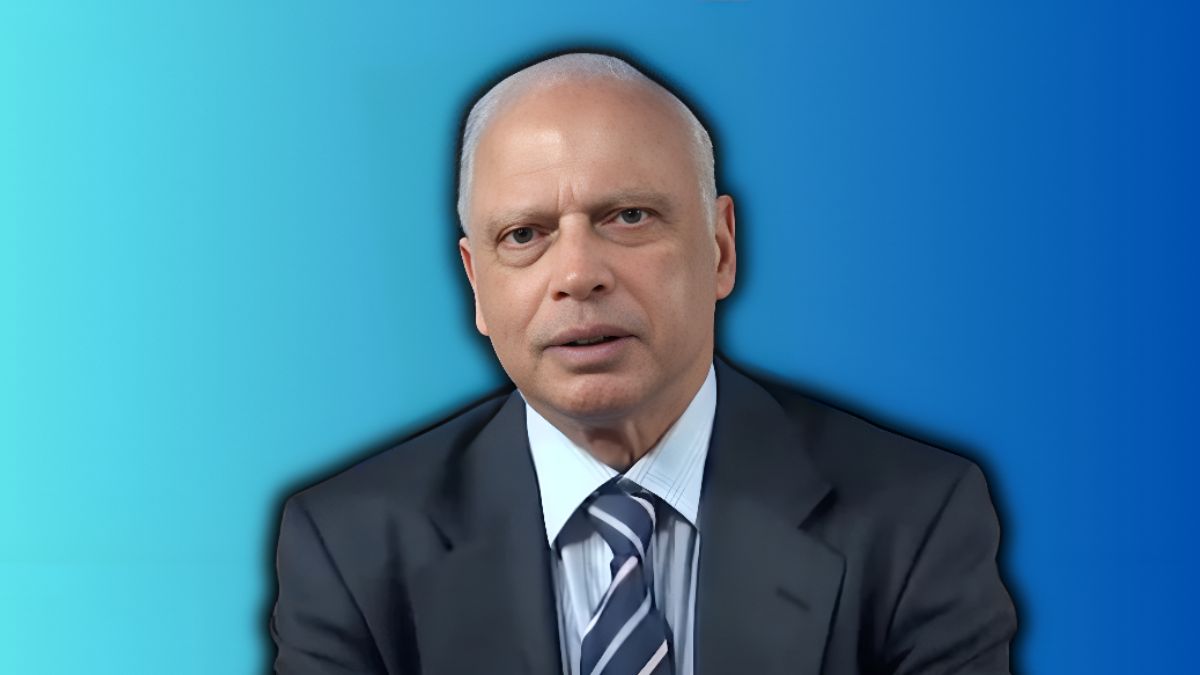
Patrick Sookhdeo is a figure who has generated sustained attention in religious, political, and academic circles over several decades. Known primarily as a British Christian author, activist, and commentator, his work has focused heavily on issues of religious freedom, the persecution of Christians, and the study of Islam and Islamist ideology. Admirers regard him as a courageous advocate for oppressed Christian communities around the world, while critics see him as a deeply controversial voice whose interpretations and public statements have often provoked strong reactions. Understanding Patrick Sookhdeo requires a careful and balanced exploration of his background, beliefs, writings, leadership roles, and the debates that have surrounded his public life.
Table of Contents
ToggleEarly Life and Background
Patrick Sookhdeo was born in the mid-twentieth century in what was then British Guiana, now known as Guyana. His early life was shaped by a complex religious and cultural environment. He was born into a family with roots in multiple faith traditions, which exposed him from an early age to religious diversity and theological debate. His family later moved to the United Kingdom, where he grew up and was educated.
During his youth and early adulthood, Sookhdeo experienced a personal religious transformation, converting to Christianity. This conversion became a defining influence on his worldview and future career. It was not merely a private spiritual decision but one that eventually guided his academic pursuits and public mission. His early experiences of cultural plurality and faith transition later informed his intense interest in comparative religion, particularly the relationship between Christianity and Islam.
Education and Academic Formation
Patrick Sookhdeo pursued higher education in the United Kingdom, focusing on religious studies and related disciplines. He undertook advanced academic work in areas concerning Islam, Christianity, and the interactions between the two faiths. His academic training equipped him with a scholarly framework that he later applied to his writing, lecturing, and organisational leadership.
His studies were not limited to purely theoretical concerns. Instead, they were often directed towards understanding religion as a lived reality that shapes societies, politics, and individual behaviour. This practical orientation would later become evident in his emphasis on religious persecution, ideological conflict, and the social consequences of belief systems.
Theological Perspective and Core Beliefs
At the heart of Patrick Sookhdeo’s work lies a strongly evangelical Christian theology. He views Christianity not only as a personal faith but also as a truth claim with social and moral implications. His writings often reflect a conviction that religious ideas have real-world consequences, particularly when they intersect with power and political authority.
A central theme in his work is the concept of religious freedom. He argues that freedom of belief, worship, and conscience is a fundamental human right, and he has repeatedly highlighted situations in which Christians face discrimination, violence, or legal restrictions because of their faith. This emphasis has driven much of his advocacy and has shaped the organisations he has led.
Focus on Christian Persecution
One of the most prominent aspects of Patrick Sookhdeo’s public profile is his focus on the persecution of Christians worldwide. He has consistently argued that Christian communities, particularly in parts of the Middle East, Africa, and Asia, face systematic discrimination and violence that is often overlooked by international media and political institutions.
Through reports, books, and public statements, he has sought to document cases of church destruction, forced displacement, legal inequality, and physical attacks on Christians. Supporters argue that his work has helped bring attention to communities that might otherwise remain invisible. They credit him with raising awareness among churches, policymakers, and humanitarian organisations.
Critics, however, have questioned his methods and interpretations, suggesting that his portrayal of events can sometimes lack nuance or sufficient context. These debates form a significant part of the broader discussion around his influence.
Engagement with Islam and Islamist Ideology
Patrick Sookhdeo is perhaps equally well known for his analysis of Islam and Islamist movements. He has written extensively about Islamic theology, history, and political expressions, particularly those associated with jihadist ideology. His work often seeks to draw distinctions between different interpretations within Islam, while also warning about what he sees as the dangers of radical or political forms of the religion.
He has argued that certain ideological strands within Islam pose challenges to pluralism, democracy, and religious freedom. These views have resonated with some audiences, including security professionals and policymakers concerned about extremism. At the same time, they have generated strong criticism from scholars, interfaith leaders, and Muslim organisations who argue that his approach can contribute to misunderstanding or stigmatisation.
Writing and Publications
Patrick Sookhdeo is a prolific author. Over the years, he has written and edited numerous books, reports, and shorter publications addressing themes such as Christian persecution, Islamic theology, global jihad, and interfaith relations. His writing style is typically direct and assertive, aimed at both academic and general audiences.
Many of his works are designed to be accessible to non-specialists, including church leaders and lay readers seeking to understand complex religious and geopolitical issues. This accessibility has helped broaden his readership but has also led some critics to argue that his analyses oversimplify intricate theological and cultural questions.
Despite these criticisms, his books have been widely circulated and translated into multiple languages, reflecting the international reach of his influence.
Organisational Leadership and Activism
Beyond writing, Patrick Sookhdeo has played a major role in establishing and leading Christian organisations focused on advocacy and humanitarian support. He has been closely associated with initiatives aimed at providing practical assistance to persecuted Christian communities, including aid for refugees, rebuilding efforts, and legal support.
Under his leadership, these organisations have sought to combine advocacy with action, raising funds and mobilising supporters in the United Kingdom and beyond. Supporters highlight the tangible impact of this work, pointing to aid delivered in conflict zones and support provided to vulnerable families.
However, organisational leadership has also been an area where controversy has arisen, particularly regarding governance, accountability, and internal management practices.
Media Presence and Public Commentary
Patrick Sookhdeo has frequently appeared in media discussions about religion, extremism, and international affairs. He has given interviews, delivered lectures, and participated in conferences in the UK and internationally. His ability to speak confidently on sensitive topics has made him a sought-after commentator in some circles.
His media presence has contributed to his prominence but has also amplified the controversies surrounding him. Statements made in interviews or public talks have sometimes been cited by critics as evidence of a confrontational or polarising approach to interfaith relations.
Legal Issues and Public Controversy
An important and unavoidable aspect of Patrick Sookhdeo’s public life involves legal and personal controversies that have attracted significant attention. He has faced criminal charges related to allegations of misconduct, resulting in legal proceedings that were widely reported in the British press.
Some cases led to convictions and sentences, while others resulted in acquittals. These events had a profound impact on his reputation and on the organisations with which he was associated. Supporters have argued that aspects of these cases were misrepresented or exaggerated, while critics have maintained that they raise serious questions about leadership and moral authority.
The existence of these controversies has shaped how Patrick Sookhdeo is perceived, ensuring that discussions about his work are rarely separated from debates about his personal conduct.
Supporters and Critics
The legacy of Patrick Sookhdeo is deeply divided. Supporters view him as a courageous and principled figure who has spoken out on behalf of persecuted Christians when others remained silent. They argue that his willingness to address uncomfortable truths has come at a personal cost but has ultimately served a greater moral purpose.
Critics, on the other hand, contend that his approach to Islam and religious conflict can be inflammatory and that his leadership style has contributed to organisational and personal crises. They question the reliability of some of his claims and argue for more balanced and dialogical approaches to interfaith engagement.
This sharp division underscores the complexity of his influence and the difficulty of assessing his impact in simple terms.
Influence on Public Debate
Regardless of one’s perspective, it is clear that Patrick Sookhdeo has played a role in shaping public debate in the UK and beyond on issues of religion, freedom, and extremism. His work has influenced church discussions, policy conversations, and media narratives, particularly in relation to Christian persecution and Islamist ideology.
He has helped bring certain issues to the forefront of public consciousness, even as he has provoked strong disagreement about how those issues should be understood and addressed. In this sense, his influence lies not only in the ideas he promotes but also in the debates he generates.
Conclusion
Patrick Sookhdeo remains one of the most complex and controversial figures in contemporary religious activism. His life and work encompass sincere advocacy for persecuted Christians, extensive writing on religion and ideology, significant organisational leadership, and serious personal and legal controversies. For some, he stands as a voice of conscience drawing attention to neglected injustices. For others, he represents the risks of polarisation and the consequences of conflating faith, politics, and personal authority.
A full understanding of Patrick Sookhdeo requires moving beyond simple labels of hero or villain. It involves recognising both the contributions he has made to public awareness and the legitimate criticisms that have been raised about his methods and conduct. His story serves as a reminder of how deeply religion, power, and personal responsibility can intersect in the public sphere, and why such intersections demand careful, critical, and honest examination.