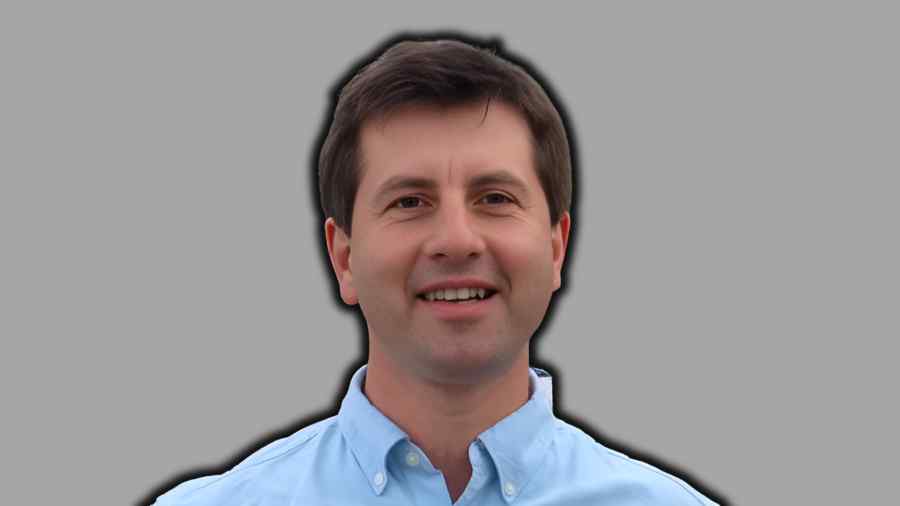
The modern world stands at a pivotal moment where energy consumption, sustainability, and environmental responsibility intertwine in ways that shape future societies. Among the individuals contributing to this transition is Pablo Dimoglou, a figure known for his involvement in the UK’s renewable energy movement and his connection to business ventures centred on solar innovation. His name is increasingly associated with practical efforts to introduce solar solutions into both residential and commercial settings. While not as publicly prominent as global renewable energy icons, his influence is notable in local and regional spheres where real change often begins.
Early Background and Family Context
Understanding public figures often requires reflecting on the environment that shaped them. Pablo Dimoglou is associated with Norwich, a region that blends historical identity with modern growth. Norwich, like many parts of the UK, has faced rising discussions about environmental responsibility. It is a region where community, local planning, and sustainability intersect, providing fertile ground for renewable energy initiatives.
He is also linked to public life through his marriage to Becky Jago, a familiar name in British television presenting. This connection positioned him, intentionally or not, near public attention. However, Pablo appears to have chosen a path grounded more in business development and practical project direction rather than seeking media attention himself. His preference for measured visibility suggests a personality focused on work outcomes over branding flare.
Career Foundations in Property and Development
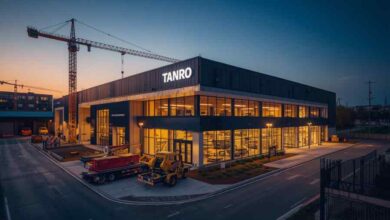
Before his increasing association with solar energy, Pablo’s earlier professional involvement includes property development and entrepreneurial direction. These sectors require negotiation, planning skills, risk evaluation, and the ability to forecast value in both tangible projects and market conditions.
Property development is often misunderstood as solely buying and constructing, but in reality it is a strategic field that demands awareness of local government planning frameworks, community expectations, environmental considerations, and economic feasibility. Individuals who transition from property into renewable energy frequently demonstrate a mindset oriented around physical projects rather than abstract business concepts.
For Pablo, this background offers insight into how he approaches sustainability: not just as a concept, but as an infrastructure problem requiring practical building, installation, maintenance, and long-term operational planning.
Transition into the Renewable Energy Sector
The shift towards renewable energy across the UK has accelerated over the past decade. Rising awareness of climate change, government incentives, and increased affordability of solar technology have opened opportunities for entrepreneurs willing to navigate both the technical and regulatory landscapes.
Pablo Dimoglou’s business interests in the solar sector show a strategic response to this changing energy environment. By focusing on solar installation and renewable project development, his professional identity aligns with a real societal need. The broader vision reflects a movement in the United Kingdom to reduce dependence on fossil fuels while empowering homeowners and businesses to produce their own clean energy.
Where large corporations often dominate broad-scale renewable infrastructure such as wind farms and national grid transitions, smaller companies and local leadership often drive residential and community-scale adoption. Pablo’s work falls within this sphere, making it particularly crucial at a grassroots level where public behaviour shifts first.
Understanding the Role of Local Solar Enterprises
Solar installation companies play a critical role in the renewable landscape. They serve as the link between global technology manufacturers and local consumers seeking practical solutions. This work requires:
- Technical knowledge of panel efficiency and system compatibility
- Understanding of government and council regulatory frameworks
- Ability to evaluate property orientation, shading, and structural suitability
- Customer trust-building and ongoing maintenance support
Individuals active in this space need to balance profitability with long-term reliability, as solar installations are typically expected to last decades. When carried out successfully, these businesses enable homeowners to participate in energy independence, shielding themselves from rising utility costs while also contributing to national carbon reduction targets.
The strategic move by Pablo to focus on such enterprise suggests a viewpoint that real transformation begins from home rooftops, small business units, farms, and community buildings where power use is immediate and visible.
Leadership Style and Business Philosophy
Pablo’s business footprint suggests an approach centred on direct action rather than promotional hype. The solar sector can often be filled with bold claims and exaggerated marketing, especially in emerging markets. However, long-term viability depends on reputation, customer satisfaction, and tangible results.
A leader’s approach shapes employee culture, client interactions, and the reliability of delivered outcomes. In renewable energy where trust is key, measured communication and grounded promises are essential. Pablo’s background indicates a preference for practical implementation and project execution rather than attention-seeking public narratives.
Such characteristics often shape companies that grow gradually but sustainably, avoiding over-expansion or reliance on exaggerated market expectations.
The Broader Renewable Landscape in the UK
To understand the significance of Pablo Dimoglou’s contributions, it is helpful to recognise the broader environment of renewable energy in the United Kingdom:
- The UK has set ambitious carbon reduction goals to reach net zero emissions.
- Government incentives encourage homeowners to adopt solar solutions.
- Rising energy prices push consumers to seek alternatives.
- Technological improvements have made solar panels more efficient and durable.
However, adoption still faces challenges. These include misinformation, upfront cost concerns, and uncertainty about long-term maintenance. Leaders who emphasise education, transparency, and tangible local results help reduce these barriers. The more accessible renewable energy becomes, the more communities will adopt it at scale.
Challenges and Criticisms
No business path is without obstacles. Renewable energy companies must navigate:
- Regulatory changes that shift with political cycles
- Economic pressures and fluctuating installation costs
- Public scepticism caused by misinformation
- Competition from companies prioritising volume over quality
For entrepreneurs like Pablo Dimoglou, success depends on resilience and adaptability. A realistic approach to sustainability acknowledges that long-term trust is built through reliability rather than rapid expansion.
Influence on Public Perception of Solar Energy
Figures like Pablo play a quiet yet meaningful role in shaping how ordinary citizens view renewable energy. When local companies provide successful installations, energy bills fall, carbon emissions reduce, and positive word spreads through real experience rather than slogans.
In this sense, his work contributes to a cultural shift: where solar energy is no longer seen as a futuristic novelty, but an everyday, practical, and financially wise choice.
Conclusion
Pablo Dimoglou represents a growing category of entrepreneurs contributing to the transformation of the United Kingdom’s energy future. His journey from property development to renewable energy highlights how sustainability does not come from a single industry, but from the merging of practical experience and environmental purpose.
The steps he takes in the solar sector encourage local empowerment, offering communities a way to participate in cleaner energy production. While not every aspect of his professional path is publicly documented, the direction of his work aligns with one of the most significant challenges of our time: building a more sustainable and resilient energy system.