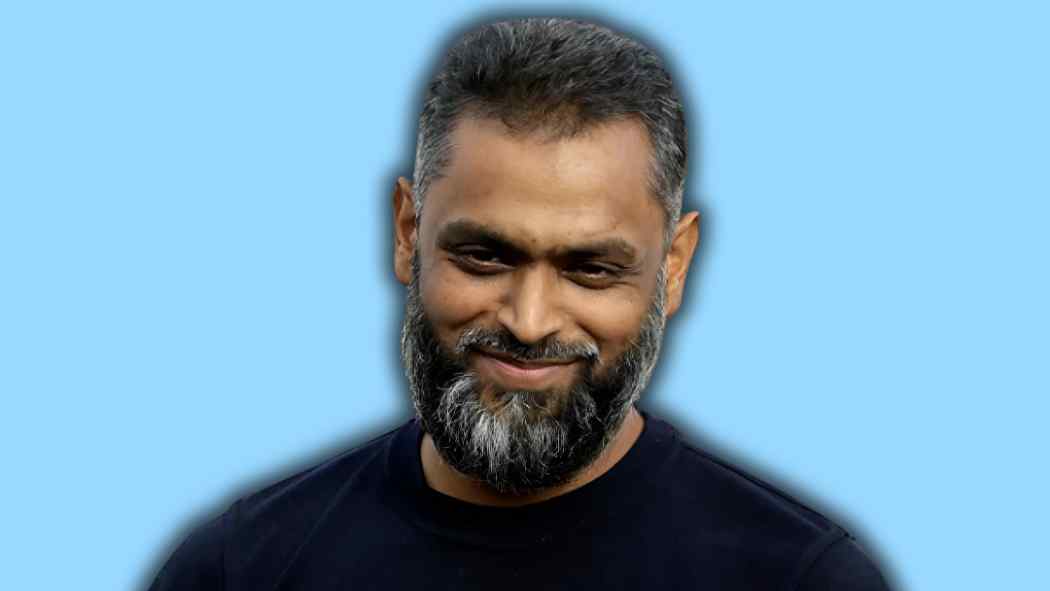
Moazzam Begg is a name that resonates deeply across discussions on human rights, unlawful detentions, and the post-9/11 global political environment. His life story is not merely a personal narrative, but a lens that exposes the consequences of international conflict, counter-terrorism policies, and the long shadow of the so-called “War on Terror.” Born in Birmingham to Pakistani parents, Begg’s journey from an ordinary British citizen to one of the world’s most recognised former Guantanamo Bay detainees is full of sorrow, perseverance, and remarkable transformation. His advocacy work after release shaped him into one of the most vocal figures campaigning for the rights of detainees worldwide.
Early Life and Identity
Moazzam Begg was born in 1968 in Birmingham, United Kingdom, to a family of Pakistani origin. Growing up in a multicultural environment allowed him to witness the blend of identity, religion, and British society firsthand. Like many British-Pakistani families, his upbringing was rooted in Islamic values, education, and respect for community. He was known to be intelligent, curious, and socially aware. Unlike the narrative often constructed by political rhetoric, nothing in his younger years pointed to extremism or violent ideology. Instead, he developed an interest in global injustices, especially those faced by Muslim communities during conflicts in Bosnia, Afghanistan, and Iraq.
He later travelled to various countries for educational and humanitarian purposes. His visits to conflict-struck regions were driven by the desire to support individuals suffering through war and displacement. He helped run a school for children and even worked in simple trade businesses. For him, life abroad symbolised learning, contribution, and opportunity. These decisions, however, would later become a critical point of scrutiny when accusations surfaced after 2001.
Arrest, Detention, and Transfer to Guantanamo
Following the 9/11 attacks, the global atmosphere changed rapidly. Western intelligence agencies widened their definitions of suspicion, and thousands of individuals of Muslim identity were targeted under anti-terrorism policies. In early 2002, Moazzam Begg was arrested in Pakistan, accused of links with militant groups. Without being shown evidence, without trial, and without access to fair legal representation, he was handed over to US forces.
His transfer began a dark chapter that would last more than three years. First, he was held at Bagram Air Base in Afghanistan, then moved to Kandahar, and finally transported to the notorious Guantanamo Bay detention facility. During this period, Begg reports being subjected to emotional and physical torture, prolonged solitary confinement, sleep deprivation, and psychological interrogation techniques. He stated that he witnessed other detainees abused, beaten, and sometimes killed.
No formal charges were ever proven against him. The lack of due process raised a global outcry, with human rights organisations calling for transparency and accountability. Guantanamo Bay, for many, became a symbol of injustice and unrestrained power. Begg’s story stood at the forefront of this symbol, humanising the harsh reality inside the prison beyond government briefings and media headlines.
Release and the Beginning of Activism
In 2005, Moazzam Begg was released without charges. His freedom did not mark the end of his struggle; rather, it marked the beginning of a new mission. Instead of stepping into silence, he chose to speak publicly about what he endured. Many would withdraw after such trauma, but Begg turned his suffering into fuel for activism. He began writing, speaking, and participating in campaigns that demanded the closure of Guantanamo Bay and justice for unlawfully detained individuals around the world.
His memoir, titled Enemy Combatant, became a widely discussed publication. It provided detailed accounts of his ordeal and exposed interrogation methods, living conditions, and the mental toll of indefinite detention. His voice was important because it came from experience, not speculation. People listened, debated, agreed or disagreed — but they could not ignore him.
Work and Advocacy for Human Rights
Moazzam Begg became associated with human rights organisations focused on detainee rights. He travelled globally to raise awareness, spoke at conferences, engaged with media, and provided testimonies. Many former detainees credit him for helping them reintegrate and gain support after release.
His activism centres around themes such as unlawful detention, torture accountability, Islamophobia, war ethics, and state surveillance. In many interviews and seminars, he highlighted how governments, under the justification of national security, crossed legal boundaries. He consistently argued that justice should never be sacrificed for security — both must coexist.
Begg’s work also includes highlighting stories of lesser-known prisoners who never received media attention. These individuals lacked legal representation, had families waiting without answers, and lived years in uncertainty. Through campaigns, talks, and publications, he ensured that forgotten names were brought into public memory.
Controversies and Legal Challenges
While admired by many, Moazzam Begg’s activism also brought criticism. The sensitive nature of global security debates meant that not everyone viewed him positively. Some media outlets questioned his visits to conflict-zone countries and his associations within activist circles. In certain periods, the UK government restricted his travel documents, citing national security concerns. However, many of these decisions were later overturned, and no charge was ever proven against him.
The controversies around Begg reflect the broader complexity of post-9/11 policy discussions. The tension between national security and human rights is ongoing worldwide. Begg’s case symbolises how easily suspicion can override justice if protections are not carefully maintained.
Public Perception and Influence
Moazzam Begg is regarded by supporters as a resilient survivor and a human rights defender. His critics view him with caution, partly due to media framing and partly due to the political atmosphere surrounding global terrorism discourse. Nonetheless, his influence is undeniable. He is seen as a key witness of Guantanamo history, someone who transformed personal trauma into public advocacy.
His speeches often move audiences emotionally, especially when he describes moments of isolation, interrogation, and longing for family. He speaks calmly, without bitterness, focusing not on revenge but on reform. His story teaches the importance of questioning authority when rights are at stake.
Legacy and Ongoing Relevance
The world continues to debate the legality of detention facilities like Guantanamo Bay. Many detainees still remain without trial. Moazzam Begg’s work ensures their stories do not vanish. He represents not only himself, but every individual who faced injustice in silence. His life stands as evidence of strength — proof that a broken man can repair himself and fight for others.
Young readers today find his story educational and inspiring. Scholars reference his experiences in academic discussions. Activists look to him as an example of peaceful resistance. Whether one agrees fully with him or not, no one can argue that he changed the global conversation about human rights.
Conclusion
Moazzam Begg is more than a former detainee; he is a symbol of unresolved questions in modern justice systems. His life reminds us how fragile liberty becomes when fear governs decisions. From Birmingham to Guantanamo and then to global advocacy platforms, his journey is one worth studying.
His resilience teaches that even when stripped of rights, dignity, and hope, a person can rise again. His activism argues that justice must remain universal, not selective. As debates over national security and human rights continue, Begg’s story remains profoundly relevant. His voice persists — firm, cautious, and necessary — reminding the world that no individual should lose their freedom without fair trial, and no government should operate without accountability.