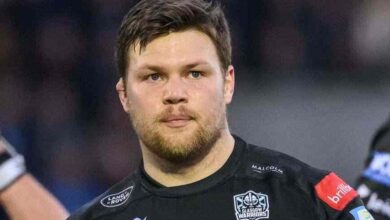
Few figures in modern English football command the respect and affection that Mick Harford enjoys, particularly among supporters of Luton Town. A powerful centre-forward during the 1980s and early 1990s, he built a reputation as a fearless competitor, a natural leader and a player who gave absolutely everything for the shirt. Yet his story extends far beyond his playing days. From lifting silverware to shaping clubs behind the scenes, his journey reflects the grit and resilience of English football at its most authentic.
Early Life and Football Foundations
Born in Sunderland in 1959, he grew up in a football-mad region where the sport was more than just entertainment; it was identity. The North East has long produced tough, determined players, and those qualities became hallmarks of his career.
He began his professional path with Lincoln City in the late 1970s. At that stage, English football was uncompromising and physical. Young forwards had to earn their place through strength, bravery and consistency. From the outset, he demonstrated an appetite for aerial battles and a willingness to challenge defenders head-on. These attributes would define the career of Mick Harford and make him a formidable presence in the Football League.
Rise Through the English Game
Lincoln City and Early Recognition
At Lincoln City, he quickly made his mark as a strong target man capable of holding the ball up and bringing others into play. His performances drew attention from higher divisions, and it was clear that he possessed the drive to climb the football pyramid.
Newcastle United and Bristol City
A move to Newcastle United provided the first real test at a higher level. The expectation was immense, and playing at a historic club required mental strength as well as physical durability. Though his time there was not long-term, it broadened his experience and toughened him further.
Subsequent spells, including Bristol City, allowed him to refine his game. By this stage, he was not merely a physical striker; he had developed intelligent movement, positional awareness and a knack for timely goals. Clubs valued his work ethic and his ability to unsettle defenders.
Luton Town: Defining Years
Establishing Himself at Kenilworth Road
If there is one club synonymous with his name, it is Luton Town. Arriving during a competitive era in the top flight, he became central to the team’s attacking identity. The terraces at Kenilworth Road appreciated honest endeavour, and they saw it in abundance.
Supporters remember Mick Harford not simply for goals but for his presence. He led from the front, chased lost causes and inspired teammates with relentless effort. His style epitomised the rugged charm of 1980s English football.
The 1988 League Cup Triumph
The crowning moment of his Luton career came with the club’s League Cup victory in 1988. That triumph remains one of the most celebrated achievements in the club’s history. The squad blended flair and grit, and he was integral to the team’s competitive edge.
For many supporters, that era defined the spirit of Luton Town. The connection between player and fans grew stronger with every performance, and his commitment ensured his status as a club legend.
International Recognition
In 1988, he earned two caps for England. Representing the national side is the pinnacle for most footballers, and his call-up was recognition of consistent top-level performances. Although his international career was brief, it cemented his standing among the country’s respected forwards of the period.
English football during that time featured fierce competition for places. Securing selection required both form and resilience. His inclusion reflected not only scoring ability but the all-round impact he delivered in domestic competition.
Playing Style and Reputation
Physical Presence and Leadership
He was the archetypal English centre-forward: strong in the air, fearless in challenges and tireless in work rate. Defenders knew they were in for a difficult afternoon when facing him. He thrived on physical contests and often emerged dominant.
Beyond physical attributes, he possessed leadership qualities. Teammates looked to him during tight matches. His willingness to battle for every ball set the tone for those around him.
Mental Toughness
Football in the 1980s demanded mental strength. Pitches were heavier, refereeing less protective and defensive tactics uncompromising. Through it all, he maintained consistency. That resilience became a defining characteristic of Mick Harford and underpinned his longevity in the professional game.
Later Playing Years
After his initial spell at Luton, he continued his career with clubs including Derby County, Chelsea, Sunderland, Coventry City and Wimbledon. Each move added experience and perspective.
At Derby, he contributed important goals. At Chelsea, he operated during a transitional phase for the club. His time at Wimbledon reflected the hard-nosed ethos of that famous side. Throughout these moves, he remained dependable, professional and respected.
Returning to Luton Town later in his career brought a sense of symmetry. It reinforced his bond with the club and ensured that supporters would always view him as one of their own.
Transition Into Management and Coaching
First Steps in Management
Retirement from playing did not signal an end to his influence. Instead, he channelled his experience into coaching and management. He served as manager of Rotherham United and had caretaker spells at clubs including Queens Park Rangers and Luton Town.
Management demands a different skill set. Tactical awareness, communication and long-term planning replace the physical demands of playing. He embraced these challenges, drawing upon decades of experience inside dressing rooms.
Backroom Leadership at Luton Town
Perhaps most significant has been his work behind the scenes at Luton Town. Serving in roles such as Director of Football and Director of Recruitment, he helped guide the club through complex periods, including financial difficulty and restructuring.
His influence extended beyond tactics and transfers. He represented continuity and tradition. Younger players understood that standards were non-negotiable. The identity of the club, built on hard work and unity, was something he actively preserved.
Personal Resilience and Health Advocacy
In later years, he faced a deeply personal challenge with a prostate cancer diagnosis. Rather than retreat from public life, he chose to raise awareness about men’s health issues. His openness resonated with supporters and fellow professionals.
Footballers often appear invincible on the pitch. By speaking candidly about health, he demonstrated vulnerability and courage in equal measure. That honesty strengthened his reputation beyond football.
Legacy in English Football
The legacy of Mick Harford cannot be measured solely in goals or appearances. It lies in character. He embodied a generation of footballers who played with intensity and pride. His career spanned eras of change, from the rough-and-ready Football League to the dawn of the Premier League age.
For Luton Town, he remains a symbol of resilience. The club’s recent resurgence in English football has drawn upon foundations laid by figures like him. Identity matters in sport, and he helped define it.
Across the broader English game, he represents the enduring value of commitment and leadership. Young players can learn from his approach: effort is non-negotiable, teamwork essential and loyalty remembered long after the final whistle.
Influence on Modern Luton Town
As Luton Town climbed back up the divisions in recent years, the club’s culture reflected principles he championed. Discipline, togetherness and belief are not accidental qualities. They stem from leadership both on and off the pitch.
Those who work within the club often describe him as a guardian of its ethos. He understands the supporters, respects tradition and recognises that football clubs are community institutions.
In that sense, Mick Harford is more than a former striker. He is part of the club’s living history.
FAQs
How many England caps did he earn?
He represented England twice in 1988, a recognition of his strong domestic form at the time.
Which club is he most associated with?
He is most closely linked with Luton Town, where he enjoyed multiple spells as both player and club official.
What was his main playing position?
He played primarily as a centre-forward, known for physical strength and aerial ability.
Did he win any major trophies?
Yes, he was part of the Luton Town side that won the League Cup in 1988.
What role has he held after retiring?
He has worked in management, coaching and senior backroom roles, particularly at Luton Town.
Conclusion
From Sunderland beginnings to League Cup glory and influential boardroom roles, the career of Mick Harford reflects the spirit of English football at its most determined. He combined physical presence with mental resilience, inspiring teammates and supporters alike. His contribution to Luton Town remains profound, not merely in goals scored but in standards set.
In an era where football often feels distant from its roots, his story reminds us that authenticity still matters. Commitment, loyalty and courage endure. For many supporters, he will always represent the beating heart of Kenilworth Road and the enduring pride of a club that values substance over spectacle.