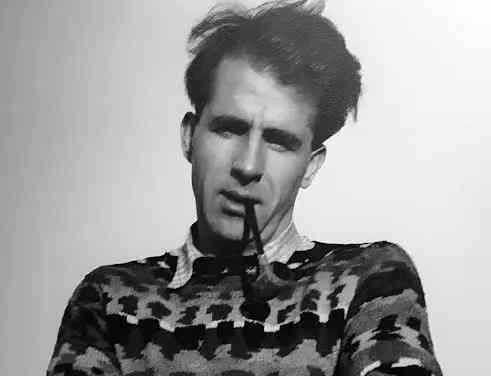
Mervyn Laurence Peake stands among the most imaginative literary figures of the twentieth century. Known for his extraordinary storytelling, haunting imagery, and unforgettable characters, he created a body of work that continues to captivate readers across generations. While many writers become famous during their lifetime, Peake’s true influence grew steadily after his death, as critics and readers recognised the unique brilliance of his work.
Born in the early twentieth century, he was not only a novelist but also a gifted illustrator, painter, and poet. His artistic talents blended seamlessly with his literary creativity, producing works that feel deeply visual and atmospheric. The strange and mysterious world he created in the Gormenghast novels remains one of the most distinctive settings in modern literature.
Early Life and Family Background
Mervyn Laurence Peake was born on 9 July 1911 in Kuling, a hill station in Jiangxi Province, China. His parents were British missionaries who had travelled to China as part of their religious and humanitarian work. His father worked as a medical missionary, while his mother was a nurse devoted to supporting community healthcare.
During his early childhood, Peake lived in the Chinese city of Tianjin. The environment was culturally rich and very different from the Britain he would later come to know. This unusual beginning exposed him to a mixture of Eastern architecture, landscapes, and traditions. Some literary scholars believe that these early experiences subtly influenced the imaginative settings found in his later writing.
When he was around twelve years old, the family returned permanently to England. Adjusting to a completely different culture and society shaped his outlook and creativity. Even as a young student, he demonstrated exceptional artistic talent, showing a remarkable ability to draw detailed figures and imaginative scenes.
Education and Artistic Development
After settling in England, Peake attended Eltham College in London. During his school years he continued developing his interest in art, often filling sketchbooks with drawings of people, landscapes, and fantastical creatures.
His talent was soon recognised, and he later studied at the Croydon School of Art before gaining admission to the prestigious Royal Academy Schools in London. At the academy he refined his technique and became part of an artistic community that valued experimentation and creative freedom.
During the 1930s he began exhibiting paintings in galleries. His work often featured unusual compositions and expressive figures, reflecting a style that combined realism with imagination. While painting remained important to him, he gradually began exploring writing as another form of creative expression.
Early Creative Career
Before gaining recognition as a novelist, Peake established himself as a versatile creative professional. He worked as a portrait painter, illustrator, and theatre designer. His artistic skills allowed him to move easily between different forms of visual storytelling.
He also spent time on the Channel Island of Sark, which had become a gathering place for artists and writers. The peaceful surroundings and creative atmosphere provided inspiration for many of his early ideas.
During this period he married Maeve Gilmore, an artist and writer who shared his passion for creativity. Their partnership proved to be an important influence on his life. Gilmore later played a significant role in preserving and promoting his work after his death.
One of his earliest published works was a children’s book titled Captain Slaughterboard Drops Anchor, which he both wrote and illustrated. The story displayed the unusual humour and slightly dark imagination that would later characterise much of his fiction.
War Years and Personal Transformation
The outbreak of the Second World War dramatically altered the course of Peake’s life. Like many artists of his generation, he became involved in the war effort. Initially he joined the British Army, serving in roles connected with engineering and artillery.
Although military life was far removed from the creative world he loved, the experiences had a deep emotional impact. Later he worked as a war artist and travelled to areas affected by the conflict. Witnessing the destruction and suffering of war left a lasting impression on his mind and imagination.
During this difficult period he began writing what would become his most famous literary achievement. The ideas that developed during these years eventually evolved into the remarkable fictional universe that would define his legacy.
The Creation of the Gormenghast Series
The greatest achievement of Mervyn Laurence Peake is undoubtedly the Gormenghast series of novels. These books introduced readers to a strange and complex world centred on a vast ancient castle ruled by rigid traditions and ceremonial rituals.
The first novel in the series, Titus Groan, was published in 1946. It introduced the castle of Gormenghast, a monumental structure filled with labyrinthine corridors, towers, and forgotten rooms. Within this setting lived a collection of eccentric characters bound by centuries-old customs.
The second book, Gormenghast, appeared in 1950 and expanded the story dramatically. It followed the young heir Titus as he struggled to understand the strange society into which he had been born. The novel also introduced the sinister character Steerpike, one of the most memorable villains in British literature.
The third novel, Titus Alone, was published in 1959 and took the story in an unexpected direction by sending the protagonist beyond the castle into a more modern world.
Unlike many fantasy stories, the Gormenghast books contain very little magic. Their power lies instead in atmosphere, psychological depth, and vividly drawn characters. Through this unique approach, Mervyn Laurence Peake created a literary world unlike any other.
Themes and Literary Style
One of the most remarkable qualities of Peake’s writing is its visual richness. His background as an illustrator shaped the way he described people and places. Scenes are often presented with painterly detail, making readers feel as if they are exploring a carefully crafted artwork.
His stories also explore themes related to tradition, authority, and personal identity. The rigid rituals governing life inside Gormenghast castle symbolise institutions that resist change. Through the character of Titus, the narrative questions whether individuals should obey tradition or seek their own path.
Another striking feature of his style is the creation of unforgettable characters. Figures such as Steerpike, Fuchsia, and Doctor Prunesquallor are exaggerated, eccentric, and deeply human at the same time. Their personalities drive much of the drama within the story.
Critics often describe his work as gothic in tone, filled with shadows, crumbling buildings, and strange humour. Yet beneath this dark atmosphere lies a compassionate understanding of human emotions.
Poetry and Other Writings
Although the Gormenghast novels brought him lasting fame, Peake also wrote poetry throughout his life. His poems often combine playful language with surreal imagery, revealing another side of his imagination.
He published several poetry collections, many of which were accompanied by his own illustrations. These works explore themes ranging from childhood fantasy to philosophical reflections on life and art.
In addition to poetry, he wrote the novel Mr Pye, which tells the story of a man whose attempt to live a perfectly virtuous life leads to unexpected consequences. The book blends humour, satire, and moral reflection.
These diverse works demonstrate the wide range of creative talents possessed by Mervyn Laurence Peake.
Illustration and Artistic Legacy
Alongside his literary career, Peake remained an accomplished illustrator. He produced drawings for numerous classic books, including works by Charles Dickens and Robert Louis Stevenson.
His illustrations are often dramatic and expressive, capturing the mood of the stories they accompany. The combination of detailed line work and imaginative composition makes them instantly recognisable.
Because he illustrated many of his own writings, readers are able to see the worlds he imagined exactly as he envisioned them. This fusion of visual and literary art adds a unique dimension to his work.
Today his original drawings and paintings are preserved in collections and exhibitions, ensuring that his artistic legacy continues to inspire new generations.
Later Life and Health Struggles
In the late 1950s Peake began experiencing serious health problems. His condition gradually affected both his physical abilities and his creative work. Medical historians now believe that he suffered from a neurological illness that was not fully understood at the time.
As the disease progressed, it became increasingly difficult for him to write and draw. Plans for continuing the Gormenghast story had to be abandoned, leaving the series unfinished.
Despite these difficulties, his reputation among writers and critics continued to grow. Many recognised the originality and depth of his work even while he struggled with illness.
Mervyn Laurence Peake passed away on 17 November 1968 at the age of fifty-seven. Although his life ended relatively early, the influence of his work continued to expand.
Influence on Literature and Culture
In the decades following his death, Peake’s reputation increased dramatically. Scholars and readers began to recognise the uniqueness of his storytelling and the lasting impact of the Gormenghast novels.
Many modern fantasy and speculative fiction writers cite him as a major influence. His approach demonstrated that fantasy could focus on character psychology and social structure rather than relying solely on magical battles or heroic quests.
The Gormenghast story has also inspired adaptations in television, theatre, and radio. These adaptations have introduced new audiences to the strange and captivating world he created.
Today his work is studied in universities and celebrated by readers who appreciate imaginative literature that defies conventional boundaries.
FAQs
Who was Mervyn Laurence Peake?
Mervyn Laurence Peake was a British writer, poet, illustrator, and painter best known for creating the Gormenghast series of fantasy novels.
What is the Gormenghast series about?
The Gormenghast books tell the story of a vast ancient castle ruled by strict traditions and the life of its heir Titus as he struggles with the expectations placed upon him.
Was Mervyn Laurence Peake only a novelist?
No, he was also an accomplished artist and poet. He illustrated many books and produced numerous drawings and paintings during his career.
Why is Mervyn Laurence Peake important in fantasy literature?
He created a unique style of fantasy that emphasised atmosphere, character development, and psychological themes rather than traditional magical adventures.
Did he finish the Gormenghast series?
No, illness prevented him from completing the full story he originally planned. Only three novels were published during his lifetime.
Conclusion
The creative achievements of Mervyn Laurence Peake remain remarkable even decades after his passing. Through his novels, poems, and illustrations, he created a body of work that feels timeless and deeply imaginative.
His vision transformed fantasy literature by demonstrating that the genre could explore complex emotions, social traditions, and human individuality. The haunting world of Gormenghast continues to intrigue readers, inviting them to wander through its shadowed corridors and unforgettable characters.