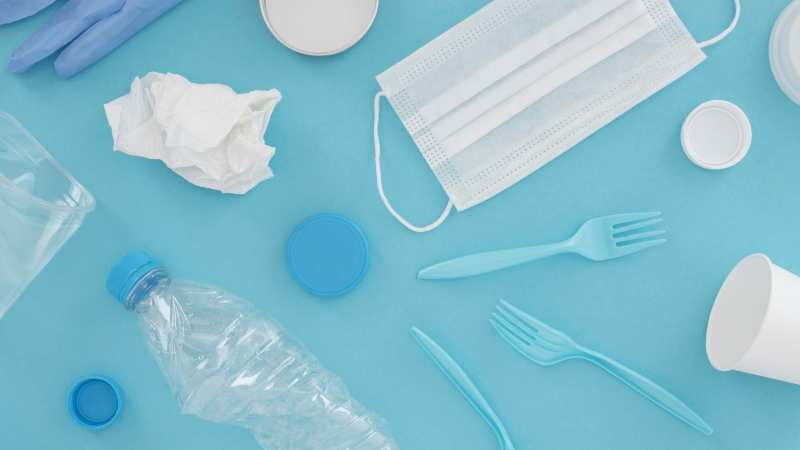
When it comes to plastics, the massive impact that this ubiquitous material has on the health of the planet and the many ways in which it affects people’s lives and wellbeing is all everyone seems to talk about. We constantly hear about how plastic fuels oil demand and contributes to global pollution (it accounts for approximately 3.4% of total greenhouse gas emissions), or how it has all but invaded the world’s waterways, disrupting natural ecosystems and making them more vulnerable to the effects of climate change. We’ve also been made aware that plastic particles can enter the human body and potentially cause a variety of serious health issues.
So, we’ve naturally come to harbour many negative feelings toward plastic and see it as this harmful element that we need to eradicate as soon as possible. But a fun fact about plastic is that it was actually invented to address sustainability problems, not to exacerbate them. Unfortunately, hardly anyone bothers to mention that plastic also has many valuable qualities and can be an extremely helpful material that has already changed things for the better in many areas. Without plastic, many of the innovations that we enjoy today and have shaped modern life wouldn’t exist, and we would be deprived of the benefits they offer.
This is in no way meant to dismiss or distract from the many issues related to plastic use and overproduction, which are very real and concerning. There’s no denying that the current approach to plastic is unsustainable and has to change before it causes more damage than it’s already has.
However, instead of seeing things in black and white, we should try to maintain a balanced perspective and gain a comprehensive understanding of the matter, which is rather nuanced. And that implies acknowledging all the ways in which plastic can help and has made a positive difference.
Healthcare
Plastic has been a driver of development and innovation in the healthcare field, where it has become an indispensable material. Its durability, versatility, cost-effectiveness, and sanitary properties make it a perfect option for a wide variety of applications. For example, plastic items like single-use syringes, catheters, and PPE are crucial for maintaining a sterile environment and preventing cross-contamination in medical settings.
Plastic components are also widely used in complex medical equipment and surgical tools, helping health professionals perform advanced procedures and provide patients with the treatments and care they require. This means that plastics significantly improve health outcomes for a large number of individuals, being quite literally a life-saving material.
Tech and electronics
Can you imagine what life would look like without smartphones, computers, and all the essential tech devices that most of us use on a daily basis? None of these gadgets that we tend to take for granted would exist without plastic. Plastic is heavily used in modern electronics for insulation, casing, and different types of components because it’s lightweight, durable, and non-conductive.
While theoretically it would be possible to replace some plastic parts with other materials like ceramics, metal, or glass, these come with significant drawbacks such as increased weight, higher costs, or lack of flexibility, making them impractical for mass production. So, we have plastic to thank for the convenience that consumer electronics bring to our lives.
Transportation
In the automotive and aerospace industries, the use of lightweight plastic components has been crucial for improving fuel efficiency and reducing emissions without compromising safety or performance. By replacing heavier materials, plastics help lower overall vehicle weight, which directly translates into reduced fuel consumption and a smaller carbon footprint.
Manufacturing large plastic products for the transportation sector often involves specialised techniques such as structural foam moulding and sequential injection moulding, which allow manufacturers to create strong yet lightweight components. You can read more about these processes at https://www.hsv-tmp.com/
Food and drinks
Plastic packaging plays a vital role in the food and beverage industry by significantly extending shelf life, which helps reduce food waste and supports a safe, reliable supply chain. Its barrier properties protect products from moisture, air, and contaminants, preserving freshness and quality from production to consumption. Lightweight and versatile, plastic packaging also reduces transportation costs and emissions while offering convenience and safety for consumers.
Construction
In construction, plastics are widely used in applications such as durable piping, insulation materials, and window frames, all of which contribute to energy efficiency and building longevity. Plastic-based insulation improves thermal performance, helping reduce heating and cooling demands, while plastic pipes resist corrosion and require less maintenance over time. These properties make plastics a practical and long-lasting choice for modern, sustainable construction projects. That’s why construction firms often partner with an injection moulding company to produce essential, high-volume plastic components.
Wrapping up
Plastic use is a very polarising and complex topic, so it would be unfair to equate it to pollution, climate change, and all the other sustainability issues related to it, when these harmful effects stem from its misuse, not the material in itself. Used and managed responsibly, plastic can be a valuable resource and change our world for the better. So, instead of advocating for a plastic-free world, it would make more sense to rethink our relationship with plastic and work towards more responsible, sustainable, and circular ways of producing, using, and disposing of it.