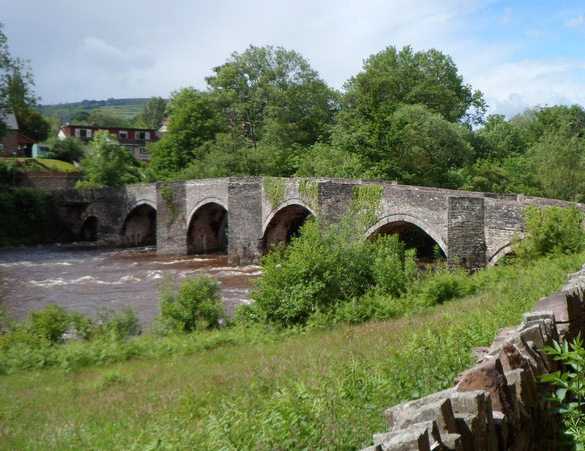
Llangynidr Bridge is one of Wales’s most remarkable historic landmarks, standing quietly yet confidently over the River Usk in the village of Llangynidr, Powys. More than a simple crossing, the bridge represents centuries of Welsh engineering skill, rural life, and architectural tradition. Its enduring presence reflects a time when bridges were built not only to serve a purpose but also to last for generations.
The Historical Origins of Llangynidr Bridge
Early River Crossings in Llangynidr
Before the stone bridge existed, the River Usk was crossed using basic wooden structures or shallow fords. These early crossings were unreliable and frequently damaged by flooding, especially during winter months when the river swelled. Despite these challenges, the crossing point remained essential for local movement, farming, and trade.
As travel and commerce increased, the need for a stronger and more permanent bridge became clear. The construction of a stone bridge marked a turning point in the development of the area, offering stability and safety that earlier crossings could not provide.
Construction in the Early Eighteenth Century
The present Llangynidr Bridge was built around the early 1700s, reflecting advances in stone masonry and civil engineering. Its design showed careful consideration of the river’s behaviour, ensuring that water could pass freely beneath the arches without threatening the structure.
Once completed, the bridge became a vital part of the regional road network, supporting carts, livestock, and travellers moving between rural communities. Its durability quickly proved its worth, surviving floods that had destroyed earlier crossings.
Architectural Features and Engineering Excellence
Stone Arches and Structural Balance
Llangynidr Bridge is defined by its series of elegant stone arches, each carefully proportioned to distribute weight evenly. This design allows the bridge to remain stable while accommodating the river’s flow, even during periods of heavy rainfall.
The arches are not merely functional. Their symmetry and rhythm give the bridge a graceful appearance, demonstrating how practical engineering and visual harmony were combined in traditional Welsh construction.
Cutwaters and Pedestrian Refuges
A distinctive feature of the bridge is its pointed cutwaters, which face upstream to break the force of flowing water. These elements protect the piers from erosion while reducing pressure during floods.
Above the waterline, the cutwaters rise to form small pedestrian refuges. These spaces allowed people on foot to step aside safely when carts or animals passed, highlighting the thoughtful design that considered all users of the bridge.
Narrow Roadway and Elevated Design
The bridge’s narrow roadway reflects the scale of traffic at the time of its construction. While modest in width, it was carefully raised above typical flood levels, reducing the risk of water damage.
Today, this narrow profile adds to the bridge’s historic charm, reminding visitors that it was built for a slower, more measured pace of life.
Llangynidr Bridge Within Its Natural Landscape
The River Usk Environment
The River Usk is renowned for its clear waters, rich wildlife, and scenic beauty. Llangynidr Bridge spans a particularly tranquil stretch of the river, where reflections of stone arches shimmer on calm days.
This setting enhances the bridge’s visual impact, making it a favourite subject for photographers and artists. The surrounding countryside remains largely unchanged, reinforcing the sense of stepping back in time.
Connection to the Village of Llangynidr
The bridge has long shaped daily life in Llangynidr, influencing settlement patterns and local travel routes. It links homes, farmland, and walking paths, serving as both a practical crossing and a social landmark.
For residents, the bridge is part of everyday experience, woven into local identity and memory.
Cultural and Heritage Importance
Recognition and Preservation
Llangynidr Bridge is widely recognised for its historical and architectural value. Its protected status ensures that conservation work respects original materials and techniques, preserving authenticity while maintaining safety.
This recognition reflects the bridge’s importance not only as a local landmark but also as a national example of early road bridge construction.
A Representative of Welsh Engineering Tradition
The bridge stands as a testament to traditional Welsh engineering, where durability, simplicity, and respect for the natural environment guided construction. Unlike many modern structures, it was built with longevity as a primary goal, a principle proven by its survival over centuries.
Modern Use and Conservation
Traffic and Safety Today
Despite its age, Llangynidr Bridge remains in regular use. Traffic management measures help vehicles cross safely while protecting the historic structure from unnecessary strain.
This careful balance allows the bridge to remain functional without compromising its character.
Ongoing Maintenance
Regular inspections and maintenance are essential to protect the bridge from weathering, water damage, and natural growth. Conservation efforts focus on stone stability, drainage, and foundation strength, ensuring the bridge remains secure for future generations.
Visiting Llangynidr Bridge
A Place for Walkers and History Lovers
Visitors are drawn to Llangynidr Bridge for its peaceful atmosphere and historical depth. Walkers exploring the Usk Valley often pause here to admire the craftsmanship and scenery.
Each season offers a different experience, from misty mornings to bright summer evenings, making every visit unique.
Experiencing Living History
Crossing the bridge is a tangible connection to the past. The worn stone surface speaks of centuries of use, from horse-drawn carts to modern vehicles, all sharing the same path across the river.
Conclusion
Llangynidr Bridge stands as a powerful reminder of Wales’s architectural heritage and the enduring value of thoughtful craftsmanship. Rooted in history yet still serving the present, it connects generations through stone, water, and shared experience. Its continued preservation ensures that this remarkable crossing will remain a symbol of Welsh resilience, skill, and timeless design for many years to come.
FAQs
What makes Llangynidr Bridge special?
Its age, stone-arch design, and scenic position over the River Usk make it one of Wales’s most admired historic bridges.
When was Llangynidr Bridge built?
The current bridge dates back to the early eighteenth century, replacing earlier wooden and stone crossings.
Is Llangynidr Bridge still in use today?
Yes, it continues to carry traffic, with safety measures in place to protect both users and the structure.
Can pedestrians cross the bridge safely?
Pedestrians can use the bridge, with built-in refuges providing safe spaces to step aside.
Why is the bridge historically important?
It represents early Welsh road engineering and has played a key role in regional transport and community life for centuries.