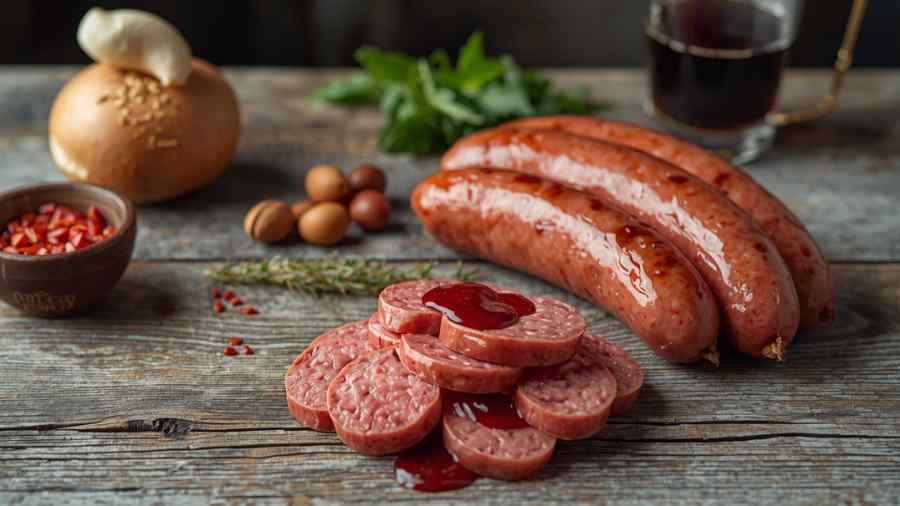
Lashford sausages hold a distinctive place in Britain’s food heritage. Known for their traditional recipes, careful preparation, and unmistakable flavour, they represent a style of sausage-making that prioritises craftsmanship over shortcuts. For generations, these sausages have been associated with hearty breakfasts, comforting pub meals, and the enduring appeal of classic British food.
The Origins of Lashford Sausages in British Food History
The story of Lashford sausages begins in the late nineteenth century, a period when local butchers were central to British communities. Families relied on trusted names for quality meat, and recipes were often passed down rather than written down. Lashford sausages emerged from this environment, rooted in farming traditions and local butchery skills.
What made them notable even in their early years was consistency. While many sausages varied from batch to batch, Lashford sausages became known for delivering the same flavour and texture time after time. This reliability helped establish trust with customers and allowed the brand to grow beyond a single butcher’s shop into a wider supplier.
The Midlands, where these sausages became especially well known, has long been associated with robust, filling foods designed to sustain working families. Lashford sausages fit naturally into this tradition, offering a satisfying balance of meat, seasoning, and texture that felt both familiar and special.
What Defines Lashford Sausages?
A Focus on Quality Pork
At the heart of Lashford sausages is pork that forms the foundation of the flavour. Traditional British sausages rely heavily on the quality of the meat, and Lashford sausages follow this principle closely. The pork is selected for its balance of lean meat and fat, which is essential for achieving a juicy, well-textured sausage.
Unlike heavily processed alternatives, these sausages are designed to taste like meat first. The seasoning supports the pork rather than masking it, allowing the natural flavour to remain prominent whether the sausages are fried, grilled, or baked.
Balanced Seasoning and Texture
One of the defining characteristics of Lashford sausages is their restrained approach to seasoning. Herbs and spices are used carefully, creating depth without overwhelming the palate. This balance makes them versatile, suitable for breakfast plates, casseroles, or simple suppers.
The texture is equally important. Lashford sausages are known for being neither overly coarse nor overly smooth. This middle ground ensures they hold their shape during cooking while still offering a pleasant bite that feels traditional rather than industrial.
Traditional Recipes Passed Through Generations
A key reason Lashford sausages have endured is their reliance on recipes refined over decades. Rather than chasing trends, these recipes focus on what has always worked. The result is a sausage that tastes recognisably British, rooted in familiar flavours yet distinctive enough to stand out.
Some recipes reflect classic styles such as breakfast sausages, while others introduce gentle variations through additions like herbs or subtle seasoning changes. This approach respects tradition while allowing for enough variety to appeal to different tastes.
Popular Varieties of Lashford Sausages
Breakfast Sausages
Breakfast remains one of the most common ways people encounter Lashford sausages. Their breakfast varieties are designed to complement eggs, bacon, and toast without dominating the plate. Mild seasoning and a clean pork flavour make them ideal for starting the day.
Classic Pork Sausages
The classic pork versions are versatile staples. Whether served with mashed potatoes and gravy or included in a slow-cooked casserole, they retain their flavour and texture even after longer cooking times.
Speciality and Regional Styles
Over time, Lashford sausages have also embraced speciality styles inspired by regional British flavours. These may include herb-infused options or combinations designed to suit pub menus and festive occasions. While still traditional, these variations show how the brand adapts without losing its identity.
How Lashford Sausages Are Made
Respecting Traditional Methods
The production of Lashford sausages reflects a respect for traditional methods. While modern equipment is used where necessary for hygiene and consistency, the underlying process remains close to classic butchery practices.
Meat is prepared carefully, mixed with seasoning in controlled proportions, and filled into natural casings. This approach ensures each sausage cooks evenly and delivers the expected texture and snap when bitten into.
Consistency Without Compromise
Consistency is one of the hallmarks of Lashford sausages. Each batch aims to replicate the same flavour profile customers expect. Achieving this without resorting to artificial enhancers requires attention to detail and quality control throughout the process.
Lashford Sausages in British Culinary Culture
Sausages occupy a unique place in British cuisine, and Lashford sausages are often associated with some of the country’s most loved dishes. From full English breakfasts to pub classics, they appear in meals that evoke comfort and familiarity.
In pubs and cafés, they are frequently chosen because they perform well in different cooking styles and appeal to a broad range of customers. Their balanced flavour makes them accessible without feeling bland, which is essential in settings where consistency matters.
Cooking With Lashford Sausages at Home
Best Cooking Methods
Lashford sausages respond well to several cooking methods. Pan-frying is popular for breakfast, allowing the sausages to develop a golden exterior while remaining juicy inside. Grilling brings out a slightly smokier note, while oven baking offers convenience and even cooking.
For casseroles and stews, these sausages hold their shape and absorb surrounding flavours without losing their own character. This makes them particularly suitable for slow-cooked dishes.
Pairing Ideas
At breakfast, Lashford sausages pair naturally with eggs, mushrooms, and tomatoes. For lunch or dinner, they work well with mashed potatoes, seasonal vegetables, and rich gravies. They can also be sliced into pasta dishes or used as a base for sausage rolls, where their flavour remains prominent even when combined with pastry.
Why Lashford Sausages Remain Relevant Today
In a crowded market, Lashford sausages continue to attract attention because they align with a growing appreciation for traditional foods. Many consumers now seek products that feel authentic and rooted in real craftsmanship.
These sausages also appeal to those who value simplicity. Without relying on excessive additives or gimmicks, they deliver flavour through quality ingredients and time-tested recipes. This honesty resonates with people who want to know what they are eating and where it comes from.
Reputation and Regional Recognition
Over the years, Lashford sausages have built a reputation particularly strong in certain parts of England. This regional recognition is significant, as it reflects genuine loyalty rather than fleeting popularity.
Such a reputation is often maintained through word of mouth, repeat orders, and consistent performance in kitchens. For many, Lashford sausages are not just another product but a familiar part of family meals and local food culture.
Lashford Sausages and the Future of Traditional British Food
As British food culture continues to evolve, traditional producers face the challenge of staying relevant without losing their identity. Lashford sausages demonstrate how this balance can be achieved. By staying true to core values while adapting carefully to modern expectations, they remain a respected name.
Interest in British food heritage shows no sign of fading. As more people rediscover the appeal of classic flavours, products like Lashford sausages are likely to continue playing an important role in both homes and hospitality settings.
FAQs
What makes lashford sausages different from other British sausages?
Lashford sausages are known for their emphasis on traditional recipes, balanced seasoning, and quality pork, resulting in a flavour that feels authentic and consistent.
Are lashford sausages suitable for a full English breakfast?
Yes, they are especially popular at breakfast because their mild, well-balanced flavour complements other classic breakfast items without overpowering them.
Can lashford sausages be used in slow-cooked dishes?
They perform well in casseroles and stews, holding their shape and absorbing flavours while maintaining their own distinctive taste.
Do lashford sausages follow traditional British sausage-making methods?
Their production reflects classic butchery techniques, using natural casings and carefully balanced seasoning to achieve a traditional texture and flavour.
Why are lashford sausages popular with pubs and cafés?
Their consistency, versatility, and broad appeal make them reliable for commercial kitchens where quality and customer satisfaction are essential.
Conclusion
Lashford sausages represent more than just a food product; they reflect a piece of Britain’s culinary identity. Through a commitment to traditional methods, quality ingredients, and carefully preserved recipes, they have earned a lasting place in British kitchens and eateries.
Their continued popularity highlights a wider appreciation for foods that value heritage over trends. Whether enjoyed as part of a hearty breakfast or a comforting evening meal, Lashford sausages remain a trusted choice for those who appreciate the enduring appeal of classic British flavour.