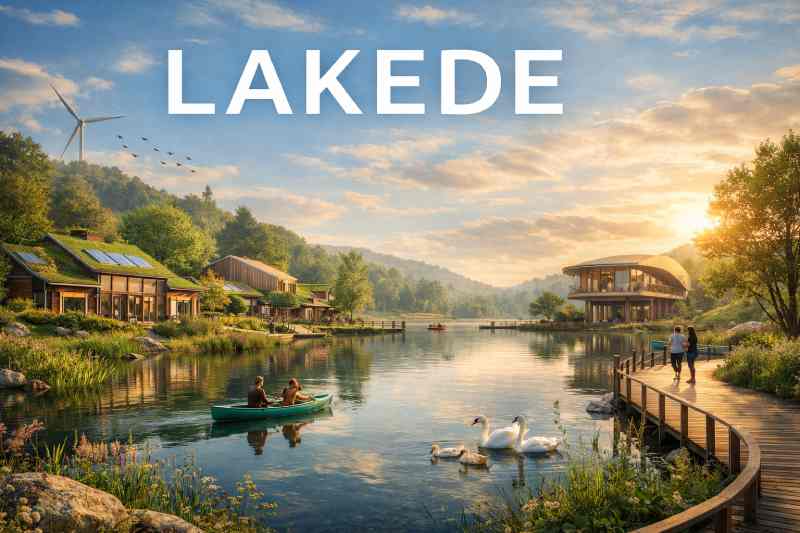
In recent years, conversations about sustainability have shifted from abstract environmental discussions to practical lifestyle solutions. One emerging concept attracting growing curiosity is Lakede, a modern vision centred on balancing human development with the natural beauty and ecological importance of lake environments. Rather than representing a person or traditional organisation, Lakede symbolises a forward-thinking approach to how communities can coexist harmoniously with nature.
Understanding the Concept Behind Lakede
The idea of Lakede revolves around integrating modern living spaces with lake ecosystems in a responsible and environmentally conscious way. Lakes have historically supported civilisations by providing water, biodiversity, and recreational opportunities. However, urban expansion and industrialisation have often placed these ecosystems under pressure.
Lakede proposes a different direction. Instead of building around lakes purely for commercial benefit, the concept encourages development that protects natural systems while enhancing human wellbeing.
At its core, Lakede promotes the belief that nature should not be treated as a backdrop to development but as an active partner in shaping communities.
Why Lake Environments Matter
Lakes are among the most sensitive ecological environments on Earth. They regulate climate, support wildlife habitats, and contribute to local economies through tourism and recreation. When poorly managed, lake regions can quickly suffer from pollution, biodiversity loss, and declining water quality.
The Lakede philosophy recognises that sustainable planning must begin with ecological understanding. By placing lake preservation at the centre of development strategies, communities can maintain environmental stability while still growing economically.
The Origins and Evolution of Lakede
Although the term Lakede is relatively new, the ideas behind it stem from decades of environmental research and sustainable urban planning. Across Europe, planners have long experimented with eco-villages, green cities, and nature-integrated architecture. Lakede builds upon these foundations but introduces a more focused approach centred specifically on lake ecosystems.
The emergence of this concept reflects changing global priorities. Modern societies increasingly value:
- Clean natural surroundings
- Healthier lifestyles connected to nature
- Reduced environmental footprints
- Renewable energy integration
Lakede combines these priorities into a unified vision that feels both practical and aspirational.
Influence of Modern Sustainability Movements
Environmental frameworks such as circular economies and regenerative design have strongly influenced Lakede thinking. Rather than simply reducing harm, the goal becomes improving ecosystems through responsible human interaction.
This shift represents a major transformation in how development is understood. Instead of asking how little damage construction can cause, Lakede asks how development can actively restore and enhance natural environments.
Core Principles of Lakede
To fully understand Lakede, it is essential to examine the principles guiding the concept. These principles shape how communities are planned, built, and maintained.
Ecological Preservation First
The primary rule within Lakede planning is that ecological health comes before expansion. This means assessing water quality, wildlife habitats, and natural vegetation before construction begins.
Developments aligned with Lakede values prioritise:
- Wetland protection
- Native plant restoration
- Controlled tourism practices
- Pollution prevention strategies
Such measures ensure lakes remain sustainable for future generations.
Sustainable Architecture and Design
Architecture plays a crucial role in bringing Lakede ideas to life. Buildings are designed to blend into landscapes rather than dominate them.
Common architectural features include:
- Energy-efficient materials
- Natural lighting optimisation
- Green roofs and vegetation walls
- Low-impact construction methods
The aim is to create homes and public spaces that complement nature aesthetically and environmentally.
Community Wellbeing
Lakede emphasises human wellbeing alongside ecological responsibility. Access to water, green spaces, and outdoor environments has been linked to improved mental health and physical activity.
Communities inspired by Lakede often include walking paths, shared gardens, and open recreational areas that encourage social interaction and healthy lifestyles.
Responsible Economic Development
Economic growth remains important, but it must occur sustainably. Tourism, local businesses, and recreation are encouraged in ways that respect environmental limits.
Rather than mass tourism, Lakede favours slower, experience-focused travel that supports local communities without overwhelming ecosystems.
Architectural Innovation Within Lakede Communities
One of the most fascinating aspects of Lakede is how architecture adapts to environmental needs. Designers working within this philosophy consider water flow, sunlight patterns, and seasonal climate variations.
Smart Environmental Integration
Buildings may incorporate rainwater harvesting systems, solar energy panels, and natural cooling techniques. These features reduce reliance on external energy sources while lowering environmental impact.
Harmonising with Landscape
Instead of clearing large areas of land, developments preserve natural terrain whenever possible. Structures are positioned to maintain views, protect wildlife corridors, and minimise disruption to existing ecosystems.
This approach creates environments where residents feel connected to nature rather than separated from it.
Environmental Benefits of the Lakede Approach
The environmental advantages of Lakede extend beyond individual communities.
Improved Water Quality
Careful waste management and sustainable drainage systems reduce contamination entering lakes. Cleaner water supports aquatic life and ensures long-term ecological stability.
Biodiversity Protection
By maintaining natural habitats, Lakede encourages wildlife populations to thrive. Birds, fish, and plant species benefit from preserved ecosystems.
Climate Resilience
Lake ecosystems help regulate local temperatures and absorb carbon emissions. Communities designed around Lakede principles are often better prepared for climate challenges such as flooding or heatwaves.
Social and Lifestyle Advantages
While environmental protection is central, Lakede also offers meaningful lifestyle improvements.
Connection with Nature
Residents experience daily interaction with natural surroundings, which can reduce stress and promote wellbeing.
Stronger Communities
Shared outdoor spaces foster collaboration and social engagement. People living in nature-integrated environments often report stronger community bonds.
Healthier Living Patterns
Access to walking routes, fresh air, and recreational water activities encourages active lifestyles.
Challenges Facing the Lakede Vision
Despite its promise, implementing Lakede ideas presents challenges.
Balancing Growth and Protection
Developers must carefully manage economic interests while maintaining environmental standards. Achieving this balance requires strong planning regulations and community participation.
Financial Investment
Sustainable construction can initially cost more than traditional methods. However, long-term savings through energy efficiency often offset these expenses.
Public Awareness
Because Lakede remains a relatively new concept, many people are unfamiliar with its principles. Education and awareness play a vital role in expanding acceptance.
The Future Potential of Lakede in the United Kingdom
The UK offers ideal conditions for Lakede-style development. With its rich network of lakes, reservoirs, and protected natural landscapes, Britain already values environmental conservation.
Local councils and planners increasingly explore eco-friendly housing models that align closely with Lakede ideas. As sustainability policies strengthen, lake-centred planning may become more common.
Alignment with Environmental Goals
National commitments to carbon reduction and biodiversity protection make concepts like Lakede particularly relevant. Sustainable lake communities could help meet environmental targets while supporting housing needs.
Tourism and Economic Opportunities
Eco-tourism continues to grow in popularity. Visitors increasingly seek authentic nature experiences rather than crowded destinations. Lakede-inspired locations could attract responsible tourism while protecting fragile environments.
How Lakede Reflects Changing Cultural Values
Modern society is rethinking its relationship with nature. Urban living has delivered convenience but often at environmental cost. Lakede reflects a broader cultural shift toward balance, mindfulness, and sustainability.
Younger generations especially prioritise environmental responsibility when choosing where and how to live. Concepts like Lakede resonate because they offer hope for a lifestyle that combines technological progress with ecological respect.
Practical Applications of Lakede Principles
Even outside large-scale developments, Lakede ideas can influence everyday decisions.
Individuals and communities can adopt practices such as:
- Protecting local water sources
- Supporting sustainable tourism
- Choosing eco-friendly building materials
- Preserving green spaces
These smaller actions contribute to the broader vision embodied by Lakede.
FAQs
What exactly is Lakede?
Lakede is a sustainability concept focused on developing communities around lakes while protecting natural ecosystems and promoting environmentally responsible living.
Is Lakede a person or organisation?
No, Lakede is not an individual or official organisation. It represents a planning and lifestyle philosophy centred on ecological balance.
Why are lake-centred communities important?
Lakes support biodiversity, regulate climate, and enhance human wellbeing, making them ideal foundations for sustainable development.
Can Lakede principles be applied outside lake regions?
Yes, the core ideas of ecological harmony and responsible development can influence planning in many environments.
Is Lakede already being implemented anywhere?
While the term itself is emerging, many eco-friendly developments worldwide already reflect similar principles.
Conclusion
Lakede represents more than a new environmental term; it symbolises a shift in how humanity approaches development and nature. By placing ecological preservation, sustainable architecture, and community wellbeing at the centre of planning, the concept offers a compelling blueprint for future living.
As environmental challenges intensify, ideas like Lakede provide practical optimism. They demonstrate that growth and conservation do not need to exist in opposition. Instead, thoughtful design and responsible choices can create thriving communities that respect both people and planet.