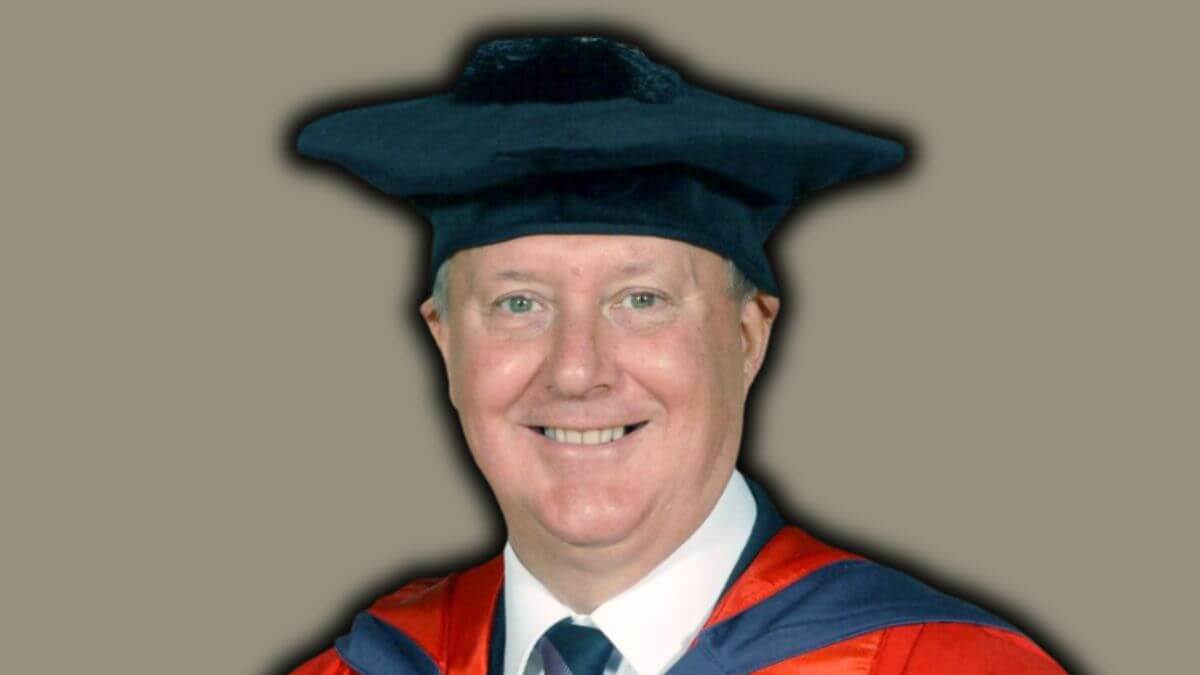
Kenneth Calman stands as one of the most influential figures in modern British public life, particularly in the fields of medicine, public health, higher education, and national policy. His career bridged clinical excellence, academic leadership, and public service at the highest levels. Through decades of work, he helped shape how healthcare is delivered, how universities are governed, and how evidence informs national decision-making in the United Kingdom.
Table of Contents
ToggleEarly Life and Background
Kenneth Calman was born in Glasgow, Scotland, and grew up in an environment that valued education, discipline, and community responsibility. From an early age, he demonstrated a strong academic inclination, combined with a curiosity about science and human wellbeing. His upbringing in post-war Scotland played a formative role in shaping his sense of public duty and social responsibility, values that would later define his professional life.
His early schooling laid the foundation for a lifelong commitment to learning. Teachers and mentors recognised not only his academic ability but also his reflective nature and capacity for leadership. These qualities would later emerge clearly in his work as a clinician, administrator, and public servant.
Medical Education and Training
Kenneth Calman pursued medical studies at the University of Glasgow, one of the United Kingdom’s most respected institutions. His education was marked by intellectual rigour and a deep interest in both the scientific and human dimensions of medicine. Alongside his medical degree, he undertook advanced research training, earning higher academic qualifications that reflected his commitment to evidence-based practice.
During this period, he developed a particular interest in cancer research and clinical oncology. His academic work combined laboratory research with patient-centred clinical practice, an approach that would later influence his thinking about healthcare systems as a whole.
Academic and Clinical Career
Calman’s academic career advanced rapidly. He became a leading figure in oncology and was appointed to senior academic posts at a relatively young age. As a professor, he was known for demanding high standards while remaining supportive of students and junior colleagues. His teaching style emphasised critical thinking, ethical responsibility, and compassion in clinical practice.
Beyond the lecture theatre, he maintained a strong clinical presence, working directly with patients and contributing to advances in cancer treatment and service organisation. This dual focus on research and real-world application became a hallmark of his professional identity.
Leadership in Public Health
One of the most significant phases of Kenneth Calman’s career was his service as Chief Medical Officer, first for Scotland and later for England. In these roles, he became the UK government’s principal medical adviser during a period of complex public health challenges.
He was widely respected for his calm, evidence-driven approach to policy advice. At times of national concern, his leadership style prioritised transparency, scientific integrity, and public reassurance. He believed strongly that public trust in health institutions depended on honesty and clarity, even when the issues were complex or controversial.
Shaping Modern Cancer Services
Among his most enduring contributions was his role in reforming cancer services across the United Kingdom. He chaired and contributed to major policy reviews that examined how cancer care was organised, accessed, and delivered. These efforts led to the development of more structured cancer networks, clearer referral pathways, and improved coordination between specialist centres and local services.
His work in this area helped to standardise care while also recognising the importance of local needs. Many principles introduced during this period continue to influence cancer services today.
University Leadership and Higher Education
After his period in central government, Kenneth Calman moved into senior university leadership. He served as Vice-Chancellor of a major UK university, where he oversaw significant institutional change. His tenure was marked by strategic planning, investment in academic excellence, and a strong emphasis on the social role of universities.
He believed that higher education institutions should not exist in isolation but should actively contribute to society through research, teaching, and civic engagement. Under his leadership, the university strengthened its national and international reputation while maintaining a commitment to access and public service.
Role as Chancellor and National Figure
Later in his career, Calman served as Chancellor of the University of Glasgow, returning to the institution where his academic journey had begun. This role was both symbolic and practical, reflecting a lifelong relationship with the university and its values.
As Chancellor, he acted as an ambassador for higher education and public service, engaging with students, alumni, policymakers, and international partners. His speeches often focused on ethics, responsibility, and the importance of informed leadership in a rapidly changing world.
Contribution to Public Policy and Governance
Beyond medicine and academia, Kenneth Calman played an influential role in broader public policy. He chaired important national commissions and advisory bodies, contributing to debates on governance, devolution, and the future of public institutions in Scotland and the wider UK.
His approach to policy was analytical yet inclusive. He believed that complex societal issues required careful listening, balanced evidence, and a willingness to engage with differing perspectives. This reputation for fairness and intellectual honesty made him a trusted figure across political and institutional boundaries.
Writing, Thought, and Intellectual Interests
In addition to his professional roles, Calman was an accomplished writer. He authored books and essays on medicine, ethics, leadership, and the human experience of illness. His writing was characterised by clarity, reflection, and an ability to bridge scientific and literary perspectives.
Later in life, he pursued formal studies in literature, demonstrating that his commitment to learning did not diminish with age or seniority. This intellectual curiosity added depth to his public work and reinforced his belief in the value of lifelong education.
Personal Values and Character
Those who worked with Kenneth Calman frequently described him as thoughtful, principled, and quietly authoritative. He was not known for flamboyance or self-promotion, but rather for steady leadership and moral clarity. He placed great importance on mentorship, often supporting younger professionals and encouraging them to pursue excellence with integrity.
His personal life remained largely private, yet it was clear that family, culture, and community played an important role in shaping his outlook. These values were reflected in his professional decisions and his long-term commitment to public service.
Recognition and Honours
Throughout his life, Calman received numerous honours in recognition of his contributions to medicine, education, and public policy. These honours reflected not only his achievements but also the respect he commanded across multiple sectors. However, he remained modest about such recognition, consistently emphasising teamwork and institutional effort over individual acclaim.
Influence on Future Generations
The impact of Kenneth Calman’s work extends well beyond his lifetime. Policies he helped design, institutions he led, and professionals he mentored continue to shape the UK’s medical and educational landscapes. His emphasis on evidence, ethics, and public responsibility remains highly relevant in contemporary debates about healthcare reform, university governance, and national policy.
Students, clinicians, and policymakers alike continue to draw lessons from his career, particularly his ability to integrate technical expertise with humane leadership.
Conclusion
Kenneth Calman’s life represents a rare combination of clinical excellence, academic distinction, and public service at the highest level. Through his work in medicine, public health, higher education, and national policy, he demonstrated how thoughtful leadership and ethical commitment can produce lasting, positive change. His legacy is not confined to any single institution or reform, but lives on in the values he championed: learning, service, integrity, and responsibility to the wider society.