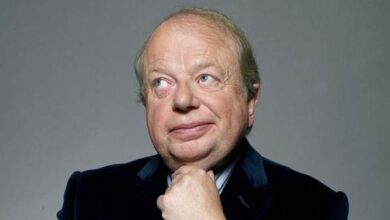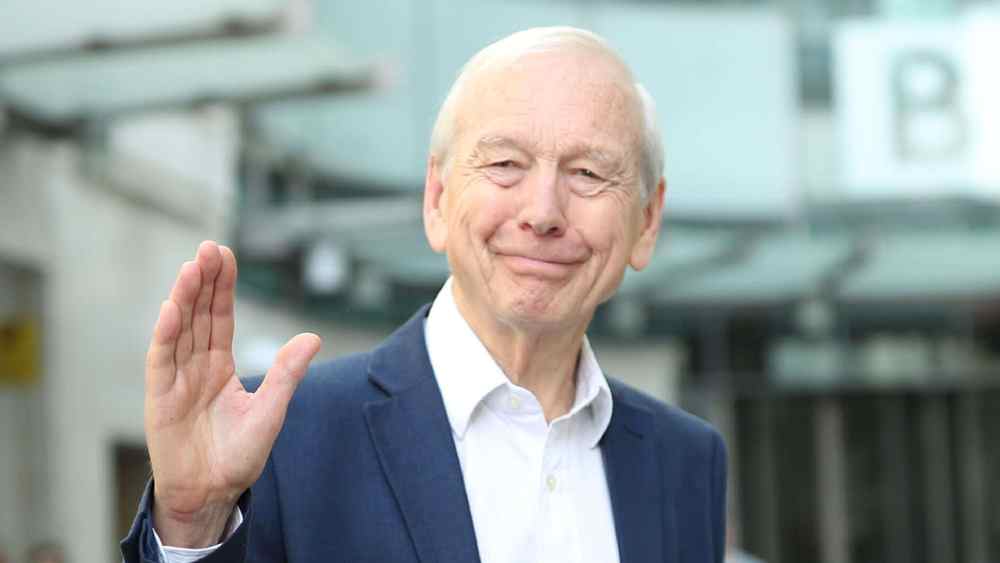
Few figures in modern British journalism have commanded as much respect, debate, and recognition as John Humphrys. Known for his uncompromising interviewing style and decades-long presence on national radio and television, he became a defining voice of public accountability in the United Kingdom. His career, rooted in hard work and shaped by an unrelenting pursuit of truth, offers a compelling story of how one man influenced the tone and standards of British media.
Early Life and Formative Years
A Humble Beginning in Cardiff
John Humphrys was born on 17 August 1943 in Cardiff, Wales, into a working-class family. His father worked as a dock labourer, and life was far from privileged. These early experiences played a crucial role in shaping his worldview, instilling a sense of resilience and realism that would later define his journalistic approach.
Unlike many prominent figures in British media, John Humphrys did not follow a traditional academic path. He left school at the age of 15, a decision that might have limited his prospects under ordinary circumstances. However, his determination and natural curiosity propelled him towards journalism, where practical experience mattered more than formal qualifications.
First Steps into Journalism
His entry into journalism came through local newspapers, where he began as a trainee reporter. These early years were vital in honing his skills—learning how to ask questions, verify facts, and tell stories that mattered. It was during this period that John Humphrys developed the sharp instincts that would later define his interviewing style.
Rise Through the Ranks
Transition to Broadcasting
After gaining experience in print journalism, John Humphrys moved into broadcasting, joining Television Wales and the West. This transition marked a turning point, as he began to develop a presence in front of the camera.
In 1966, he joined the BBC, beginning a relationship that would last for more than five decades. His early assignments included reporting on significant events, such as the tragic Aberfan disaster, which left a deep impression on him and reinforced his commitment to serious journalism.
Becoming a Recognisable Face
Throughout the 1970s and 1980s, John Humphrys steadily built his reputation. He worked as a foreign correspondent, covering major international developments, including political shifts in Africa and the United States. His reporting style was direct and factual, avoiding unnecessary embellishment.
He later became a presenter on flagship television bulletins, including the Nine O’Clock News. This role established him as a trusted voice in British households, known for delivering news with clarity and authority.
The “Today” Programme Era
Defining a Generation of Radio Journalism
The most iconic chapter in John Humphrys’ career began in 1987 when he joined the Today programme on BBC Radio 4. Over the next three decades, he became synonymous with the show, transforming it into one of the most influential news programmes in the country.
His approach was distinctive. John Humphrys did not simply ask questions—he pursued answers. Politicians, business leaders, and public figures often found themselves under intense scrutiny during his interviews. He was known for interrupting evasive responses and pressing for clarity, a style that some criticised but many admired.
A Style That Sparked Debate
The interviewing technique of John Humphrys was both praised and debated. Supporters argued that his persistence held powerful individuals accountable, ensuring that important issues were not brushed aside. Critics, however, occasionally described his style as confrontational.
Regardless of opinion, there is no doubt that John Humphrys raised the standard for political interviews in the UK. His presence on the Today programme made it essential listening for anyone interested in current affairs.
Mastermind and Cultural Influence
A Different Side of Broadcasting
In addition to his work in news, John Humphrys became the host of the long-running quiz show Mastermind in 2003. This role revealed a different aspect of his personality—calm, authoritative, and measured.
While his news interviews were intense, his presentation of Mastermind demonstrated his ability to adapt his style to suit different formats. He maintained the programme’s traditional seriousness while bringing his own distinctive tone to the role.
Expanding Public Recognition
Through Mastermind, John Humphrys reached audiences beyond those who followed political news. He became a familiar figure across generations, further cementing his status as a national institution.
Writing and Intellectual Contributions
Exploring Language and Society
Beyond broadcasting, John Humphrys has made significant contributions as an author. His books often explore themes such as the evolution of language, the role of media, and the nature of belief.
One of his most notable works, Lost for Words, examines changes in the English language and raises questions about clarity and communication. In this and other writings, John Humphrys demonstrates a deep concern for how language shapes thought and public discourse.
Engaging with Faith and Doubt
Another recurring theme in his work is religion. In books like In God We Doubt, John Humphrys explores questions of faith with curiosity and scepticism. His approach is neither dismissive nor dogmatic, reflecting a balanced and thoughtful perspective.
Life Beyond the BBC
Transition to New Roles
After retiring from the Today programme in 2019, John Humphrys did not step away from public life entirely. Instead, he continued to engage with audiences through other platforms, including radio and print journalism.
He joined Classic FM, where he presented programmes that showcased his versatility as a broadcaster. This transition demonstrated that John Humphrys remained relevant and adaptable even after leaving one of his most prominent roles.
Continuing Influence
Even outside the BBC, John Humphrys continues to influence public discourse. His opinions, expressed through columns and broadcasts, still carry weight, reflecting the trust he has built over decades.
Personal Life and Character
A Private Yet Reflective Individual
Despite his public profile, John Humphrys has maintained a relatively private personal life. He has spoken about his upbringing and experiences with honesty, often reflecting on how they shaped his values.
He is known for enjoying a quieter lifestyle away from the spotlight, including interests such as gardening. This contrast between his intense professional persona and his personal simplicity adds depth to his character.
Values and Beliefs
John Humphrys has often expressed scepticism towards organised religion while remaining open to discussion. His willingness to engage with complex topics reflects a broader commitment to understanding rather than simply asserting opinions.
Awards and Recognition
Acknowledging Excellence
Throughout his career, John Humphrys has received numerous awards recognising his contributions to journalism. These accolades highlight not only his skill but also his impact on the industry.
His recognition as Journalist of the Year and other honours reflect the high regard in which he is held by both peers and audiences. John Humphrys is widely considered one of the most influential broadcasters in British history.
Legacy in British Journalism
Raising Standards of Accountability
Perhaps the most significant contribution of John Humphrys is the standard he set for political interviews. By refusing to accept vague or evasive answers, he encouraged greater transparency in public life.
His work demonstrated that journalism is not merely about reporting events but also about questioning authority. This legacy continues to influence broadcasters and journalists today.
Inspiring Future Generations
The career of John Humphrys serves as an inspiration for aspiring journalists. His journey—from leaving school at 15 to becoming a national figure—illustrates the power of determination and integrity.
Many modern broadcasters cite his work as a benchmark, particularly in the art of interviewing. His influence extends far beyond his own programmes.
FAQs
What is John Humphrys best known for?
He is best known for his role as a presenter on the Today programme on BBC Radio 4, where he conducted high-profile interviews with politicians and public figures.
When did John Humphrys retire from the Today programme?
He retired in 2019 after more than 30 years on the programme.
Did John Humphrys write any books?
Yes, he has written several books, including Lost for Words and In God We Doubt, covering language, media, and religion.
What made John Humphrys’ interviewing style unique?
His style was characterised by persistence, direct questioning, and a refusal to accept unclear answers, making interviews both rigorous and impactful.
Has John Humphrys worked outside the BBC?
Yes, after leaving the BBC, he continued broadcasting on Classic FM and contributed as a columnist.
Conclusion
John Humphrys remains a towering figure in British journalism, known for his unwavering commitment to truth and accountability. From his early days in Cardiff to his decades-long career at the BBC, he has shaped the way news is presented and consumed in the United Kingdom. His legacy lies not only in his achievements but also in the standards he set—standards that continue to guide and challenge journalists today.